Building a new rig in South Africa is a serious investment. When you are dropping thousands of ZAR on premium parts, you want every feature to count. But motherboard spec sheets can look like absolute alphabet soup. You might see terms like Gen 3x2 and SuperSpeed thrown around. If you are confused by the ports on the back of your rig, you are not alone. Let us get USB4 vs USB Type-C Explained for PC Builders Choosing a Feature-Rich Motherboard.
Decoding the Ports: Shape vs Speed ⚡
The biggest misconception is treating these two terms as rivals. They actually work perfectly together. USB Type-C simply describes the physical shape of the connector. It is that reversible oval port we all know and love.
USB4 is the actual technology pumping data through that cable. When you browse the latest motherboards, you will notice that all USB4 ports use the Type-C shape.
However, not all Type-C ports offer USB4 speeds. Some older ports only push 5Gbps. It is a crucial distinction to make before you buy. You always want to check the actual protocol behind the port. A standard Type-C port might only handle basic data. A USB4 Type-C port handles power delivery, display outputs, and massive data streams simultaneously.
Why USB4 is Essential for High-End Rigs
So why should you care about this new standard? USB4 pushes a massive 40Gbps of bandwidth. That means lightning-fast external SSD transfers. It also gives you the ability to drive high-resolution monitors straight from your board.
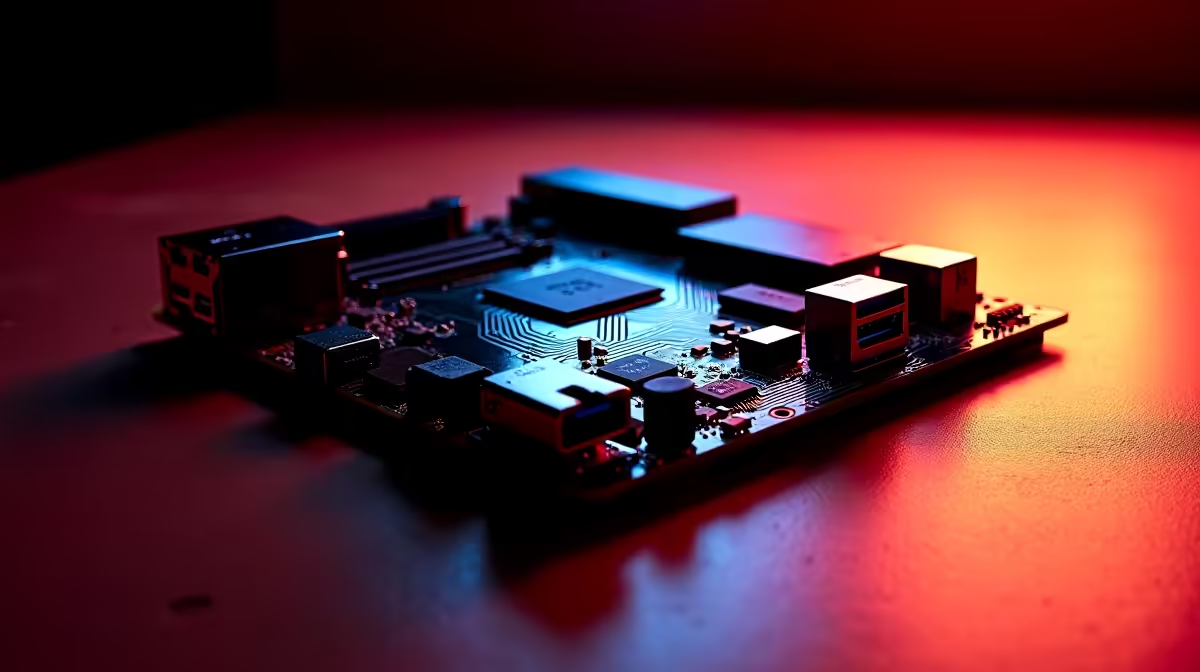
If you are leaning towards Team Blue, checking the I/O panel is vital. Opting for premium ASUS Intel motherboards ensures you get these top-tier connectivity options.
Ryzen fans are not left out either. The latest ASUS AMD motherboards fully support these next-gen standards. This massive bandwidth is perfect for local content creators. Moving heavy 4K video files takes seconds instead of minutes. Gamers who refuse to wait for loading bars will also love the instant response.
Cable Quality Matters 🔧
Just because your motherboard has a USB4 port does not mean you automatically get 40Gbps. You need a certified USB4 cable to unlock those top speeds. Cheaper generic cables will bottleneck your shiny new hardware instantly. Always check the packaging for the official 40Gbps logo before buying.
Balancing Your System for Peak Performance 🚀
Fast ports need fast components to feed them. There is no point having blazing external transfer rates if your internal hardware lags behind. You need a balanced system to truly optimise your workflow.
Pairing a high-end board with blazing-fast desktop memory kits is a smart move. It ensures your CPU can process all that incoming data without breaking a sweat. High-speed RAM keeps your frame rates stable and your renders quick.
If building from scratch sounds like too much admin, we have you covered. You can always grab one of our expertly assembled best gaming PC deals. Our tech team ensures the motherboard, RAM, and storage all play perfectly together out of the box.
Future-Proofing Your Setup ✨
Investing in modern connectivity today saves you money tomorrow. As more peripherals adopt the 40Gbps standard, your rig will be ready. You will not need to buy expensive expansion cards down the line. External graphics docks and ultra-fast capture cards are becoming more common. Having the right ports means you can upgrade your setup effortlessly.
Whether you are a hardcore gamer or a creative professional, the right motherboard sets the tone. Understanding the tech jargon helps you make an informed decision. Do not settle for slow transfer speeds when building your ultimate desktop.
Ready to Build Your Dream Rig?
Now that you understand the difference between port shapes and speeds, it is time to pick the perfect foundation for your PC. Explore our massive range of custom-built PCs and start building a future-proof machine today.