Quick Answer
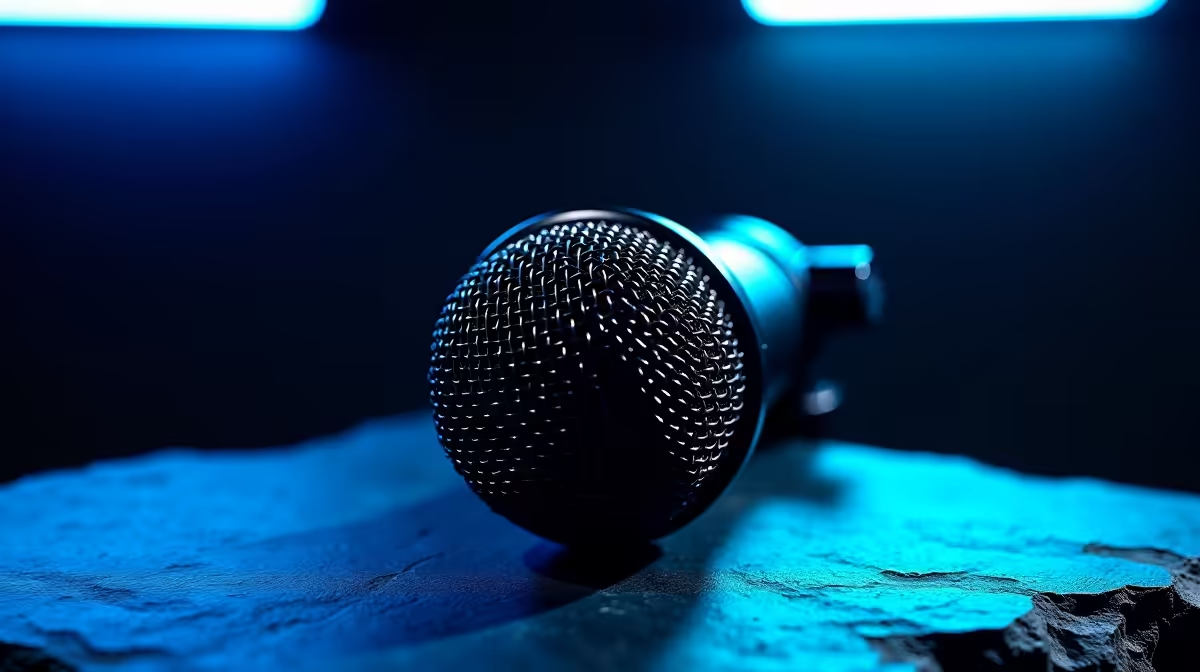
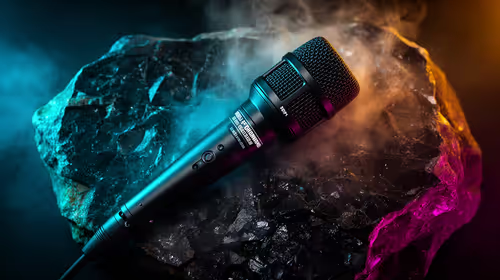
Bryanston gamers and content creators buy studio microphones from Evetech with Northern Suburbs delivery in 1–2 business days. USB condenser microphones for streaming and podcasting start around R1,200; XLR cardioid mics for semi-professional recording run R2,000–R5,000.
USB Condenser vs. XLR: Which Setup Suits You
USB microphones deliver plug-and-play simplicity — connect to your PC, open OBS or Audacity, and record. No audio interface required. At R1,200–R2,000, USB condensers provide clean 48kHz/16-bit voice capture suitable for Twitch streaming, YouTube content, and podcast recordings. XLR microphones need an audio interface (R900–R2,500 entry range), but deliver a lower noise floor, more headroom before clipping, and an upgradeable signal chain. For Bryanston home studios where audio quality is a priority — voice-over work, music, professional content — XLR is the right path once you've outgrown USB quality.
Key Specs for a Gaming and Streaming Mic
Polar pattern: cardioid rejects sound from behind and the sides — critical for a gaming setup with mechanical keyboards, fans, or background noise in a Bryanston home. Frequency response: 80Hz–20kHz covers the full vocal range; flat response across this range is preferable to boosted high-end (which makes sibilance harsher). Self-noise: below 20 dBA equivalent is a clean mic for voice; below 15 dBA is studio-grade. Bit depth: 24-bit at 48kHz is the streaming standard.
Accessories That Improve Any Mic Setup
Boom arm (R350–R700): positions the mic at mouth level, removes desk vibration, and declutters the gaming setup. Pop filter (R100–R200): eliminates plosive sounds on p and b. Acoustic foam (R400–R800): reduces room echo in hard-surfaced Bryanston home offices — a bigger improvement than upgrading the mic itself in an untreated room.
FAQ
What microphone should a Bryanston streamer buy for under R2,000?
A USB cardioid condenser at R1,200–R1,800 is the practical buy at that budget. It provides streaming-quality voice capture, built-in gain control, and headphone monitoring. Look for 24-bit/48kHz spec and a directional cardioid pickup pattern to minimise background noise pickup in a gaming room.
Is a gaming headset mic good enough for content creation?
For voice chat and in-game comms, yes. For content that audiences will judge — YouTube, podcasts, Twitch streams — a standalone mic is a clear audible step up. Headset mics have noticeably narrower frequency response and more compression than a dedicated condenser, which shows in recordings.
Do I need acoustic treatment to make a USB mic sound professional?
For streaming, a cardioid USB mic with good mic technique (15–20 cm distance, slightly off-axis) and a noise gate in OBS handles most room issues without acoustic panels. For podcast or music recording where the recording will be edited and published, basic wall foam panels (R400–R800 per set) make a meaningful difference.
Recording Tip
Position the mic 15–20 cm from your mouth, slightly below lip level pointing upward — this reduces breath noise and plosives while keeping the voice in the sweet spot of the cardioid pickup pattern.