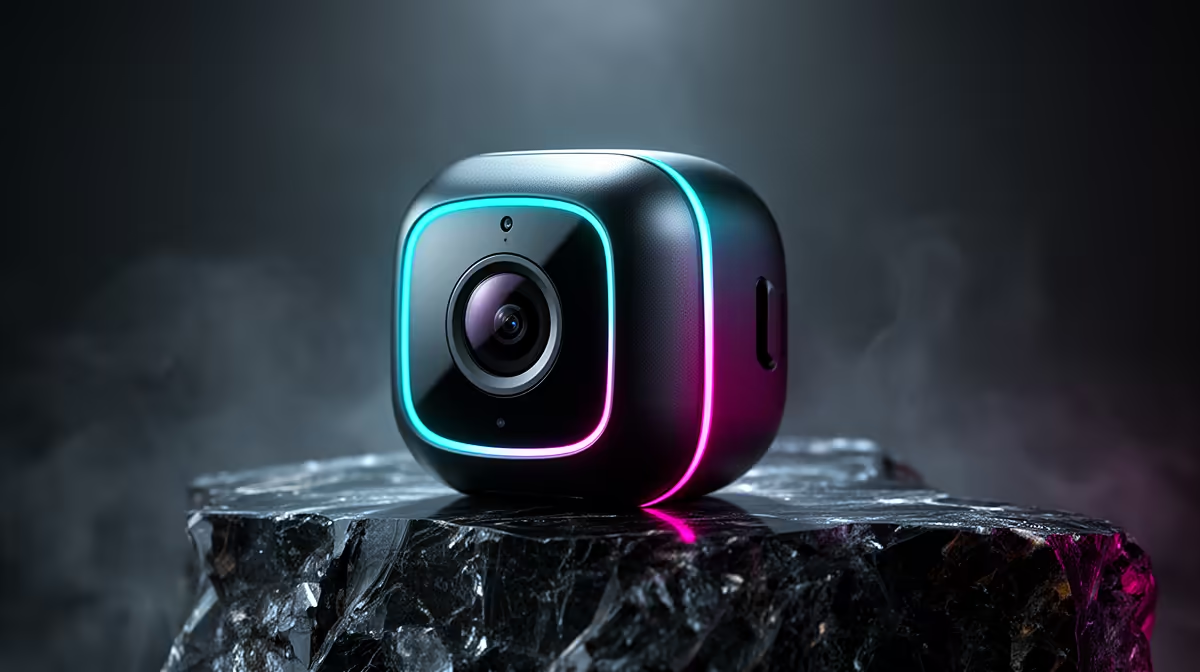
A wireless security camera is appropriate for a postgraduate researcher only when it serves authorised site security or an ethically approved research method. Easy installation does not remove privacy, consent, retention or network-security responsibilities.
Define purpose, field of view and custodian
Map the exact area, what could be captured and who can access footage. Decide how long data remains, how incidents are exported and when deletion occurs. If people may become research participants, secure institutional and site approval before installation.
The TP-Link Tapo C212 indoor Wi-Fi camera is confirmed at R451. This is a consumer-camera reference, not proof of suitability for institutional research, outdoor use or a complete security plan. Check the current listing for resolution, power, storage methods, app support, account controls, update policy, field of view and warranty.
Use unique credentials and multi-factor authentication where supported. Avoid private spaces, display notices where required and restrict exports. Keep approved research data in institution-controlled storage rather than depending on a camera account. Test an alert, authorised view and deletion process.
Buy only after governance and network coverage are documented. A narrower non-camera control may reduce privacy risk when the actual need is access logging or equipment inventory.
Review placement and access again whenever the research activity, room layout or participant population changes.
Planning authorised monitoring? > Compare Evetech cameras after confirming ethics, privacy and retention responsibilities.