A phone that slides across a dashboard or skitters off a desk is not a minor annoyance. It is a distraction in a car and a dropped-phone risk on a desk. Anti-slip phone mounts engineered for both surfaces solve this with grip materials that hold regardless of where you position them. This guide picks the most effective dual-purpose options and explains what actually separates reliable grip from marketing claims.
Quick Answer
The most effective anti-slip mounts combine a rubberised base pad with micro-suction or gel adhesion. Top dual-purpose (dash plus desk) picks land in the R120 to R350 range. Silicone-base dashboard pads with gel underside grip outperform sticky-mat alternatives for holding a mounted phone across both car and desk surfaces.
🛡️ What Actually Makes a Mount Anti-Slip: Material and Surface Science
Grip on a phone mount comes from one of three mechanisms: mechanical adhesion (suction), surface friction (silicone and rubber texturing), or a combination via micro-suction materials (a honeycomb of tiny sealed cells that conform to the surface and create distributed suction without a single pressure point).
Silicone pads work on porous and semi-porous surfaces like fabric dashboards and textured desks but are less effective on ultra-smooth glass or polished resin. Gel micro-suction pads perform well on glass, smooth plastic, and painted dashboards, which cover the majority of South African vehicle interiors. For desks, the same gel pad principle works on wood, glass, and laminate.
What does not work: basic sticky foam pads. These start sticky and degrade within weeks of heat exposure, which is a real problem in a SA car that hits 55 to 65 degrees Celsius inside on a summer day. Dashboard-grade gel materials are formulated to handle this temperature range and restore grip when wiped clean with a damp cloth.
🖥️ Dual-Purpose Picks: Mounts That Earn Their Place on Both Surfaces
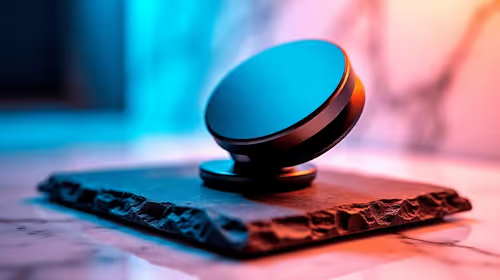
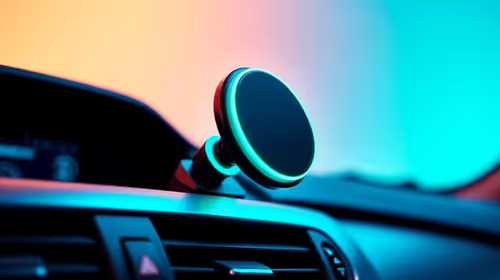
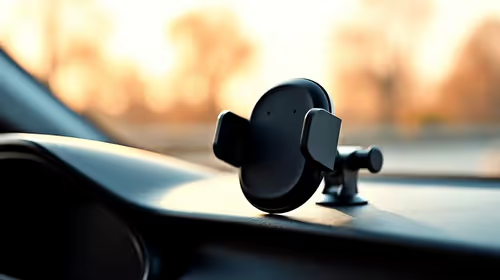
The most useful anti-slip picks for buyers who need one product for both car and desk have a removable and repositionable base. Some mounts combine a dashboard suction cup with a detachable base plate that can stand independently on a desk. This design gives you a vent clip or suction dash option in the car and a freestanding desk holder at the office.
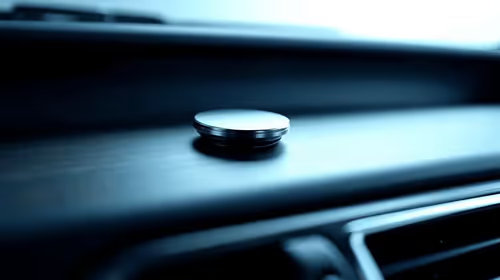
Dashboard pad mounts with a large silicone or gel base are the simplest dual-purpose option. In the car, the base grips the dashboard without any permanent fixing. At the desk, the same pad grips the desk surface without marking it. The phone holder arm above the pad rotates or telescopes depending on the model.
Look for a base pad of at least 90 mm diameter for dashboard use. Smaller pads reduce contact area and are more prone to sliding during sharp cornering. On the desk, a wider base also improves stability by lowering the centre of gravity relative to the held phone.
🌡️ SA-Specific Durability: Heat, UV, and Prolonged Surface Contact
SA sun creates conditions that degrade inferior grip materials faster than temperate-climate reviews suggest. The inside surface temperature of a parked car under direct summer sun in Cape Town or Joburg can exceed 60 degrees Celsius on the dashboard. At these temperatures, basic foam adhesives separate, cheap suction cups release, and low-grade silicone can leave a sticky residue on the dash.
Premium silicone and gel micro-suction materials maintain their grip through repeated heat cycles. The grip may feel slightly reduced when very hot, but restores fully as the interior cools. UV exposure over months can cause low-quality silicone to yellow and harden, reducing its surface conformity and grip. Mounts with UV-stabilised silicone compounds are specified as such by the manufacturer.
For desk use, the heat concern is less acute but still relevant if your desk is near a south-facing window that receives direct afternoon sun. A gel base left in direct sunlight for extended periods will soften. Repositioning it to a shaded desk area when not in use keeps the material in optimal condition.
Frequently Asked Questions
How do I restore a dashboard gel pad that has lost its grip?
Rinse the gel pad under lukewarm water, remove any dust or oils with mild soap, rinse clean, and allow to air-dry completely. Do not wipe with a cloth while wet, as fibres transfer to the gel surface and reduce contact area. A clean dry pad restores to near-original grip performance.
Will an anti-slip dashboard pad leave marks or residue on my car's dashboard?
Quality gel and silicone pads that are labelled residue-free are designed for repeated repositioning without marking. Avoid leaving a gel pad in direct sun on the dash for extended periods, as prolonged heat can soften the gel enough to bond slightly with textured plastic. Moving the mount when the car is parked prevents this.
What is the difference between a suction cup mount and a gel micro-suction mount?
A suction cup creates a single sealed vacuum cavity. A gel micro-suction mount creates thousands of tiny contact cells that conform individually to the surface texture. Micro-suction pads work on a wider range of surfaces, are repositionable without pre-wetting, and do not leave the circular residue mark that a suction cup can leave on a polished dash.
Can I use the same anti-slip mount on a glass desk and a fabric-covered desk?
Gel micro-suction pads work on both glass and smooth fabric. Heavily textured woven fabrics reduce contact area and may not provide sufficient grip. Silicone pads generally perform better on fabric than gel pads do. If your desk has a fabric surface, look for a mount specifically rated for soft surfaces.
How heavy a phone can an anti-slip dashboard pad holder support?
Most dashboard pad mounts are rated for up to 300 g, which covers the majority of current flagship phones. Heavier phones or phones in thick rugged cases approach this limit. Check the mount's stated weight rating and compare it against your device's total weight including the case before purchasing.
Looking for a phone mount that grips reliably in your car and at your desk?
Explore Evetech's range of phone mounts and accessories to find anti-slip options built for SA conditions.