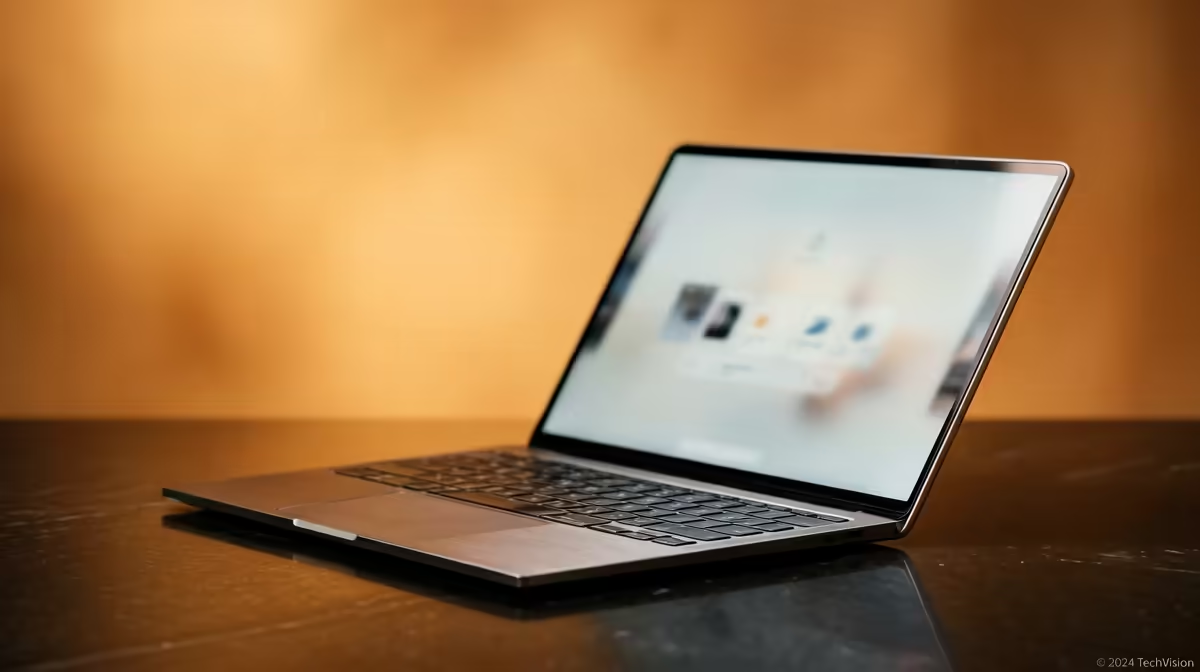
Stuck choosing a new laptop in South Africa? With a screen that doesn’t make you squint. Finding that perfect balance between portability and a decent view is a real mission. So, what is the best screen size for lightweight laptops? It’s the key question that determines whether your new machine is a joy to use or a pain in the neck.
Why Screen Size is Crucial for Portability
Before we dive into the numbers, let's get one thing straight: screen size directly impacts a laptop's overall footprint and weight. A bigger screen needs a bigger chassis, which usually means more weight. Simple, right?
However, modern tech has blurred the lines. Thanks to ultra-thin bezels (the borders around the screen), today's 14-inch laptop can be as compact as an older 13-inch model. This means you can get more screen without the extra bulk, which is fantastic news for anyone on the move.
The Main Contenders for Your Next Laptop
When you're hunting for a portable machine, your choice will likely come down to three main sizes. Each has its pros and cons, especially for the South African user who values mobility.
The Ultra-Portable Champ: 13-inch Laptops
For maximum portability, nothing beats a 13-inch laptop. These are the featherweights of the laptop world. 🕊️
- Who it's for: Students, frequent flyers, and anyone who carries their laptop everywhere. They slip into any backpack or tote bag with ease.
- The Trade-off: The smaller screen can feel a bit cramped for serious multitasking. Juggling multiple windows or working on complex spreadsheets can be a challenge. While great for writing and browsing, intense gaming or design work might feel restrictive.
The Sweet Spot: 14-inch Laptops
This is where the magic happens for most people. A 14-inch screen is widely considered the best screen size for lightweight laptops because it nails the balance between usability and portability. It's big enough for comfortable all-day work but still compact enough to not be a burden. Many premium Intel-powered ultrabooks land in this category, offering incredible performance in a sleek package.
The Classic All-Rounder: 15.6-inch Laptops
The 15.6-inch laptop has been the standard for years. It offers ample screen real estate, making it great for everything from gaming to video editing. You also tend to get more powerful hardware and better cooling in this form factor.
- The Catch: They are noticeably bigger and heavier. While many modern 15-inch laptops are surprisingly trim, they still can't compete with their smaller siblings on pure portability. They are a better fit for a "desktop replacement" that you only move occasionally.
Display Scaling Pro Tip ⚡
Found the perfect small laptop but the text looks tiny? Don't stress! In Windows, go to Settings > System > Display. Under "Scale & layout," you can increase the size of text, apps, and other items. Setting it to 125% or 150% on a high-resolution 13 or 14-inch screen makes everything perfectly readable without sacrificing sharpness.
Beyond Inches: What Else to Look For
The ideal screen size for a portable laptop isn't just about the diagonal measurement. To truly optimise your experience, consider these factors:
- Resolution: Full HD (1920x1080) is the absolute minimum. For 14-inch screens and up, a QHD (2560x1440) display offers a significant jump in sharpness and clarity.
- Aspect Ratio: Look for a 16:10 or 3:2 aspect ratio. These taller screens show you more of a webpage or document at once, meaning less scrolling and more doing. It's a small change that makes a huge difference for productivity.
- Brightness & Colour: A bright screen (300 nits or more) is essential for working near a window or outdoors. For accurate colours, look for panels with close to 100% sRGB coverage.
Finding Your Perfect Match in South Africa
Ultimately, the best lightweight laptop screen size depends entirely on you. If you live out of a backpack, a 13-inch is your best friend. If you need a powerful machine for work and play that can still travel, the 14-inch is your champion. From powerful and portable AMD Ryzen laptops to sleek ultrabooks, the right fit is waiting. ✨
Think about your daily routine. How often will you carry it? What will you be doing on it? Answering those questions will point you directly to the perfect screen size for your needs.
Ready to Find Your Perfect Portable Powerhouse? Choosing the best screen size is about balancing your need for portability with a great viewing experience. Whether you're leaning towards a compact 13-inch or a versatile 14-inch, we've got the machine for you. Explore our massive range of laptop specials and find the perfect blend of size and power.