Tired of being the last one to load into the lobby? While your mates are already dropping into the hot zone, you’re stuck staring at a loading screen. In today's fast-paced games, every second counts, and a slow drive is a bottleneck you can't afford. Proper SSD optimization for gaming isn't just a "nice-to-have"; it's your ticket to faster load times, smoother gameplay, and a serious competitive edge. Let's get your rig sorted.
The Need for Speed: Why SSD Optimization is Crucial
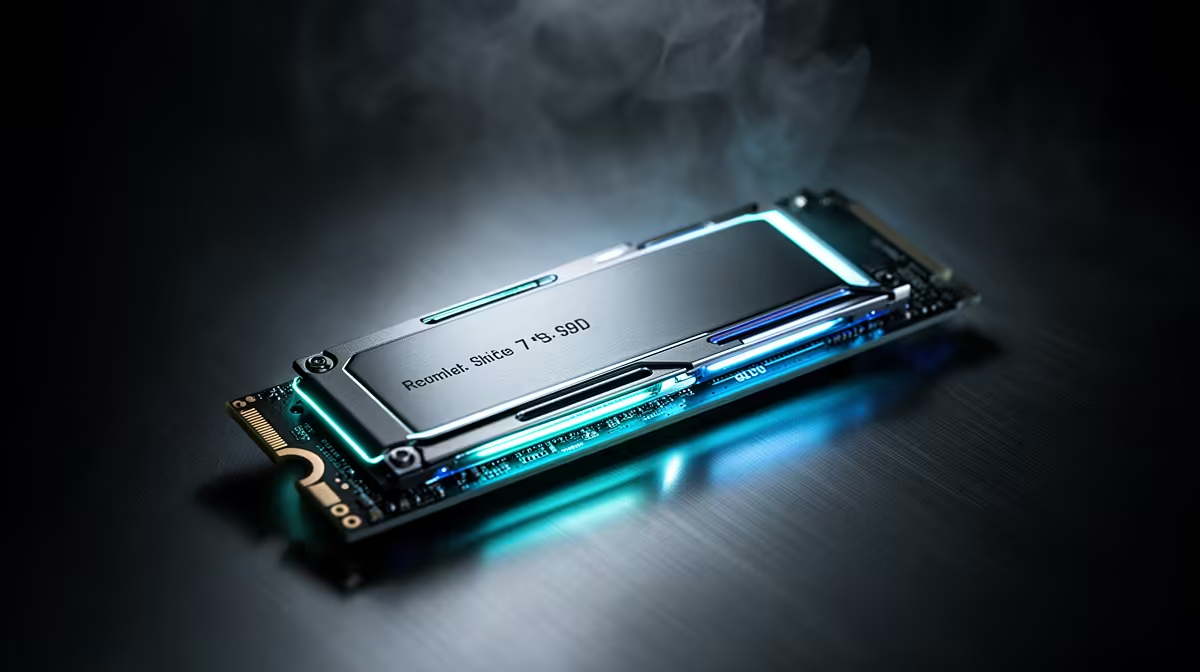
Let's be honest, the jump from a traditional Hard Disk Drive (HDD) to a Solid State Drive is massive. Remember waiting ages for a map to load in GTA V? With an SSD, that wait is slashed to mere seconds. But just plugging one in isn't the end of the story. To maintain that lightning-fast performance, a bit of maintenance is key. Optimizing your SSD for gaming ensures that it continues to deliver the rapid data access needed for seamless texture streaming and near-instant level loads, keeping you in the action without frustrating stutters. This is true across all types of Solid State Drives (SSDs), from basic SATA to top-tier NVMe.
Your Step-by-Step Guide to Peak SSD Performance 🔧
Getting the best out of your drive doesn't require a degree in computer science. These simple steps will ensure your SSD is running at its best, giving you the performance you paid for.
Keep Your Firmware Updated
SSD manufacturers regularly release firmware updates. These aren't just for show; they often contain crucial performance improvements, bug fixes, and stability enhancements. Most brands, like Samsung or Crucial, have dedicated software that makes checking for and applying updates a simple one-click process. It’s one of the easiest wins for long-term SSD optimization for gaming.
Enable TRIM (and Don't Defrag!)
What is TRIM? Think of it as a background cleanup crew for your SSD. It tells the drive which data blocks are no longer in use and can be wiped, ensuring write speeds stay high over time. Windows 10 and 11 enable it by default, so you're likely already covered.
Crucially, never defragment an SSD. Defragging is an old HDD process that physically rearranges data. On an SSD, it’s not only useless but also causes unnecessary wear and tear, reducing the drive's lifespan.
Pro Gamer Tip: Smart Storage Management
't fill your primary SSD with everything! Install your OS and your most-played games on your fastest drive. Move your media files, documents, and less-played games to a larger, secondary HDD or even one of the speedy new [portable external SSDs](https: www.evetech.co.za PC-Components buy-external-ssd-199).
Don't Fill It to the Brim
SSDs perform best when they have some free space to work with. When a drive gets close to full, its performance can drop noticeably. As a rule of thumb, try to keep at least 10-20% of your drive's capacity free. This "breathing room," known as over-provisioning, allows the drive's controller to manage data more efficiently. If you're constantly running out of space, it might be time to upgrade to one of the larger, modern NVMe SSDs that offer incredible speeds and capacities.
Final Checks for a Faster Gaming Experience 🚀
Once you've covered the basics, you're 99% of the way there. Your gaming SSD performance should be snappy and responsive. The difference between a well-maintained SSD and a neglected one is noticeable, especially during intense gaming sessions where the drive is constantly being accessed. By following these simple steps, you ensure your investment continues to pay off with faster load times and a smoother overall experience. And if you're looking to make that initial leap or upgrade, it's always a good idea to check out the latest SSD deals to get the best bang for your buck.
Ready to Obliterate Load Times? A perfectly optimised SSD is the heart of a responsive gaming rig. Explore our massive range of high-performance SSDs and give your PC the speed it deserves. Shop all SSDs now at Evetech for performance that leaves lag in the dust.