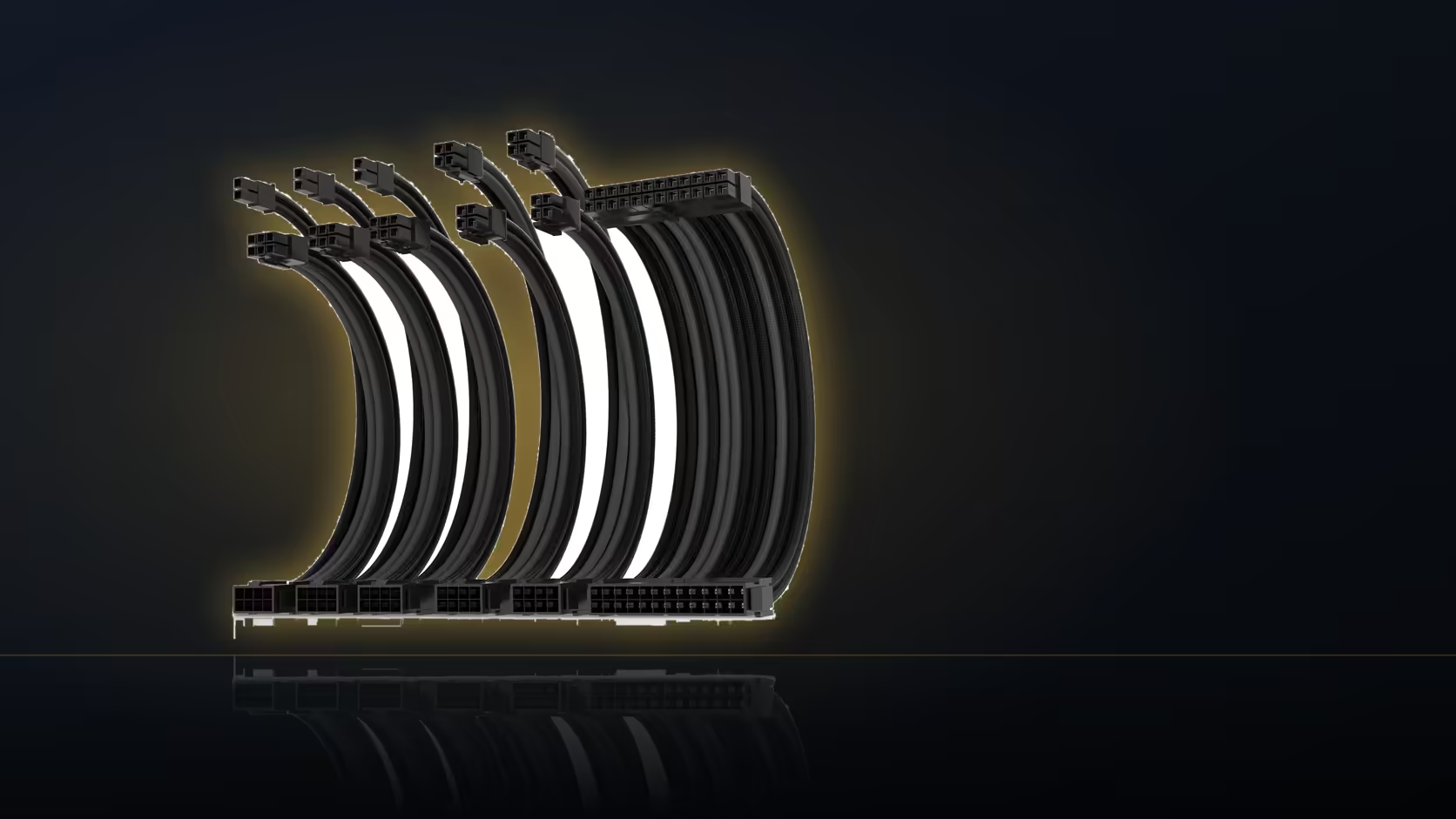
Three extra leads over the four-piece kit sounds like a straightforward upgrade, but only one of them is doing the real work most of the time. Understanding which of the six-piece kit's extra pieces actually earns its keep changes how you should think about the R250 premium.
Quick Answer
Two processor extensions are the real point of the six-piece kit. The third card lead only matters on a multi-socket card. That second CPU run is what a dual-input board needs, and without one of those conditions the extra leads are cost.
⚡ The second processor lead is the headline feature
A board carrying two processor power inputs has a visible run that no four-piece kit can dress under any circumstances - its single EPS extension simply cannot cover a second socket. That gap is the strongest single argument for stepping up to the six-piece kit, since it is a hard limitation of the smaller set rather than a matter of preference. If your board presents two power sockets on the processor side, this one piece alone can justify the extra spend regardless of anything else in the box.
🎮 The third card lead is a narrower case
A third PCIe extension only matters on a graphics card drawing through three separate eight-pin sockets, a configuration that is considerably less common than a dual-socket processor input. On the great majority of builds, that third card piece stays boxed indefinitely while both processor leads get put to genuine use - it is present in the kit, but it is not the piece doing the persuading in most purchase decisions.
🔧 Buying just the piece you need
If everything else in a build is already dressed and only a second processor run remains uncovered, buying a single EPS extension on its own is an entirely legitimate route rather than committing to a full six-piece kit. That approach puts the spend exactly where the actual gap sits, without paying for card leads or a conductor upgrade the rest of the build does not need. Both processor extensions run the standard 30cm length, matching every other piece in the family, and that length is added on top of the factory lead already present rather than replacing it outright.
👁️ Visibility and connector flexibility
Whether the second processor run is even visible depends heavily on the cooler and case layout - some tower coolers and case roof designs keep one run largely out of sight above the board edge, which is worth checking before assuming both leads need the full sleeved treatment. The two EPS extensions are also entirely independent cables with no shared harness, so dressing one while leaving the other for later has no bearing on how the first performs. And regardless of whether a board's second socket is a full eight-pin or a smaller four-pin connector, the supplied 4+4 lead handles either shape without needing a different piece. The rest of this category sits at cable solutions; a single extension purchase that later grows into something bespoke should compare against individually sleeved premium cables.
Frequently Asked Questions
Which of the extra leads matters most?
The second processor lead. A board with two power inputs has a visible run that no four-piece kit can dress, and that gap is the whole argument.
Does the third card lead carry the same weight?
Only on a card with three sockets, which is far less common. On most builds that piece stays boxed while both processor leads get used.
Can I buy a single EPS extension instead?
That is a legitimate route if everything else is already dressed, and it puts the money exactly where the uncovered run is.
Is the second run always visible?
Not always. Depending on the cooler and the case roof, one processor run can sit largely out of sight above the board edge.
How long is each processor extension?
Thirty centimetres, matching every other piece in the kit. That length is added to the factory lead rather than replacing it.
Do both EPS leads have to be used together?
No. They are separate cables, so dressing one and leaving the other has no bearing on how the first behaves.
What if my board has a four-pin second socket?
The 4+4 lead splits, so it serves a four-pin input as readily as a full eight-pin one.
Working out whether the second processor lead is worth it?
Browse Evetech's power supply range and confirm your board's exact power input count first.