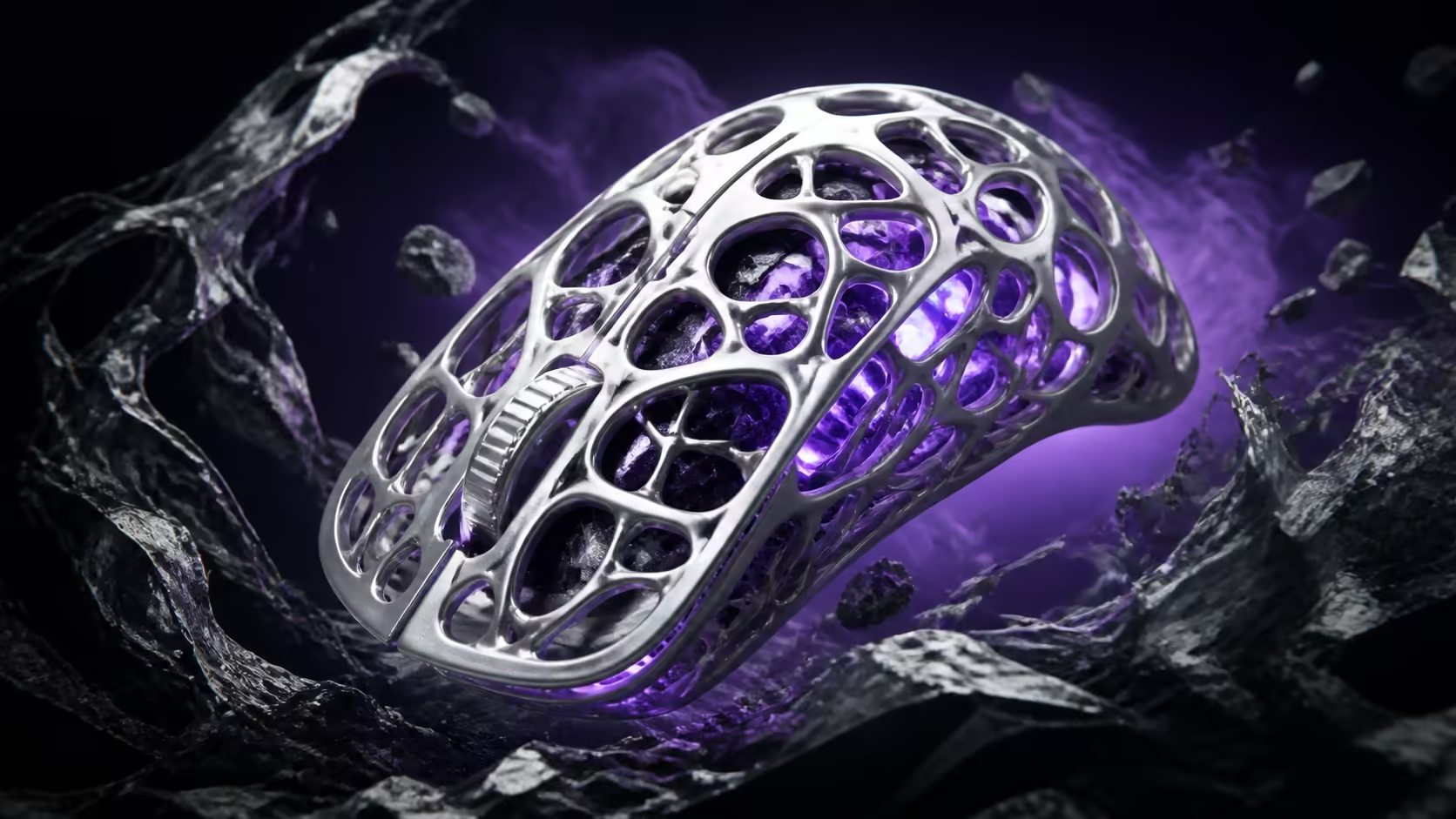
Honeycomb openings are one route to low weight, not a requirement. A 56g magnesium gaming mouse can stay enclosed because material choice, wall geometry and internal support share the structural work. The R2,399 Wireless MG uses this approach, combining a solid shell with 8,000Hz reporting and wireless hardware.
Quick Answer
Yes, magnesium alloy can support a light, firm-feeling shell without honeycomb cutouts. Strength still depends on geometry, seams and assembly, so 56g alone is not proof. The enclosed Wireless MG costs R2,399 and adds tri-mode connectivity plus a 33,000 DPI sensor.
🧱 See where rigidity comes from
Shell material works with ribs, curves, fasteners and internal framing. Magnesium can allow thin structural surfaces, but pressure should remain controlled at normal grip points. Squeezing far beyond normal use is not a meaningful test.
Inspect the joins around the buttons and base as well as the broad side panels. A rigid centre does not excuse loose seams, and consistent click travel matters during rapid repeated input.
Compare complete designs through Evetech's gaming mouse shelf. Listen for creaks and check whether side pressure changes the clicks during a relaxed hold.
🧼 Value the enclosed surface
A solid exterior provides continuous finger contact and limits direct debris paths. It can be simpler to wipe than a field of openings, although seams and buttons still require careful dry cleaning.
Finish quality also affects control. A surface that stays secure under warm fingers may reduce the need for added tape, while an uncomfortable texture can undermine an otherwise strong structure.
Players who dislike perforations under the fingertips may prefer the consistent texture. Comfort over a full session matters more than visual design.
⚖️ Test handling, not only strength
Low mass reduces effort during lifts and corrections, while balance decides whether those movements remain controlled. Check that the 56g body stays level beneath the normal grip and that skates glide evenly.
The wireless mice category shows how battery and radio components fit into finished weight. The selection priced above R2,000 adds construction context, while the magnesium Wireless MG listing anchors the R2,399 example and its 120-hour battery specification.
🔍 Inspect the shell over time
Create a baseline photograph of the seams, main buttons and grip surfaces under ordinary light. After several weeks, compare only meaningful changes such as a widening panel gap, altered click travel or coating wear at a pressure point. Minor fingerprints are a maintenance issue, not structural evidence.
Repeat the same gentle flex and lift test rather than inventing a harsher one later. Consistent pressure makes the comparison useful. Keep the pad free of grit, route USB-C without pulling the front and store the mouse clear of heavy objects. Durability is supported by ordinary care around the electronics as much as confidence in the metal exterior.
If a real change appears, isolate it before drawing a durability conclusion. Clean the contact area, verify that a sound does not come from the wheel or skate and repeat normal grip pressure. Track whether the issue grows or remains stable. This disciplined approach respects the lightweight structure while avoiding both neglect and needless concern over a one-off noise.
Frequently Asked Questions
How can magnesium reduce the need for openings?
It can provide rigidity with thin structural sections, allowing designers to reduce mass while retaining an enclosed surface.
Does a closed surface prove the mouse is stronger?
No. Internal support, joins, wall geometry and assembly quality determine how the complete shell behaves.
Why might players prefer fewer openings?
They may want uninterrupted finger contact, simpler cleaning or less direct exposure of the interior to desk debris.
What should I check when testing rigidity?
Apply normal grip pressure, listen for movement and verify that button feel stays consistent. Avoid unrealistic squeezing.
Can 56g remain controllable during rapid play?
Yes, when shape, balance and skate glide suit the hand. Low weight supports movement but does not replace fit.
Which magnesium mouse provides this reference?
The Wireless MG uses an enclosed magnesium alloy shell and weighs 56g at a price of R2,399.
Ready to find low weight without putting holes under your fingers?
Compare Evetech's gaming mouse constructions and choose an enclosed or open shell by rigidity, balance and long-session contact comfort.