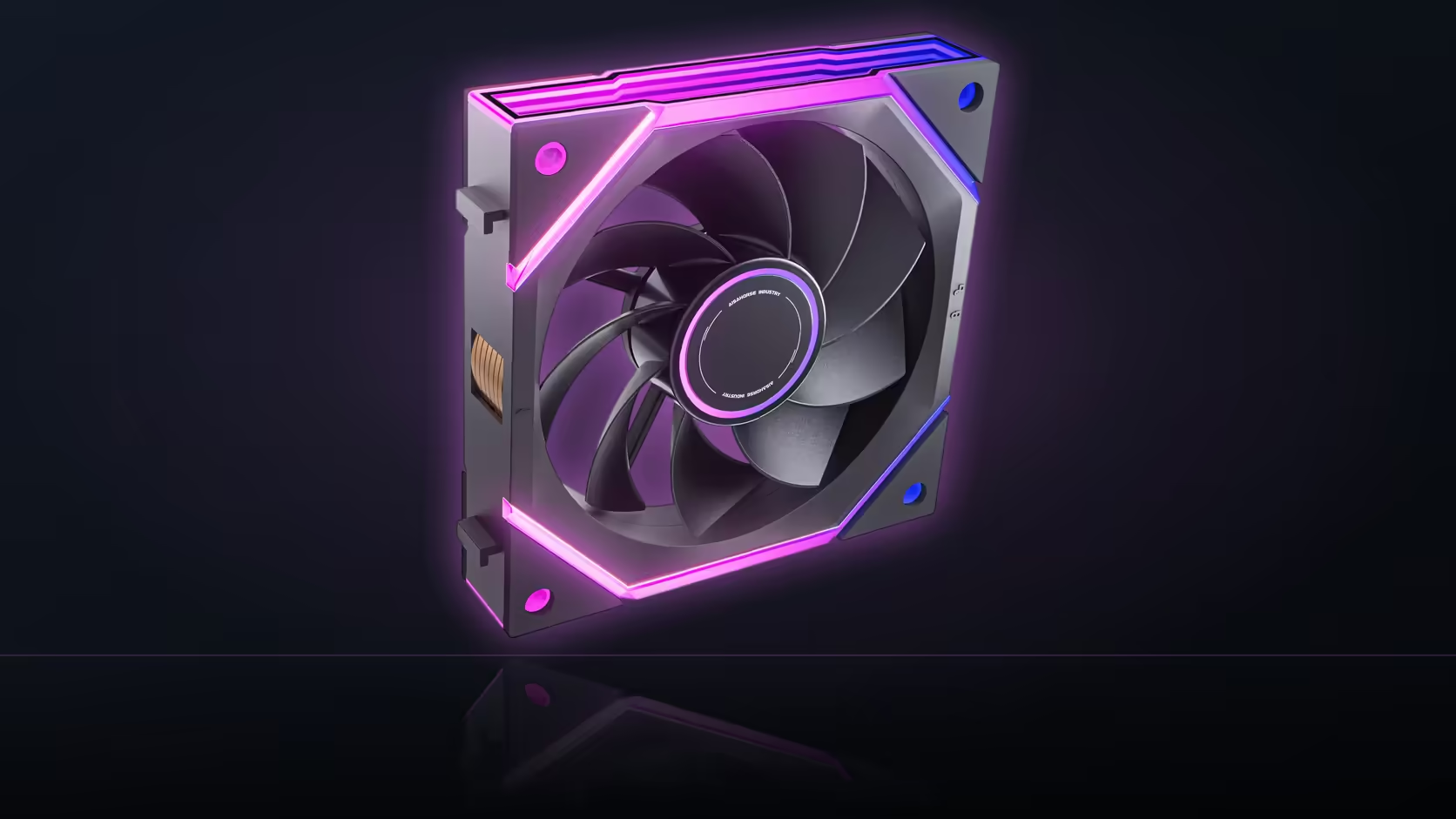
Fans mounted along the side of a case often get judged from a photograph taken face-on, which is not how anyone actually experiences them day to day. Sitting at a desk usually means looking at a side intake row from an angle rather than straight ahead, and that single fact changes what a lighting effect actually looks like once the build is finished.
Quick Answer
The infinity-mirror effect on a Nyota Ultra reads best viewed face-on, and a side intake row seen from a normal seated position is usually viewed at an angle instead. Check the actual sightline from your chair before assuming a side row will show the depth effect the way product photos suggest.
👁️ Why a side-mounted row loses some of the effect
The infinity-mirror ring layers its 16 addressable LEDs to create a sense of depth, and that layering depends on viewing the ring roughly straight on. A side-mounted intake row, typically viewed from a desk chair positioned in front of the case rather than beside it, is seen at an angle rather than face-on, which flattens some of the depth the ring is designed to show.
🔄 Whether reverse blades solve the angle problem
Reverse blades change which side of the fan looks finished, which is a genuine fix for a fan showing its rear face to a window. That is a different problem from viewing angle, and switching blade direction does nothing to change the angle a side-mounted row is seen from. Both issues can exist on the same fan without one solving the other.
🪑 Testing the actual angle before buying
The only reliable check is sitting where you normally would and looking at the case in its usual position on the desk or floor. A photograph or a showroom display rarely matches the specific angle of your own setup, and that angle is what determines how much of the depth effect actually survives in daily use rather than in a marketing image.
🔀 What might work better than a side row
Through a side window, fans mounted facing the glass directly tend to read better than a row mounted along an adjacent panel and viewed edge-on, since the former keeps the ring roughly face-on to the viewer. Rotating the case itself on the desk is often a cheaper fix than changing anything inside it, and the light still shows as a glow at an angle even when the layered depth effect flattens out. If the effect will genuinely not be seen from your seat, a plainer fan at a lower price does the identical cooling job. Browse the case fan range for both lit and unlit options, and case accessories for mounting hardware if repositioning is on the table.
Frequently Asked Questions
Why does a side-mounted row lose some of the mirror effect?
Because the depth effect reads best face-on, and a side row viewed from a normal desk position is usually seen at an angle instead.
Does choosing reverse blades fix the angle problem?
No. Reverse blades change which face looks finished, a separate matter from the angle the row is actually viewed from.
How can I check the angle before ordering fans?
Sit in your usual spot and look at the case where it normally sits, which is the only view that actually matters.
Would a front-facing row read better through a side window?
Fans mounted facing the glass directly tend to hold the depth effect better than a row seen edge-on from an adjacent panel.
Is the lighting still visible at an angle at all?
Yes, though it shows more as a glow than as layered depth, which reads flatter than a face-on view.
Should the viewing angle change which fans I buy?
If the effect genuinely will not be seen from your seat, a plainer unlit fan does the same cooling job for less.
Ready to check your own sightline before ordering a lit fan row?
Sit at your usual spot, then browse Evetech's case fan range with that angle in mind.