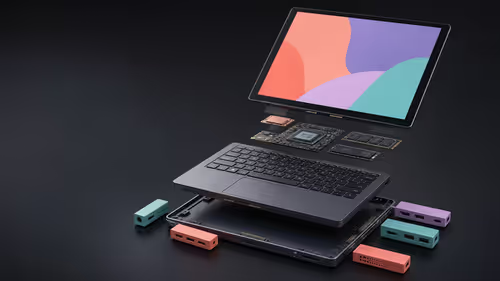
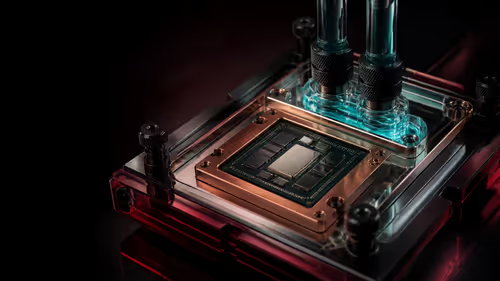
A content-creation PC is worth using for CAD when its processor, graphics hardware, memory and operating system meet the exact application and project requirements. Video or design branding alone is not enough. Some CAD tools favour certified graphics or strong single-thread performance that a general creator build may not prioritise.
Test the actual model set
Open a representative drawing, assembly or render and check navigation, regeneration, memory use and export. Record the installed CPU, GPU, RAM, storage and PSU. Compare those details with current vendor guidance, plug-ins and any required driver certification. Check plotter drivers and licences too.
The Palit RTX 5060 8GB graphics card is listed at R4,800 and the Ryzen 5 5500 processor at R1,100. Confirm CAD support, motherboard compatibility, memory type, PSU connectors, case clearance, cooling and warranties. These components are not a complete workstation and may not satisfy software that needs a professional certified GPU.
Keep drawings, templates and custom libraries in versioned backups. Test plotting, multi-monitor output and peripheral drivers before changing a production machine. Reopen a known project after every major driver update.
Use the creator PC when the real CAD workload remains stable and supported. Upgrade only the measured component or choose a validated workstation when certification and service are essential.
Combining CAD and content work? > Compare Evetech components against the exact software guidance.