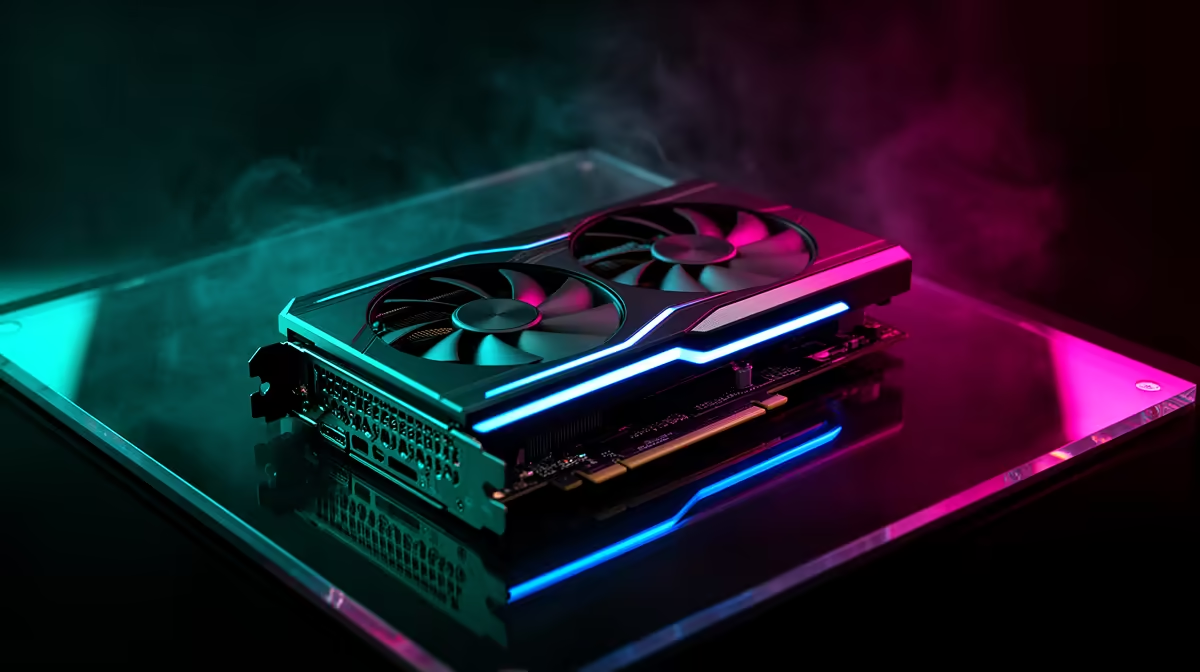
Palit RTX 5060 8GB at R4,800 suits SA gamers who want the biggest visible upgrade first when an older card is holding back 1080p play. A new graphics card should usually come before smaller platform tweaks when the current GPU is weak, because frame rate, visual settings, and display smoothness are often limited there first.
Start with the upgrade that changes the screen
The Palit RTX 3050 6GB at R2,700 is the budget rescue option for a PC that still runs but feels dated in newer games. Its 6GB spec keeps the spend low, so it makes sense when the rest of the machine is modest and the goal is a cleaner entry-level jump rather than a full rebuild.
The ASUS Dual RX 7600 8GB at R4,650 and Palit RTX 5060 8GB at R4,800 sit close enough in price that the decision becomes practical. If the PC already has a decent CPU and enough memory, choose the stronger screen-side upgrade first; if the processor is clearly old, unstable, or constantly maxed out, fix that bottleneck before spending more.
Student desk spending order
On a student desk where one PC handles games, coursework, and streaming, the ASRock ARC B580 12GB at R4,700 is attractive because the 12GB spec gives extra breathing room without jumping to a premium bracket. For a more serious gaming room, the XFX RX 9060XT 16GB at R7,400 adds a 16GB buffer, while the Palit RTX5070 at R9,000 belongs in builds where the rest of the system is already strong enough to let it stretch.
Ready to choose the right graphics card?
Use Palit RTX 3050 6GB at R2,700 as the graphics card shortlist benchmark, then check whether its listed spec matches the space, workload, and upgrade path.