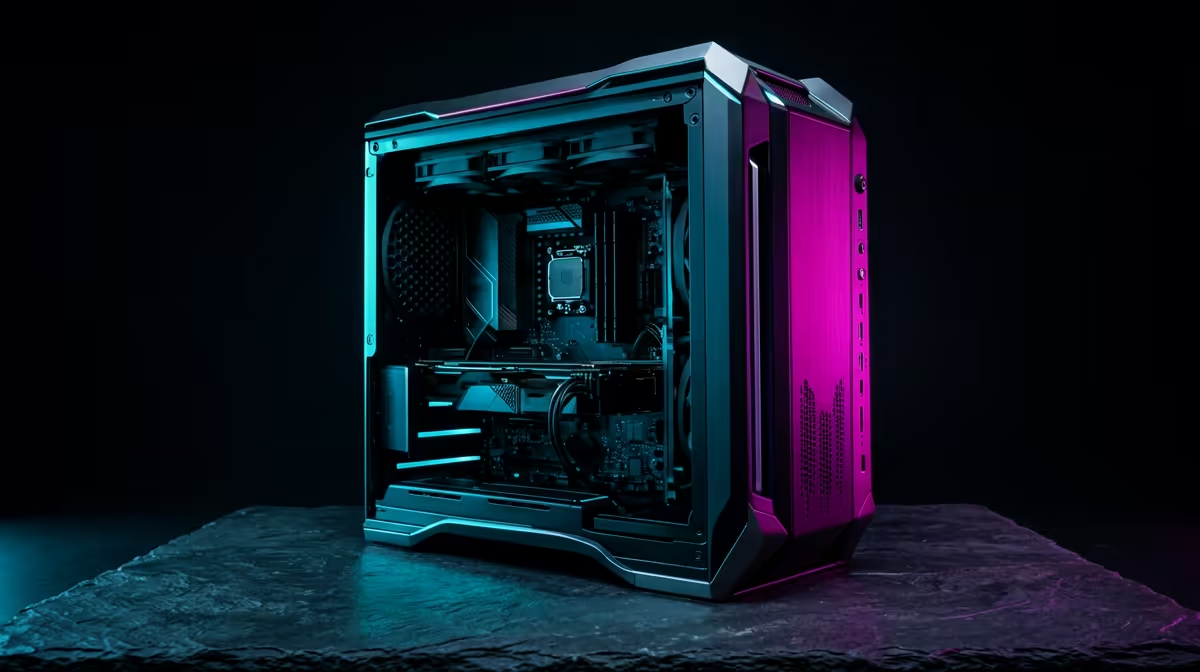
The sticker price of a gaming PC is only the start of what it costs to own. Over five years, electricity, the odd upgrade and a replacement part or two add up, and planning for them keeps the hobby affordable rather than a surprise.
Quick Answer
Over five years, expect to spend roughly 30 to 50 percent of the original build price again on electricity, one GPU or storage upgrade and minor replacements. On a R5,000 build, budgeting a modest amount each year for power and a mid-life upgrade keeps the machine current without a second big outlay.
The Running Costs That Add Up
A gaming PC drawing 400W under load for a few hours a day uses real electricity over five years, and at current SA tariffs that is a recurring cost worth planning for. A more efficient build with an 80+ Gold PSU and sensible components keeps that bill down. The R5,000 figure is the entry price; the five-year cost includes power, which is why efficiency pays off over time.
Plan One Mid-Life Upgrade, Not A Rebuild
Most builds benefit from a single GPU or storage upgrade around year two or three, which extends useful life far cheaper than a full replacement. Building on AM5 with a quality PSU and case means that upgrade is a simple swap, not a platform change. Setting aside a small amount yearly turns the upgrade into a planned step rather than an unexpected expense.
Protect The Investment To Lower Total Cost
Good cooling, dust filters and a surge-protected, quality PSU extend component life and avoid the cost of early failures. Keeping the system clean and cool in SA's warm, dusty conditions is the cheapest insurance you can buy. A well-maintained build holds its performance and resale value, which lowers the real five-year cost of ownership.
FAQ
How much does a gaming PC cost to run per year in SA?
It depends on usage and tariff, but a 400W rig used a few hours daily adds a noticeable amount to your electricity bill each year. An 80+ Gold PSU and efficient parts keep that running cost lower over five years.
How often should I upgrade my gaming PC?
Most builds benefit from a single GPU or storage upgrade around year two or three, rather than frequent changes. Building on a current platform like AM5 makes that upgrade a simple, affordable swap.
What is the biggest hidden cost of owning a gaming PC?
Electricity over time and a mid-life upgrade are the main ones, with early component failure from poor cooling a distant third. Planning for power and one upgrade keeps the five-year cost predictable.
Pro Tip
Budget a small amount each year for electricity and a single mid-life GPU upgrade, and build on AM5 with an 80+ Gold PSU. That turns the five-year cost into planned steps instead of a second big outlay.