A direct drive extruder for detailed prints and flexible filaments can be a useful layout because the filament path between drive and nozzle is short. It still needs exact material compatibility, tuned motion and a representative print before either detail or flexibility is accepted.
Quick Answer
Direct drive helps the Neptune 4 Plus feed flexible and detailed work through dual gears, a 5.2:1 ratio and a short path to its 300C nozzle.
The R7,799 Neptune 4 Plus uses direct drive with a 300C-capable nozzle. Confirm the exact filament's full requirements, establish reliable flow at a conservative speed and inspect the same fine features before deciding whether the layout suits detailed or flexible-material work.
🧵 Understand the Short Path
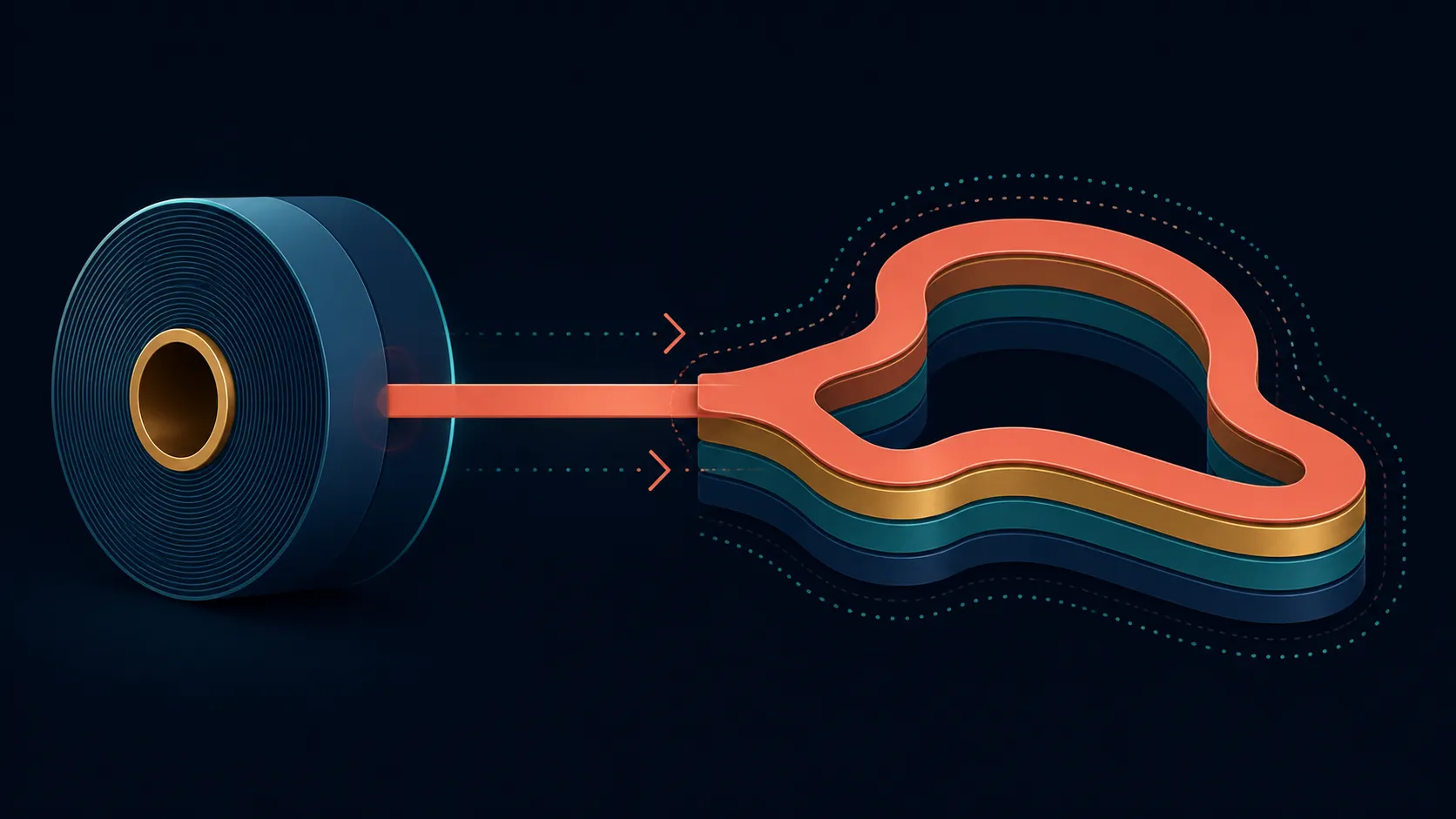
Direct drive places the extruder close to the nozzle, reducing the free path compared with a Bowden layout. This physical relationship can inform filament-control tuning.
It cannot certify every flexible filament. Formulations, diameters, temperatures and handling requirements differ, so compatibility belongs to the complete printer and selected spool.
The Neptune's 500mm/s ceiling should not be carried automatically into a flexible-material profile. Each material needs a tested working rate.
🌡️ Match the Material System
Start with the filament maker's hot-end, bed, surface, storage and workspace requirements. Compare the working temperature with the nozzle's 300C maximum.
Confirm any other hardware or environmental needs rather than treating direct drive as the full answer. Load the material through the exact Neptune process.
Explore Evetech's 3D printing filament range using this whole-system checklist.
🔍 Test Fine Features
Choose a model containing the walls, holes, corners or textures that matter. Prepare the bed through automatic levelling and approve layer one before examining later detail.
Use a slower baseline, then adjust one profile factor at a time. If the target filament is flexible, watch feed consistency and avoid copying settings from another formulation.
Compare extrusion systems among large 3D printers through Evetech with the same feature test.
📊 Accept the Proven Profile
Label samples by filament, temperature, speed and layer target. Detail quality must be judged on the finished feature rather than the extruder category.
Browse FDM printers from Evetech if another feed path or capacity better fits the project.
Save the working result for that exact spool and model class. The direct drive layout becomes valuable through repeatable control, not an untested promise about every detailed or flexible print.
Run the same sample after unloading and reloading the material. Flexible feed behaviour can change when the path is re-established, so repeatability matters more than one successful attempt.
For detailed work, inspect the feature under consistent lighting and measure it where the project requires dimensions. For flexible material, record any feed or surface symptom without turning the extruder layout into the default explanation. The evidence should point to the setting or stage that changed.
Keep one conservative profile available after every experiment. If a flexible spool begins to feed poorly or a detailed wall degrades, returning to a known configuration reveals whether the newest adjustment was responsible. That recovery path is part of useful control.
Label the recovered sample before continuing.
The 290g assembly and titanium throat support responsive feed, while active PID control stabilises heat. TPU is explicitly supported, along with PLA, PETG, ABS, ASA and nylon. Compare a real part at controlled speed before claiming better detail from layout alone.
For flexible TPU, a short controlled path reduces opportunities for the filament to buckle between drive and melt zone. Keep pace conservative until flow is reliable. For detailed rigid materials, combine the direct drive with resonance calibration and appropriate cooling rather than assigning all edge quality to the extruder location.
Dry flexible filament according to its own guidance before diagnosing the extruder.
Frequently Asked Questions
Why can direct drive help filament control?
The drive mechanism sits close to the nozzle, shortening the unconstrained feed path compared with Bowden layouts.
Does the Neptune 4 Plus use direct drive?
Yes. Its direct drive extruder feeds a nozzle with a maximum operating capability of 300C.
Are flexible filaments automatically compatible?
No. Confirm every formulation against the full printer, surface, temperature, speed and handling requirements.
Can direct drive guarantee detailed output?
It cannot. Detail reflects model geometry, material delivery, motion, layer setup and the tuned profile.
How should a flexible material be tested?
Begin conservatively, preserve one filament and model, then alter a single setting while comparing labelled samples.
What print area accompanies the extruder?
The Neptune 4 Plus offers a 320 x 320mm bed and 385mm of available height.
Does maximum speed apply to every material?
No. The 500mm/s ceiling does not define a suitable rate for each filament or desired finish.
Testing feed-path control with the exact material and feature?
Explore direct drive FDM printers at Evetech with compatibility and sample acceptance defined before tuning begins.