Python data analysis usually loads one or a few cores hard while pandas crunches a dataframe, with bursts during model training. Cooling here is about quiet steadiness, not maximum airflow for a 24-hour render.
Quick Answer
For a Python data-analysis rig in SA, two or three 120mm PWM fans at 50 to 65 CFM and under 28 dBA keep a mainstream CPU comfortable below 80C during pandas and scikit-learn runs. A R150 to R250 fan is enough; spend the saved budget on RAM. Use a quiet fan curve that only ramps during long training jobs.
What data workloads ask of cooling
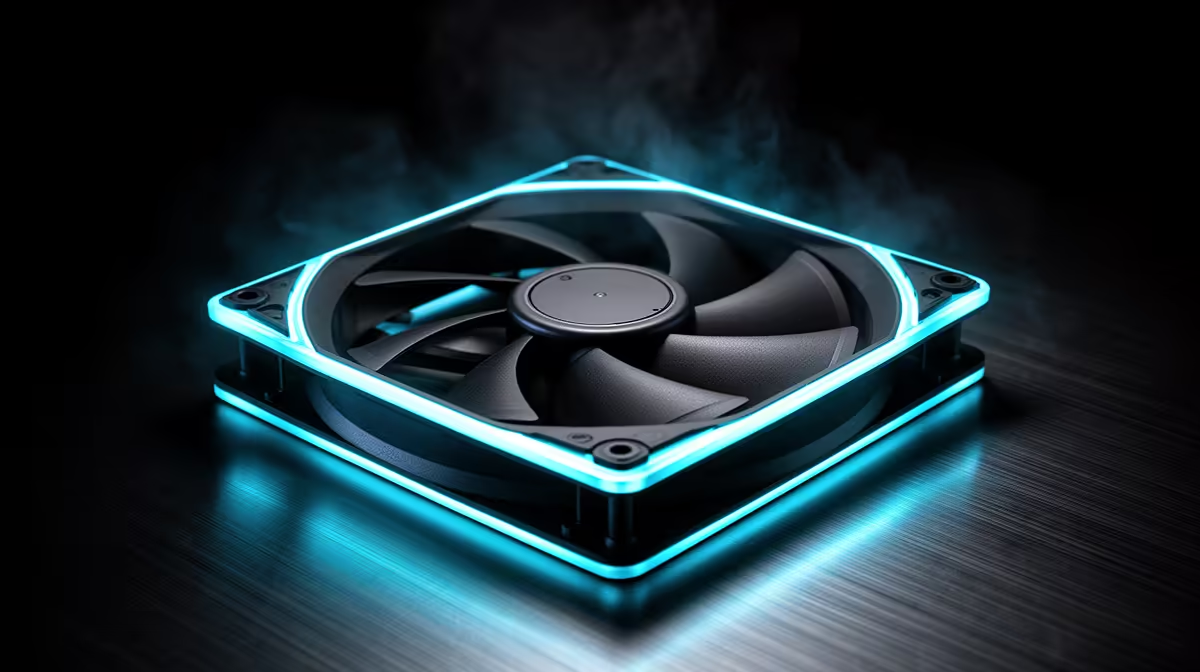
Most analysis is bursty: imports, joins and a quick model fit, then idle while you read results. That means you want fans that stay near-silent at idle and ramp only under load, not fans tuned for constant full RPM. A 120mm PWM fan at 50 to 65 CFM handles the occasional all-core training run without drama. Static pressure matters only if fans sit behind a filter or radiator.
A quiet, sensible layout
Two intake at the front and one rear exhaust is enough for a mid-tower data rig. Set the curve to hold under 1,000 RPM below 60C so the machine is silent while you write code, then ramp up for a long fit. This keeps a home or shared-flat workspace calm, which matters more for desk-bound analysis than shaving two degrees off peak temps.
Where to spend instead
Cooling is rarely the bottleneck for Python work; RAM and a fast NVMe are. Cap fan spend at R600 to R900 for a quiet refresh and redirect the rest toward 32GB of memory so large dataframes stop swapping to disk.
FAQ
How many fans for a Python analysis PC?
Two to three 120mm fans cover it: two intake and one exhaust. Data work is bursty, so you rarely need the airflow that gaming or rendering rigs demand.
Should fans be loud during model training?
They can ramp during a long fit, but a good PWM curve keeps them quiet otherwise. Set the curve to stay under 1,000 RPM below 60C for silent everyday coding.
Is cooling the bottleneck for data analysis?
Rarely. RAM capacity and SSD speed usually limit you first. Spend modestly on fans and put the savings toward 32GB of RAM.
Pick up a pair of quiet 120mm PWM fans from Evetech and pair them with a memory upgrade for a calm, responsive data-analysis rig.