


650W PSU Planning for RTX 5090 Builds in SA
650W for RTX 5090 needs a full-build check, not a simple yes. Review GPU guidance, CPU draw, transient load, connectors, PSU quality, and upgrade plans before deciding.
Read moreNeither PLA nor PETG is better for every everyday print; the project decides. For a glossy decorative result, ELEGOO Galaxy PLA offers dynamic angle-changing colour in a 1kg, 1.75mm spool at R499. Check other required material properties before choosing.

An everyday print can be a visual prototype, a household organiser or a part that faces repeated handling. That range is why PLA vs PETG filament has no universal winner. The right material follows the job, while ELEGOO Galaxy PLA provides a clearly finish-led PLA option for objects where appearance is central.
Choose PLA when the project and printer setup favour it, and consider PETG when the design needs properties that the chosen PLA does not establish. A R499 spend buys 1kg of ELEGOO Galaxy PLA with gloss, dynamic shimmer and angle-changing colour for visible everyday prints. Do not decide from appearance alone when the object has functional demands.
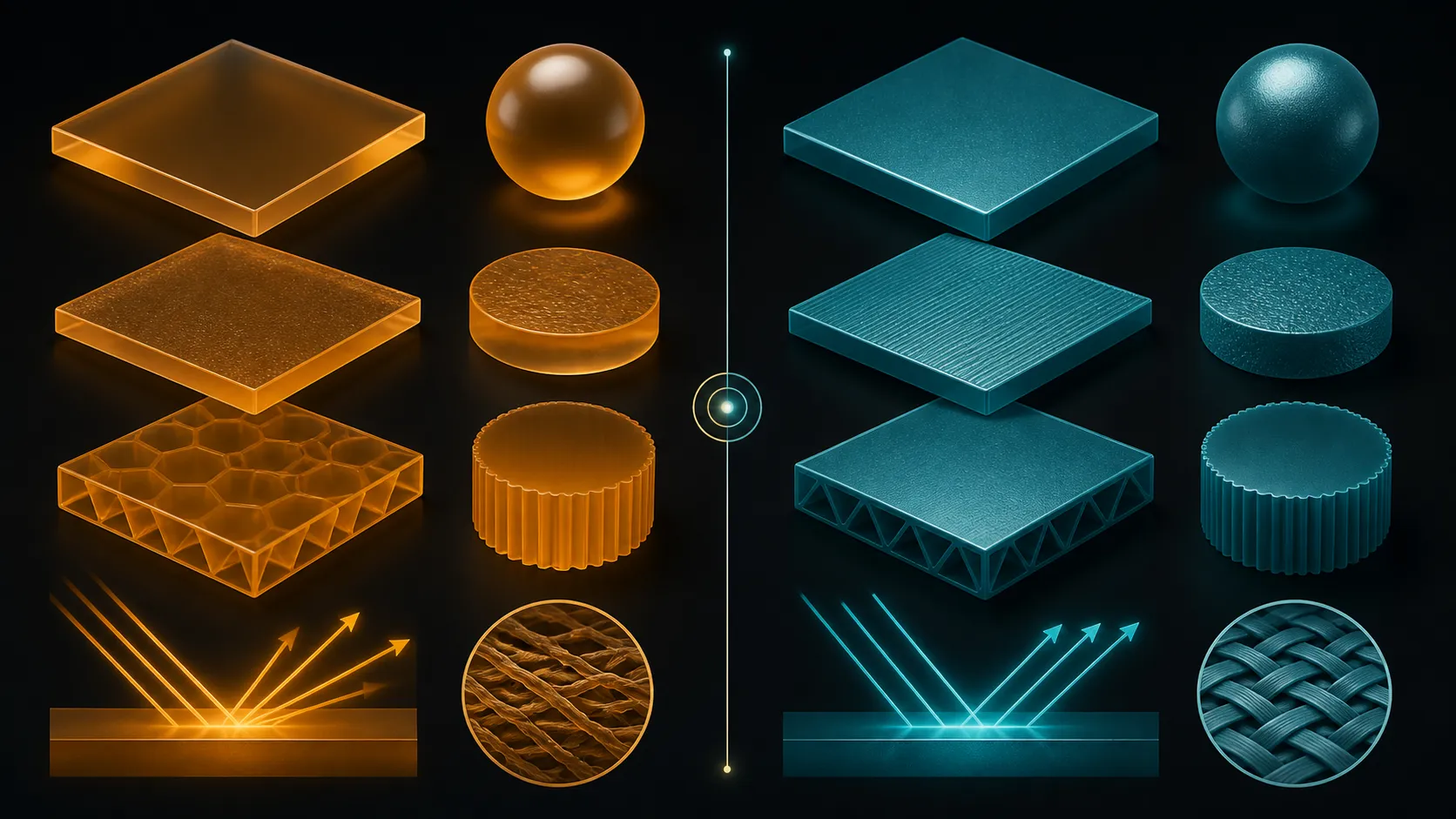
Write down where the part will sit, how it will be handled and which failure would matter. A decorative shelf model puts surface quality near the top of the list. A frequently used component may make mechanical behaviour, environmental exposure and the printer's proven material support more important than a dramatic finish.
This method prevents a familiar comparison error: treating a material family as though every spool and every design behaves identically. Compare the actual requirements against the actual filament and machine. The 3D printing filament selection is a practical place to survey alternatives by project rather than by a single headline claim.
ELEGOO Galaxy PLA produces a glossy space effect with vibrant shifts across viewing angles. That is useful when several sides of the object remain exposed. Rotate a representative print under the intended display light to see whether the visual movement supports the design.
PETG appearance and performance depend on the exact product chosen, so a fair comparison needs a real candidate rather than a generic label. Keep size, geometry and evaluation conditions consistent if printing samples in two materials. A better-looking sample should not automatically win if it misses a functional requirement.
Material choice and machine capability form a pair. Confirm that the printer accepts the diameter and material family before planning the part. The ELEGOO spool is 1.75mm, but that measurement alone does not settle compatibility with every feed path or setup.
Use Evetech's 3D printer range to compare machines alongside material options. For a current printer, follow its operating guidance and build a small baseline before committing to the final object. Everyday value comes from a material that completes the job predictably, not from winning a label contest.
A one-line design requirement can stop the comparison from drifting. For example, state that the object must present a glossy decorative shell, survive repeated handling or prove a fit before assembly. Then score each real candidate only against that statement and any other essential conditions.
If the requirement changes, restart the material decision rather than pretending the original winner still applies. A PLA choice made for a shelf model cannot automatically carry over to an item used differently. This discipline also clarifies when appearance should dominate and when it should be a secondary benefit. The result is a project-led choice instead of a generic argument between material families.
Add a rejection reason beside each candidate. One may fail printer support, another may miss a required functional property and a third may offer a finish that conflicts with the design. Recording why an option left the shortlist prevents it from returning later through habit. It also keeps the Galaxy choice honest: the material should win because its angle-shifting surface serves the object, not because the comparison lacks a real PETG candidate.
Galaxy PLA brings a specific everyday benefit when appearance is part of the job: a brilliant sheen and rich colour transition are built into the chosen material rather than added through a later surface treatment. Its plant-derived, biodegradable PLA base also keeps the comparison rooted in the familiar PLA family. PETG should still be selected for its own project-relevant properties, but it should not receive the Galaxy spool's reflection or visual-depth result by assumption.
No. The decision depends on the intended use, printer support, environment and the consequences of the part failing or deforming.
It stands out on visible work that benefits from gloss, dynamic shimmer and colour movement as the viewer changes position.
Appearance is only one criterion. A functional object also needs the material characteristics required by its actual use.
Use representative models and consistent evaluation conditions. Judge surface, geometry and job-specific requirements separately before choosing.
Ready to choose a material around the job? Compare Evetech's filament and printer ranges, then test the strongest candidate on a model that reflects how the final object will be used.
No. The decision depends on the intended use, printer support, environment and the consequences of the part failing or deforming.
It stands out on visible work that benefits from gloss, dynamic shimmer and colour movement as the viewer changes position.
Appearance is only one criterion. A functional object also needs the material characteristics required by its actual use.
Use representative models and consistent evaluation conditions. Judge surface, geometry and job-specific requirements separately before choosing.
650W for RTX 5090 needs a full-build check, not a simple yes. Review GPU guidance, CPU draw, transient load, connectors, PSU quality, and upgrade plans before deciding.
Read more
How to fix FPS drops Windows 11 RX 9070 XT starts with GPU drivers, overlays, power plans, and frame pacing checks. For SA gaming PCs, verify chipset updates, HAGS, refresh rate, thermals, and per-game graphics settings.
Read more
How to fix FPS drops on X870E motherboard starts with BIOS, chipset drivers, PCIe settings, and memory stability. SA gamers can check EXPO, resize BAR, thermals, display refresh, and background apps before replacing components.
Read more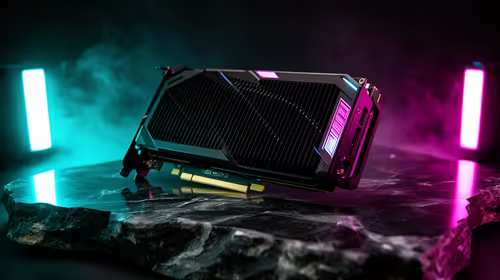
RTX 5060 is popular with SA students because it can fit gaming, coursework, and creative app needs in one setup. Compare total system price, cooling, RAM, storage, and screen quality before picking a desktop or laptop.
Read more
1440p is the sweet spot for SA gamers because it balances sharp visuals, high frame rates, and GPU cost better than 4K. It is a practical monitor target for players who want smoother upgrades without the heavier hardware demands of 4K.
Read more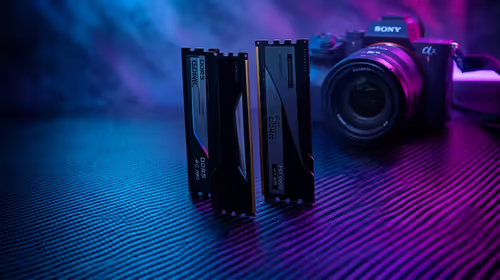
RAM pricing for Midrand gamers can shift with exchange rates, supply, specs, and model tier. Treat the title as a buying prompt, then compare SA warranty, timing, and build priorities.
Read more
From 1 October 2026, WhatsApp Business Platform service replies in South Africa are expected to cost about $0.0076, or 12 cents, per delivered message.
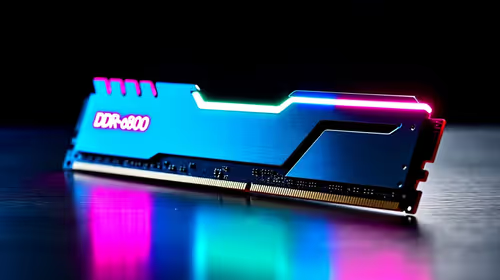
DDR5-8000 RAM Kits pros and cons depend on the build, budget, and workload. Weigh gaming needs, platform fit, power, cooling, warranty support, and South African pricing context before shortlisting it.

Wi-Fi 6E vs Wi-Fi 6 depends on AAA single-player gaming needs, platform limits, and budget fit. Compare compatibility, latency, upgrade path, and real setup constraints before choosing for an SA build.

Ryzen 9 9950X3D dead pixel checks should isolate the panel first. Run colour fills, inspect the monitor menu, test another cable or input, and capture proof before linking it to the SA CPU upgrade.

YouTube will count public views from the first frame across video formats from 24 August, while earnings and eligibility remain tied to engaged viewing.

Canonical expects Ubuntu on WSL users to outnumber native Ubuntu desktop users before the end of 2026. The software is open source and runs inside supported Windows PCs.
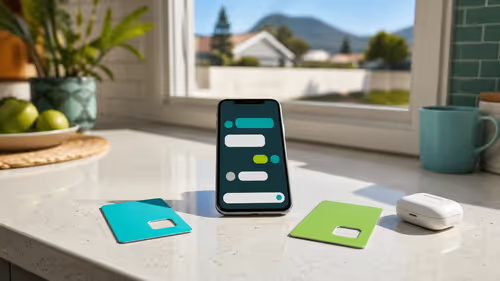
Telkom's daily bundles pair WhatsApp access with 10 all-network voice minutes. The R15 option includes 300MB, while the R17 option uses a fair-use threshold.

A 10,000-hour test found similar image retention across older and newer OLED TVs, while newer panels were brighter and more efficient. Local OLED monitors started at R9,999.

Windows 11 update KB5121003 is linked to crashes in several multiplayer games on versions 24H2 and 25H2. Check the build, report the fault and avoid risky file or update changes unless the problem is confirmed on your PC.

Comsol's standalone 5G network covers about one million Gauteng homes and starts commercial ISP service in September. Early packages range from R275 to R875 a month, but coverage and fair-use rules still decide the real value.

Sennheiser's Momentum True Wireless 5 adds user-replaceable batteries, 12-hour playback and a $299.95 launch price. There is no confirmed South African date, so compare longevity with live earbuds from R199 to R2,999.

AVerMedia's GC531 and GC535 are professional HDMI capture devices for continuous streaming, with RGB24 capture up to 2K30 and 4K30. South African creators should compare them with live 4K capture cards from R2,099.