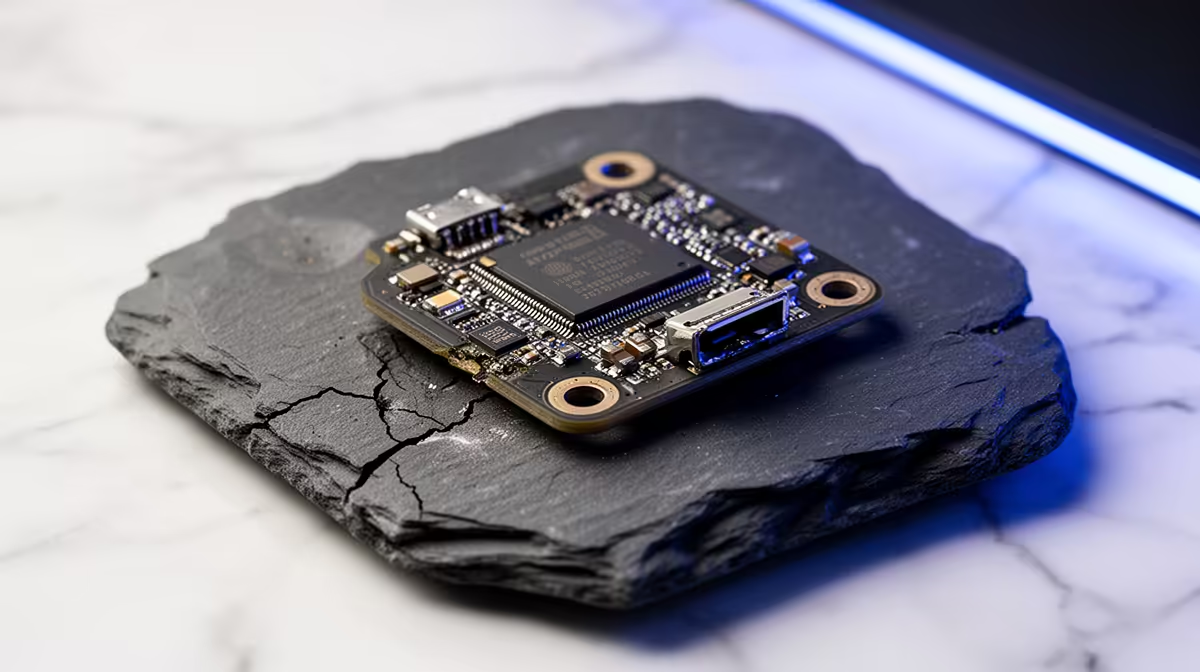
A dead component after a storm still needs evidence linking the failure to a covered event. Surge damage vs wear and tear is decided through technical findings and policy wording rather than scorch marks alone.
Quick Answer
An assessor does not decide surge damage from scorch marks alone. The process can consider the event timeline, utility or weather evidence, protection devices, fault pattern, component tests, prior symptoms, and a technician's report. Wear, a PSU fault, heat, liquid, and external over-voltage can leave overlapping clues.
Use the exact power equipment listed in the Corsair PSU range or best-selling PSU list to document model and cable details. Do not assume a retailer can issue the report your insurer accepts; ask the insurer who may assess the equipment.
Preserve the scene
If there is smoke, smell, exposed damage, or unsafe heat, disconnect power only when it is safe and keep people away. Do not repeatedly switch the PC on to prove the fault.
Photograph the PC, wall connection, surge protector or UPS, and visible damage without opening electrical enclosures. Note the date, time, weather, nearby outages, sounds, and which devices failed together.
Keep plugs, cables, adapters, PSU, and failed parts. Do not clean scorch marks or replace components before the insurer gives preservation instructions.
Let the report separate causes
A qualified technician can inspect protection devices, PSU outputs through safe methods, component failure patterns, storage health, and prior wear. The report should state observations, tests, limits, and conclusion rather than guarantee a cause it cannot prove.
Capacitor failure or a blown fuse can arise from several paths. A sudden multi-device failure supports an event timeline and is not conclusive by itself. The policy wording determines whether the accepted cause is covered.
Provide prior repair records and disclose earlier symptoms. Hiding intermittent shutdowns can weaken the evidence and mislead diagnosis.
Record the wider electrical event
Ask neighbours or building management whether other equipment failed at the same time, without treating that report as proof of your cause. Save utility outage notices, storm warnings, alarm logs, and UPS event records when available.
List every connected path: wall power, Ethernet, fibre equipment, television, audio, USB devices, and backup power. One device may fail while another survives because the paths and internal safeguards differ.
Do not make public accusations about a utility, installer, or product before the technical and claim processes establish facts. Keep the evidence factual and dated.
Copy digital records to a separate secure location and keep the original damaged equipment unchanged. A clean chronology gives the assessor more useful evidence than a box of parts altered during home troubleshooting.
FAQ
Do scorch marks prove a power surge?
No. They show heat or electrical damage and need context and testing. Several fault causes can leave similar marks.
Who should write the damage report?
Ask the insurer which assessor, repairer, or qualified technician it accepts before commissioning work. Keep the written scope and reference number.
Can I replace parts before assessment?
Wait for insurer instructions where safe. Early disposal or repair can remove evidence. Protect data and people without opening the PSU or energising damaged equipment.
Preserve the failed power path, document the event, and use the insurer-approved assessment route before repairing or discarding any component.