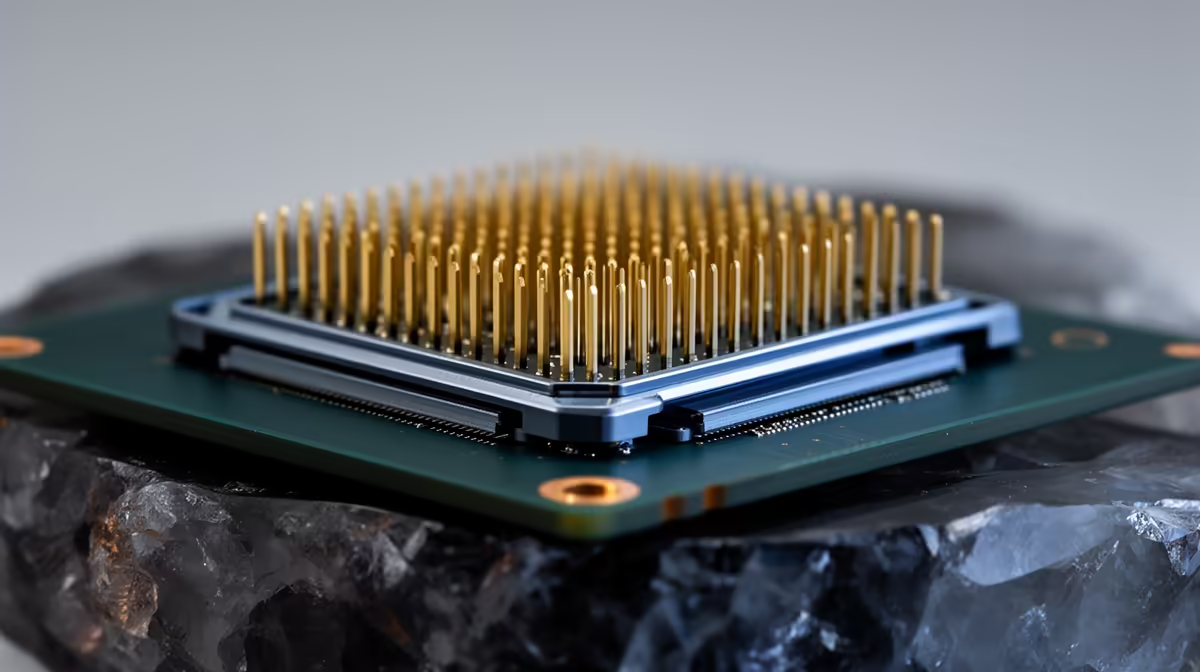
Buy a motherboard today and you are not just choosing connectors and a chipset, you are betting on how many future processors will drop into it. Platform longevity is how many CPU generations a single socket supports before you are forced to replace the board, and for SA builders who keep a rig running for years, it quietly decides the real cost of every upgrade.
Quick Answer
Platform longevity is the number of CPU generations a motherboard socket accepts before a new board is required. A socket that supports several generations lets you drop in a faster processor later without buying a new motherboard, RAM, and cooler. Intel's reported LGA1954 is said to support upcoming Nova Lake and Razor Lake processors, while AMD's AM5 has been positioned as a long-lived socket, both giving builders a genuine upgrade runway.
Why The Socket Decides Your Upgrade Bill
When you upgrade a CPU on a socket that only ever supported one generation, you do not just buy a chip. You usually buy a new motherboard to take it, and often new RAM if the memory standard changed, plus you may need a cooler that fits the new mounting. That turns a "just swap the CPU" plan into most of a new build.
A long-lived socket breaks that chain. If your board accepts the next two or three generations of processor, a mid-life upgrade can be as simple as removing the old CPU, seating the new one, and updating the firmware. You keep the board, the memory, and the cooler. For anyone who plans to refresh performance once or twice over five years, that is real money saved.
Intel and AMD: Two Approaches
The two platform camps have historically treated socket lifespan differently, and it is worth knowing the pattern before you commit.
AMD's AM5 socket has been promoted as a multi-generation platform, the kind of foundation a builder can sit on and upgrade across several CPU releases. That track record is part of why AM5 appeals to people planning ahead.
On the Intel side, the reported LGA1954 socket is said to carry the upcoming Nova Lake and Razor Lake generations, which would give it a meaningful upgrade path rather than a one-and-done lifespan. Before you buy, confirm the current, official compatibility for whichever socket you are looking at, because roadmaps shift and only a manufacturer's published support list should be trusted for an upgrade plan.
How To Plan A Long-Life Build
If longevity matters to you, weigh these points before checkout:
- Pick a socket with a stated multi-generation future, then verify the support list yourself rather than assuming.
- Buy a board with headroom, since a stronger power delivery and chipset are more likely to handle a beefier future CPU.
- Choose memory and a cooler you can carry forward, so the only thing you swap at upgrade time is the processor.
You can see what is currently available in the Intel processor range at Evetech when you are matching a chip to a socket, and browsing the best-selling PC builds is a quick way to gauge which platforms builders are backing right now.
The Takeaway
Platform longevity is not a spec printed on the box, it is a planning decision. Choose a socket with a real future and a board with room to grow, and your next upgrade is a five-minute chip swap instead of a near-complete rebuild.
Frequently Asked Questions
What does platform longevity mean for a PC build?
It is how many CPU generations a motherboard socket supports before you need a new board. A longer-lived socket lets you upgrade the processor later while keeping your motherboard, RAM, and cooler.
Is AM5 a good socket for future upgrades?
AM5 has been positioned as a multi-generation platform, which is why it appeals to builders planning to upgrade their CPU over several years. Always confirm the current official support list before buying.
What is LGA1954 and what does it support?
LGA1954 is a reported Intel socket said to support upcoming Nova Lake and Razor Lake processors. Treat roadmap details as provisional and check the manufacturer's published compatibility before purchase.
How do I keep my upgrade costs low over five years?
Buy into a socket with a stated multi-generation future, choose a board with strong power delivery and chipset headroom, and pick RAM and a cooler you can carry forward so only the CPU changes at upgrade time.
Planning a rig you will keep upgrading for years? Match a processor to a long-life socket in the Intel CPU range at Evetech and build a platform with room to grow.