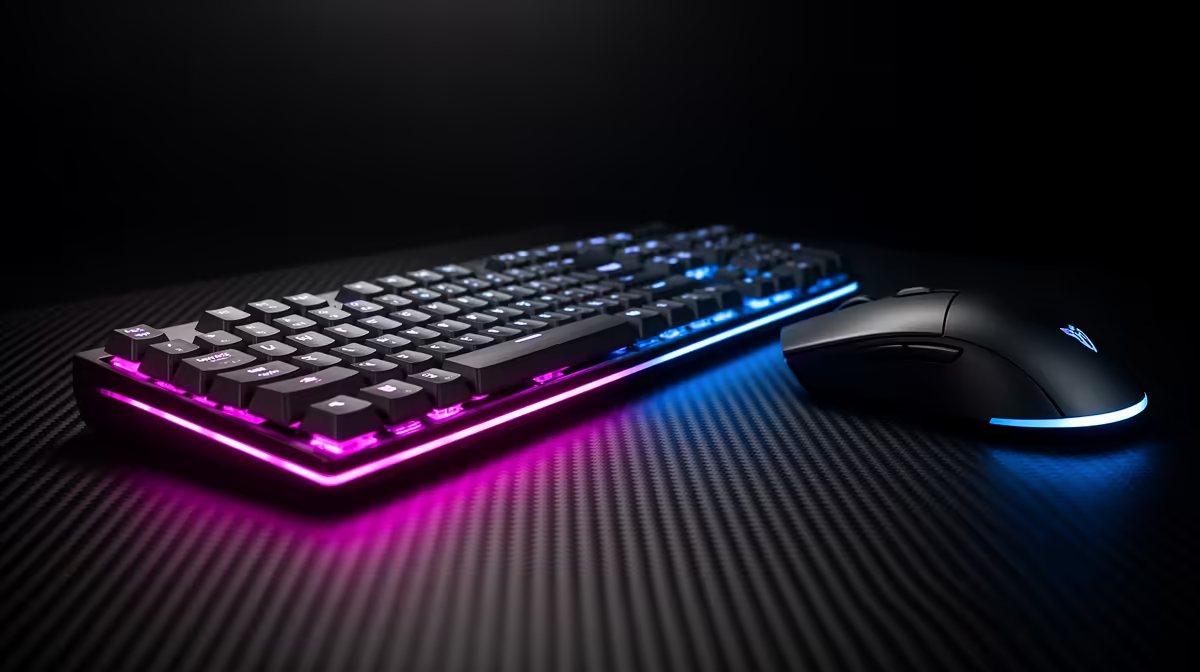
For esports, going wireless for both keyboard and mouse trades cable clutter for battery management, with modern gear closing the latency gap to near-wired. The decision turns on reliability and convenience.
Quick Answer
For esports, top wireless keyboards and mice now offer latency most players cannot distinguish from wired, so wireless wins on a clean desk and freedom of movement. Wired stays the safe pick for the lowest latency and no battery worry. Choose wireless for convenience with quality gear, or wired for absolute consistency.
How close wireless has come for competition
Premium wireless gaming gear uses fast polling and low-latency radios that rival wired connections, and the difference is imperceptible to most competitive players. The clutter-free desk and lack of cable drag on the mouse can even help movement. For esports players using top-tier wireless mice and keyboards, the experience matches wired while offering more freedom and a cleaner setup.
Why wired still suits some competitors
Wired peripherals guarantee the lowest latency with no radio interference and never need charging, which matters in long tournaments and marathon practice. They also cost less for the same sensor and switch quality. If you want absolute consistency, zero battery management, and the best value for a competitive build, wired remains a dependable choice that removes any variable.
FAQ
Is wireless gear fast enough for esports?
Top wireless mice and keyboards have very low latency most players cannot tell from wired. Budget wireless gear can lag, so quality matters for competitive use.
Do I have to manage batteries with wireless?
Yes, though good gear lasts many hours and charges while connected, so downtime is minimal. Wired gear removes battery management entirely.
Is wired cheaper for an esports setup?
Usually, for the same sensor and switch quality, since it avoids radio and battery hardware. That saving can go toward other parts of a competitive build.
Pro Tip
Go wireless for a clean desk with near-wired latency, or wired for the lowest latency and no battery worry; both serve competitive esports well.