Quick Answer
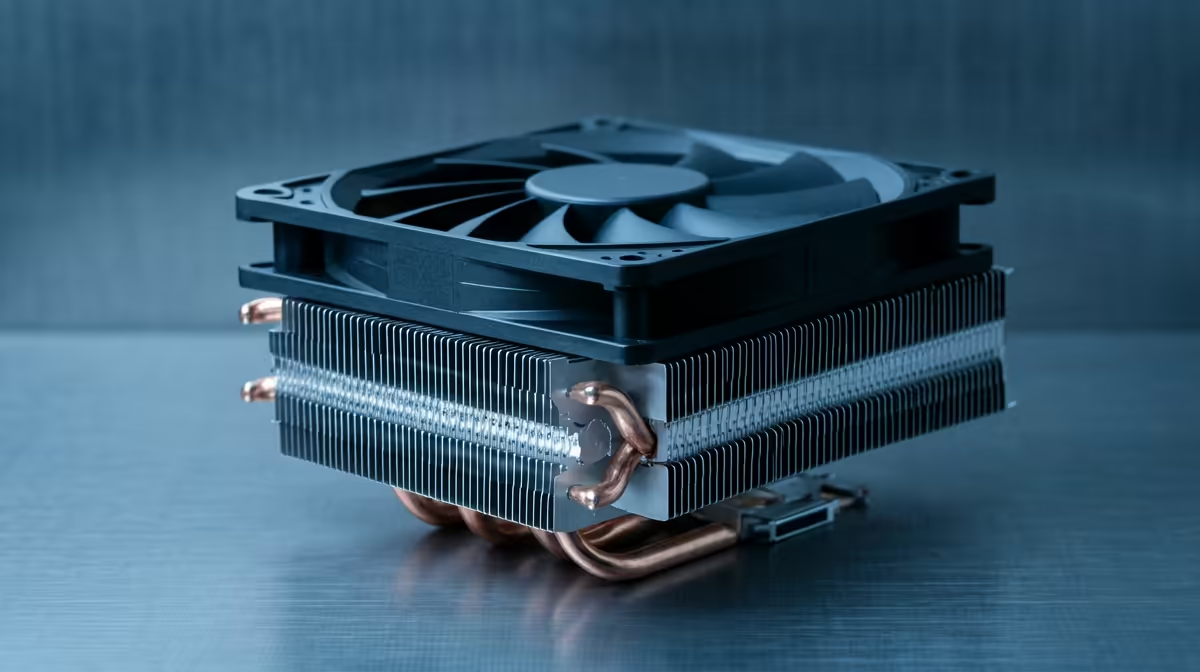
For a backup-and-storage-focused build, the CPU cooler matters most for keeping a quiet, always-on system cool, not for raw speed. A quiet 120mm tower around R650 to R900 keeps a low-power Ryzen 5 7600 or Core i5-14400F cool during long backup jobs at under 30dBA; prioritise low noise and reliable bearings over maximum cooling.
What Matters In A Storage Server Cooler
A backup or NAS-style PC runs continuously and rarely loads the CPU hard, so peak cooling is not the goal. What matters is quiet, durable operation: a 120mm tower with a low-noise PWM fan and bearings rated for tens of thousands of hours. It keeps the chip cool during overnight backups and parity checks without a loud fan disturbing a bedroom or home office. The cooler protects long-term reliability, which is the whole point of a backup box.
Sizing It Right For Low Loads
Because backup workloads are light on the CPU, a modest cooler suffices; an AIO is overkill and adds a pump that can fail on a 24/7 box. Pick a simple, robust air cooler rated above your CPU's TDP with margin so the fan stays slow and quiet. Good case airflow over the drives matters as much as CPU cooling here, so do not forget intake fans for the storage bays.
FAQ
Do I need a big cooler for a backup PC?
No. Backup workloads are light on the CPU, so a quiet 120mm tower is plenty. Spend your attention on quiet, reliable cooling rather than maximum capacity.
Is an AIO a good idea for an always-on server?
Usually not. An AIO adds a pump that can fail over years of 24/7 running. A simple air cooler with no moving parts beyond the fan is more reliable.
What about cooling the storage drives?
Drives need airflow too. Add case intake fans over the drive bays so backups and parity checks do not overheat your storage, which matters more than CPU temperature here.
always-on backup PC, choose a quiet air cooler with long-life bearings and add intake fans over the drive bays for reliable, silent overnight jobs.