Why your PSU is the unsung hero of your build
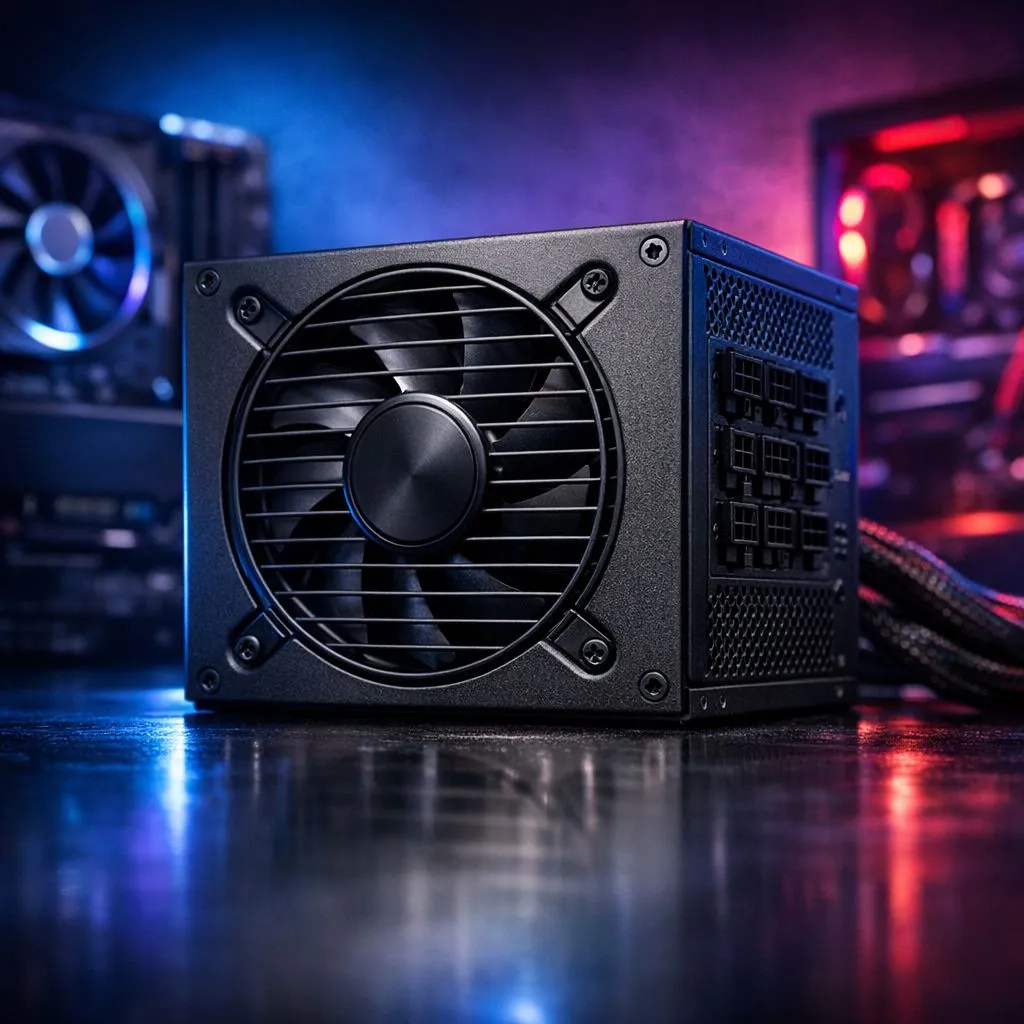
Upgrading your GPU is the fastest way to boost FPS, but if you don't check your PSU first, you're looking at a PC that shuts down faster than Eskom during Stage 6. Don't let a new RTX 40-series card turn into a R20,000 paperweight. Understanding GPU power supply requirements is the most critical step before you hit that buy button on your next upgrade ⚡.
Calculating your GPU power supply requirements
Most gamers only look at the wattage on the box, but that is only half the story. While a mid-range card might suggest a 650W unit, you need to consider the rest of your components. If you are running an overclocked i9 processor and a dozen RGB fans, that 650W limit will be pushed to the breaking point. It is always safer to have a 100W to 150W "headroom" to account for transient power spikes... those tiny moments where a GPU draws way more than its rated TDP during intense gaming scenes.
If you are aiming for a high-end build with maximum stability, browsing the latest Corsair power supply range is a smart move. They are well-known for handling these power spikes without breaking a sweat.
The Wattage Rule of Thumb ⚡
Always check the 'Recommended System Power' on the GPU manufacturer's website. If you plan on upgrading other parts later, add an extra 20% to that number. This ensures your PSU stays in its efficiency sweet spot, usually between 40% and 60% load, which helps with longevity and noise levels.
Efficiency and the 80 PLUS standard
In South Africa, where electricity costs continue to rise, efficiency is not just about heat... it is about your monthly bill. A power supply with a higher efficiency rating converts more AC power from your wall socket into DC power for your components, wasting less as heat. When you are filtering through options, looking for an 80 PLUS efficiency rating ensures you are getting a unit that meets strict energy standards 🚀.
For gamers looking to balance their budget without sacrificing the safety of their new hardware, GAMDIAS power supplies offer excellent value. They provide the necessary protection features like Over Voltage Protection (OVP) and Short Circuit Protection (SCP) which are non-negotiable for any modern gaming rig.
Connectors and modern GPU standards
The latest generation of graphics cards has introduced the 12VHPWR connector. If you are buying a high-end Nvidia card, you need to ensure your PSU either comes with this cable or that you have enough PCIe 8-pin slots to use an adapter. Using "daisy-chained" cables... where one cable splits into two connectors... is a recipe for disaster on high-draw cards. Always use separate, dedicated cables for each power port on your GPU to ensure stable current delivery ✨.
Ready to Power Up Your Play?
Don't let an outdated PSU hold back your performance or risk your expensive new hardware. Whether you need a Gold-rated beast or a reliable budget-friendly unit, we have the stock to keep you running. Explore our massive range of power supplies and find the perfect match for your next GPU upgrade.