Is your gaming PC starting to sound more like a jet engine than a high-tech rig? Before you blame lag or your ISP, look at your temps. Dust is the silent performance killer for South African gamers, clogging fans and choking components. A good clean doesn't just make your PC look better; it makes it run cooler, faster, and quieter. This guide will show you exactly how to clean your PC for peak performance. 🚀
Why a Clean PC is a Faster PC
Think of dust as a tiny, fluffy blanket suffocating your expensive hardware. Your CPU, GPU, and RAM generate a lot of heat, and the fans and heatsinks are designed to dissipate it. When they're covered in dust, they can't do their job.
This leads to:
- Thermal Throttling: Your components get too hot and automatically slow down to prevent damage. This means lower frame rates in games and slower performance in apps.
- Increased Noise: Your fans have to spin much faster (and louder) to try and cool things down.
- Reduced Lifespan: Constant high temperatures can shorten the life of your precious components.
Learning how to clean your PC properly is one of the best and cheapest ways to maintain your investment.
Your Essential PC Cleaning Toolkit
You don't need a fancy workshop to get this done. Here’s a simple list of must-haves for a thorough PC cleaning process:
- Can of Compressed Air: The number one tool for blasting dust out of tight spaces.
- Isopropyl Alcohol (90%+): Perfect for cleaning thermal paste residue or stubborn grime.
- Microfibre Cloths: Soft, lint-free cloths for wiping down surfaces without scratching them.
- Cotton Swabs: Great for getting into small nooks and crannies.
- Optional: Anti-Static Wrist Strap: A good safety measure to prevent static discharge from damaging components.
A Step-by-Step Guide to Cleaning Your PC 🔧
Ready to get hands-on? Follow these steps for a safe and effective clean.
Step 1: Power Down and Prep
Safety first! Completely shut down your computer through the operating system. Turn off the power supply unit (PSU) using the switch at the back, and then unplug it from the wall. Disconnect all other cables (USB, display, etc.). Move your PC to a well-ventilated area, preferably not on a carpet.
Step 2: The Exterior and Dust Filters
Start with the easy part. Wipe down the outside of your case with a slightly damp microfibre cloth. Most modern cases have removable dust filters—usually at the front, top, and bottom (for the PSU). Slide or pop them out and give them a good wipe or a blast with compressed air. It's amazing how much they catch! Even the best budget gaming PCs benefit immensely from a quick filter clean-out.
Step 3: Inside the Beast
Now, open your side panel. With the case open, take your can of compressed air and, using short, controlled bursts, blow the dust out. Start from the top and work your way down. Focus on:
- Case Fans: Blow dust off the blades and out of the housing.
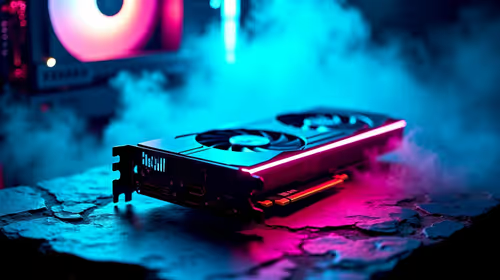
- Heatsinks: The fins on your CPU cooler and GPU are dust magnets.
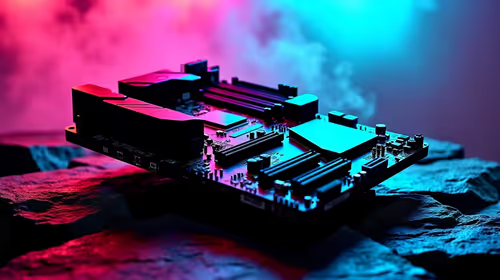
- Motherboard: Gently blow dust off the surface.
- PSU: Blow air through the grille to clear out the power supply fan.
Pro Cleaning Tip ⚡
When using compressed air on fans (case, CPU, or GPU), gently hold the fan blades with your finger to stop them from spinning. Forcing them to spin too fast with compressed air can damage the fan's motor or bearings.
Step 4: Tidying Up
Once the major dust bunnies have been evicted, you can use a dry microfibre cloth to wipe down any larger, flat surfaces inside, like the top of the PSU shroud. This is also a great time to check your cable management. Tidy cables not only look better but also improve airflow. Many of our pre-built PC deals come with professional cable management, making this step a breeze.
How Often Should You Clean Your Gaming PC?
The ideal frequency for cleaning your PC depends on your environment.
- Average User (Clean Room, No Pets): A light clean every 6-12 months is usually fine.
- Pet Owners or Smokers: You'll likely need to do a more thorough clean every 3-6 months.
For most builds, including popular PCs under R20k, a quick check-up every six months is perfect. More powerful systems, like high-end PCs above R20k with AIO coolers and multiple fans, might benefit from more frequent filter cleaning to maintain optimal thermals.
When a Clean Isn't Enough ✨
Sometimes, even after a meticulous clean, your PC might still feel sluggish. If you've done a full PC cleaning and your frame rates are still dropping or programs are slow to load, it might be a sign that your hardware is showing its age. Components evolve, and games get more demanding. If your rig is struggling to keep up, it might be the perfect time to explore an upgrade. Checking out the best gaming PC deals could be the first step toward your next big performance leap.
Ready for a Real Performance Upgrade?
A clean PC is a happy PC, but nothing beats the thrill of brand-new hardware. If dust wasn't the only thing holding you back, explore our massive range of custom-built and pre-built PCs to find your next powerhouse.
Browse All Evetech PC Deals