

Clean Gaming Keyboard: Guide for Dusty & Humid Conditions
Clean gaming keyboard quickly and safely in dusty or humid conditions with step-by-step tips, tool checklist, and maintenance routines to prevent corrosion and switch failure. 🧼💨
Read moreDiscover the best streaming PC cooling in South Africa to prevent thermal throttling and lag. From innovative AIOs to silent air coolers, we explore top solutions available at Evetech to keep your stream smooth and your components safe. ❄️ Level up your setup today!
You're live. The final squad is pushing, your chat is popping off, and suddenly… your stream stutters. Your frames drop. Is it the Wi-Fi? Nope. Your PC is overheating, turning your epic win into a laggy mess. Effective streaming PC cooling in South Africa isn't just a nice-to-have; it's a non-negotiable part of broadcasting, especially during our legendary summer heatwaves. Let's dive into keeping your rig frosty. 🥶
When you stream, you're asking your computer to do two incredibly demanding jobs at once. Your Graphics Card (GPU) is rendering the game at high frame rates, while your processor (CPU) is simultaneously encoding that gameplay into a video format for Twitch or YouTube. This double-duty generates a massive amount of heat.
This intense workload is why a standard office PC would buckle under the pressure. Even many modern pre-built gaming PCs need their cooling scrutinised to handle the unique demands of streaming. Without the right cooling solution, your components will "thermal throttle"—a safety feature where they slow down to prevent damage, causing those dreaded frame drops.
Choosing the right cooler is the most critical step in managing your streaming PC's temperatures. In South Africa, your choice between air and liquid often comes down to budget, performance needs, and the components you're trying to cool.
An air cooler uses a metal heatsink with fins to draw heat away from the CPU, and a fan to blow that heat away.
All-In-One (AIO) liquid coolers use a closed loop of liquid to transfer heat from the CPU to a radiator, where fans then dissipate it.
Your fancy CPU cooler won't work well if it's suffocating. Ensure your PC case has good airflow. A mesh front panel is ideal. Aim for "positive pressure" by having slightly more intake fans (pulling cool air in) than exhaust fans (pushing hot air out). This helps keep dust out and ensures a constant supply of cool air for your components.
Great streaming PC cooling is about more than just the CPU cooler; it's a total system approach. Your PC case is your first line of defence. Look for cases with mesh front panels that allow for maximum air intake.
Next, consider your fan configuration. A simple setup with two intake fans at the front and one exhaust fan at the back can make a world of difference. Proper cable management isn't just for looks, either—tidying up cables improves airflow significantly. Whether you're building with the latest components or looking at customisable AMD Ryzen PCs, a little planning goes a long way to ensure your rig runs cool and quiet, letting you focus on your content. ✨
Ready to Build a Rig That Won't Sweat? A cool PC is a fast, reliable streaming PC. Stop thermal throttling from ruining your broadcast. Explore our range of custom-built PCs and configure a machine that stays frosty under pressure.
For streaming PCs, AIO liquid coolers often provide superior thermal performance for high-end CPUs, keeping temps lower under load. However, high-end air coolers are quieter and very reliable.
A good CPU temperature while streaming should ideally stay below 80-85°C. Consistently higher temps can lead to thermal throttling, reducing your PC's performance and stream quality.
To stop an overheating streaming PC, ensure you have adequate case airflow, clean dust filters regularly, and consider upgrading to a more powerful CPU cooler like an AIO or a large air tower.
Yes, having at least two intake and one exhaust fan is recommended. Good case airflow is crucial for removing hot air generated by the CPU and GPU during long streaming sessions.
Absolutely. Noctua is renowned for its silent pc cooling solutions. Their air coolers offer exceptional performance with very low noise levels, making them a top choice for streamers.
Custom loop cooling offers the best possible thermal performance, allowing for significant overclocking. It also provides a unique aesthetic, perfect for streamers who want to showcase their rig.
Clean gaming keyboard quickly and safely in dusty or humid conditions with step-by-step tips, tool checklist, and maintenance routines to prevent corrosion and switch failure. 🧼💨
Read more
Best gaming keyboard features to prioritize when building a high-end setup: mechanical switches, low latency, hot-swap, RGB, macros, durability and ergonomics 🎮⌨️
Read more
Custom actuation point keyboard setup guide: learn to set per-key actuation on your analog gaming keyboard for faster, precise inputs and better control 🎮⚙️
Read more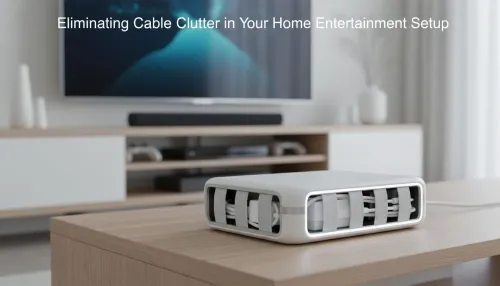
Cable management for home entertainment helps you eliminate cable clutter quickly and safely. Learn routing, concealment, and product picks to tidy your setup fast 📺🔌
Read more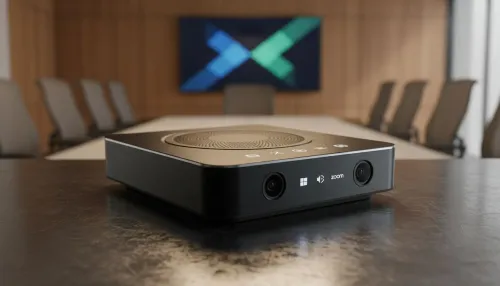
conference room setup Microsoft Teams Zoom: Upgrade AV, camera, mic, and network to ensure seamless meetings, clear audio, and crisp video 🎯🔧
Read more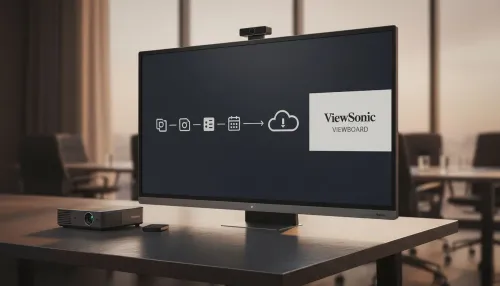
• Audit setup • Link accounts • Configure ViewBoard • Test workflows Integrate Google Workspace with ViewSonic ViewBoard to enable secure SSO, calendar and Drive sync, and smooth collaborative whiteboarding 🔗📋
Read more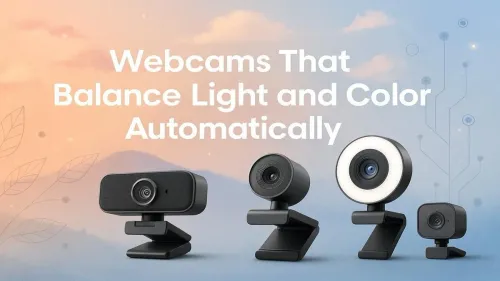
Discover webcams that automatically adjust light and color for crystal-clear video calls 🎥✨. Boost your streaming quality today!
Read more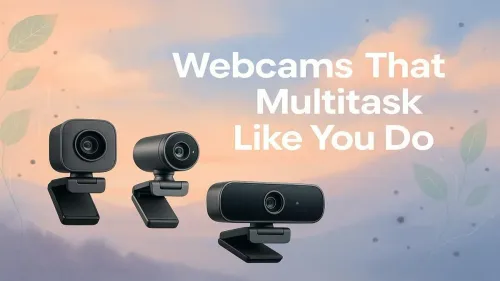
Discover webcams that blend into your workflow 🎯 Capture moments while you work, stream, or create. Upgrade your setup with smart, multitasking tech!
Read more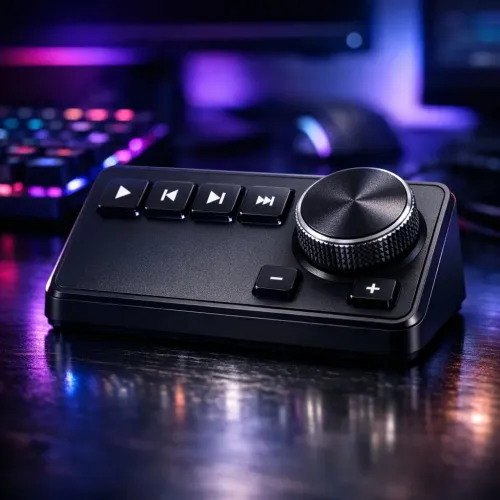
Dedicated media keys give streamers one-touch control to mute, switch scenes, clip highlights, and adjust audio — cutting task time and boosting consistency 🎛️⚡
Read more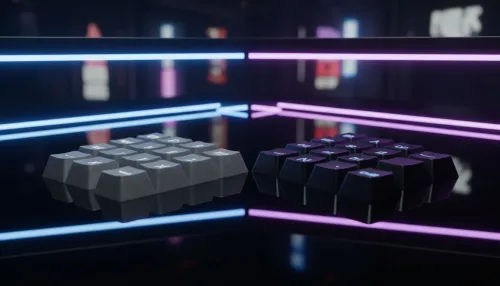
PBT vs ABS keycaps: Clear, local guide for South African gamers—compare feel, sound, durability and where to buy. Find the best material for your budget and playstyle 🎮🇿🇦
Read more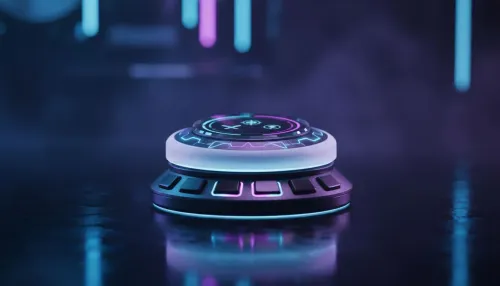
- Multi-Function Digital Dial: define benefits - Show gamer setups and macros - Offer buying and setup tips Multi-Function Digital Dial puts programmable control at your fingertips for faster actions and smoother streaming. 🎮⚙️
Read more
- Explain benefits; - Show the science; - Compare options; - Recommend picks. Magnetic wrist rest for gaming cuts wrist strain and boosts comfort during long sessions 🕹️✨
Read more