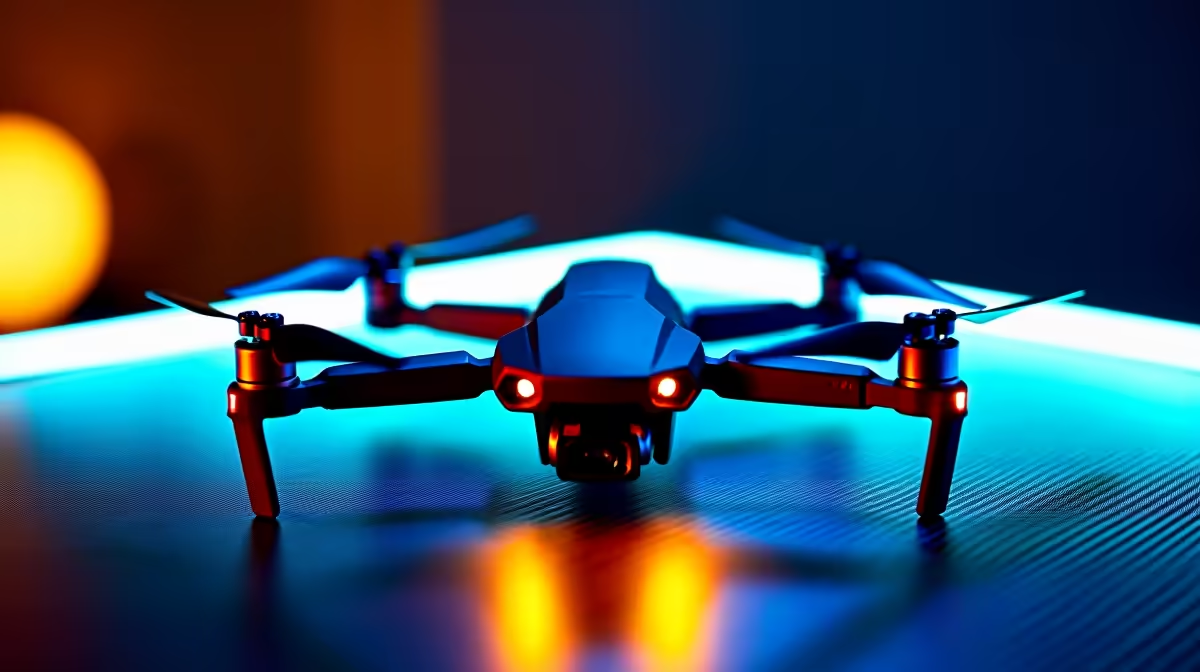
DJI's consumer drone range heads into 2026 looking remarkably stable, built around three machines that cover almost every flyer's needs. The DJI 2026 drone lineup centres on the Mini 5 Pro, the Air 3S, and the Mavic 4 Pro, and rather than forcing new purchases, recent firmware updates have kept all three competitive. The result is a clean three-tier ladder where the right pick depends on weight rules, camera ambition, and budget.
Quick Answer
The DJI 2026 lineup is three drones: the Mini 5 Pro for portability and lighter regulations, the Air 3S for the best all-round balance, and the Mavic 4 Pro as the flagship for serious imaging. Firmware updates have kept each model current, so the choice is about your needs, not chasing the newest hardware.
How the three tiers break down
DJI has settled into a sensible ladder. The Mini 5 Pro anchors the entry, the Air 3S sits in the middle as the do-everything choice, and the Mavic 4 Pro tops the range for creators who want the most capable camera system. Each step up adds sensor size, flight performance, and price, so you are buying up the ladder rather than picking between scattered options.
What makes 2026 unusual is the stability. Instead of a forced annual refresh, DJI has pushed firmware improvements to the existing trio, which means a drone bought recently stays relevant. For buyers, that lowers the pressure to upgrade just to stay current. The broader smart home and connected-device range at Evetech sits alongside this kind of gear if you are kitting out a wider setup.
DJI Mini 5 Pro: light, legal, and portable
The Mini 5 Pro's headline advantage is weight. By staying in the sub-250g class, it sidesteps the heavier registration and licensing requirements that larger drones face in many regions, which makes it the easiest entry for new pilots. It folds down small enough to live in a daypack, so it is the one you actually carry on a trip.
Despite the size, the Pro designation means it punches above a basic beginner drone, with strong stabilised video and obstacle awareness. For travel, hiking, and casual content where portability and simpler rules matter most, the Mini 5 Pro is the natural pick.
DJI Air 3S: the all-rounder most people should buy
The Air 3S is the sweet spot of the lineup. It carries a larger sensor than the Mini for better low-light performance and image quality, adds more robust obstacle sensing, and flies with the stability you want for confident longer-range work, all without crossing into flagship pricing.
For the majority of enthusiasts and semi-professional shooters, the Air 3S does everything they need. It is the drone to recommend when someone is unsure, because it rarely leaves you wishing you had stepped up or wishing you had saved money. If you want a quick sense of which accessories SA buyers pair with their gear, the accessories best sellers list is a handy reference.
DJI Mavic 4 Pro: the flagship for serious imaging
The Mavic 4 Pro is for creators whose output justifies the top tier. It brings the most advanced camera system in the consumer range, the best dynamic range and detail, and the flight performance to match demanding professional and high-end hobby work. It is larger and pricier, and it sits firmly in licensing territory, so it suits pilots who already fly seriously.
If your work is paid, or you simply want the best image quality DJI offers a consumer, the Mavic 4 Pro is the answer. For everyone else it is more drone than the job needs.
Frequently Asked Questions
Which DJI drone is best for a beginner in South Africa?
The Mini 5 Pro is the easiest start because its sub-250g weight keeps it out of the heavier registration requirements, and it folds down to travel anywhere. It still offers Pro-level stabilisation for clean footage.
Do I need to buy a new DJI drone in 2026?
Not necessarily. DJI has kept the Mini 5 Pro, Air 3S, and Mavic 4 Pro current through firmware updates, so a recently bought model from this trio remains competitive without a fresh purchase.
What is the difference between the Air 3S and the Mavic 4 Pro?
The Mavic 4 Pro carries a more advanced camera system with better dynamic range and detail, plus stronger flight performance, at a higher price. The Air 3S offers most of the practical capability for far less, making it the better all-round value.
Why does the Mini 5 Pro avoid stricter drone rules?
Because it weighs under 250g, it falls below the threshold that triggers heavier registration and licensing in many regions. That weight class is the main reason it is the simplest drone to fly legally as a newcomer.
Choosing your next drone from DJI's 2026 lineup? Explore the drones and smart connected gear at Evetech to match the Mini 5 Pro, Air 3S, or Mavic 4 Pro to your flying goals, and check the accessories best sellers for spare batteries and cases.