Competitive PC players ask one question before a new keyboard: will this board change my results, or just change how it looks on the desk? An analog TKL can change results in a narrow way, mainly through depth control, rapid trigger and the SOCD rule. Whether that matters to you depends on your game, your habits and how much practice time you are willing to give the settings. The answer is usually clearer after a short test than after reading a spec list.
Quick Answer
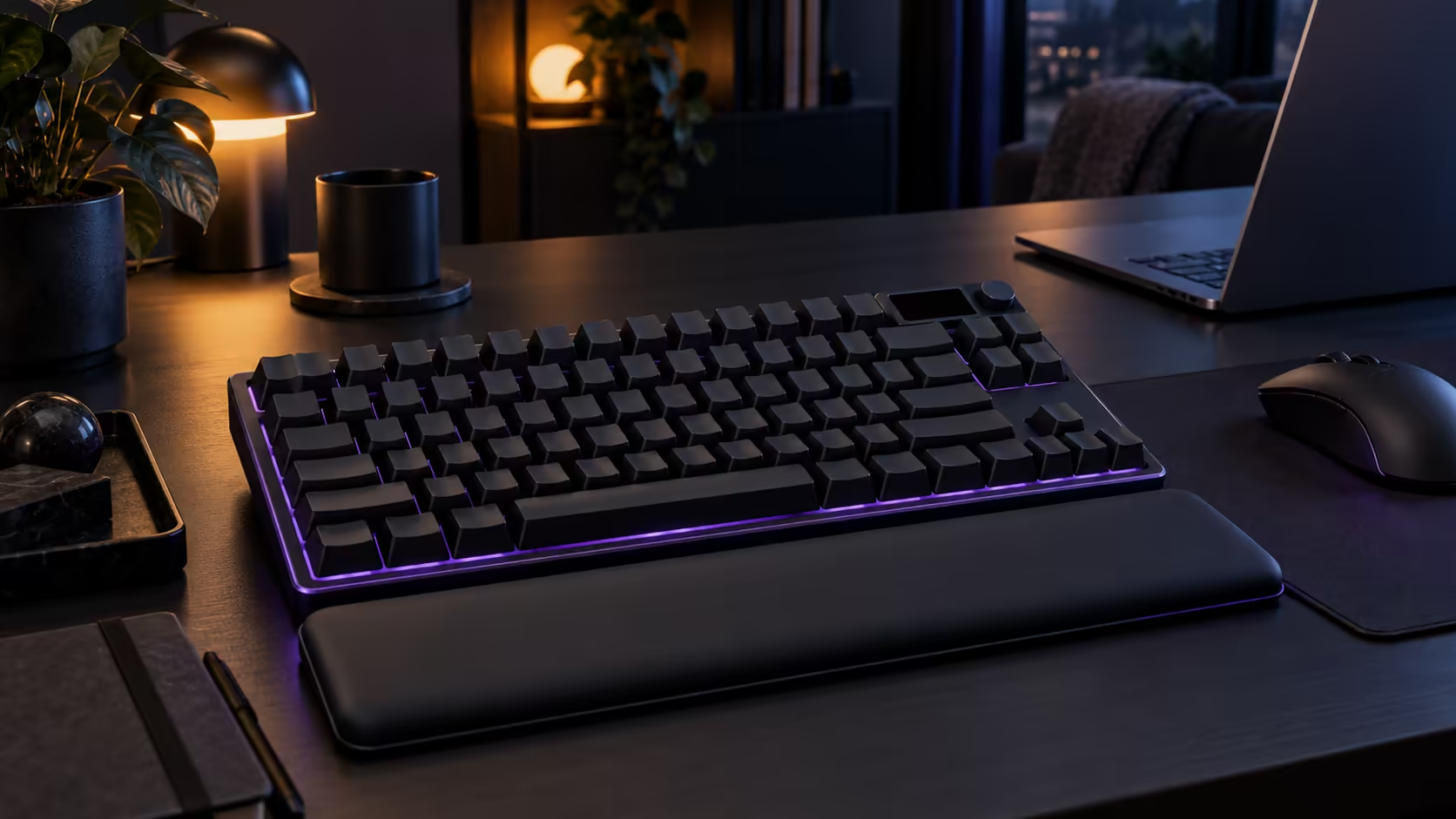
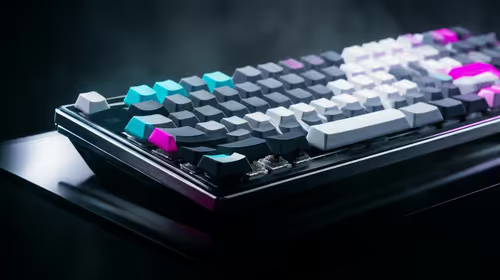
An analog TKL pays off in competitive PC gaming when adjustable actuation and rapid trigger matter to your game. The G PRO X2 RAPID TKL pairs both with a tenkeyless layout, at R3,999 including VAT. If your competitive play is mostly shooters and you are willing to test the settings, the board is a reasonable choice, and if not, a simpler option may serve you better.
🏁 When the tuning features help
Competitive PC games reward consistency more than anything else. Adjustable actuation lets you set the press point to a depth you can repeat, and rapid trigger lets a quick tap register again without delay. Those two settings matter most in fast shooters, where a missed or doubled input can cost a round.
They matter less in games that rely on slower decisions, where a shallow press point gives no real edge. If your main title is one of those, the board still works well, but the analog features will not be the reason you win or lose.
📐 Setting the board in a single evening
Start with depth. Depth on the board stretches from 0.1mm to 4mm at 0.05mm intervals, so begin near 2mm and try a handful of values in a practice map. Nudge it by 0.05mm at a time until your presses feel repeatable, and avoid jumping to an extreme.
Then test rapid trigger by tapping one key twenty times and logging the registered taps. Finish with the SOCD rule by running a short strafe test. Three short tests, one evening, and you have a board tuned to your hands.
🧩 A TKL layout for a crowded desk
Dropping the numpad frees roughly 9cm of desk width against a full-size board. For competitive players that space lets the mouse move in a shorter arc. In a small room, the difference is often the thing that makes the desk feel workable.
If you need a numpad for work, the layout is the trade-off. A competitive player who only games does not need the keypad, and the room it frees is an advantage.
🔇 Build and comfort for long sessions
Long matches expose a poor build quickly. Its 6-layer dampening cuts the hollow ring of each press, and the build adds stabilisers that screw in plus a silicone palm rest. A quieter board is easier to live with in a shared room, and a stable build helps the long keys feel the same from the first match to the last.
To browse the analog boards we sell, open the gaming keyboards category. The keyboard best sellers page shows which models other players pick.
Frequently Asked Questions
Does an analog keyboard give a competitive edge?
It can, in games where depth and reset matter. The gain comes from settings you test and repeat, not from the switch type alone.
Is a TKL better for competitive play?
It is better for players who want more room for the mouse. Full-size boards remain the choice for anyone who uses the numpad often.
How long should the tuning take?
Around an evening is enough to set depth, reset and SOCD for a first pass. Refine the values over the next few sessions.
Is R3,999 too much for a competitive keyboard?
It is a significant spend. Weigh it against how often you will use the tuning features in your main game.
Choosing a board for competitive PC play?
Start with the gaming keyboards category and test the settings before you commit.