




Windows printer offline: Check the connection and queue first
Windows printer offline: Cancel a queued document only after confirming it is safe to discard.
Read moreWindows screen brightness not working: An external monitor may use its own physical brightness controls.
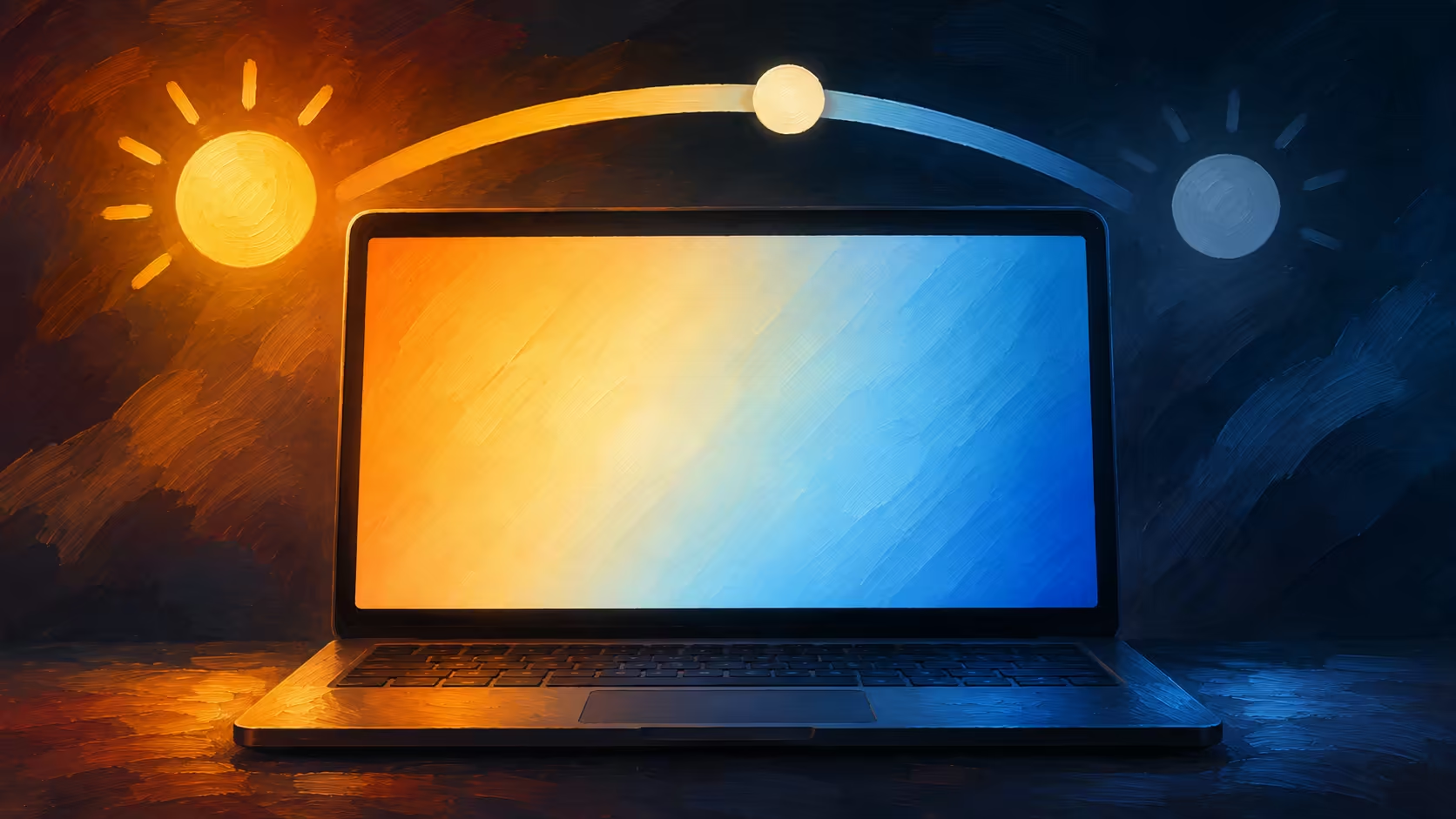
When Windows screen brightness not working stops you adjusting a display, first identify which screen you are controlling. A laptop's built-in panel and a separate desktop monitor may use different controls. That distinction can save a needless replacement or an hour spent looking for a slider that does not control the external screen.
For Windows screen brightness not working, open Settings, System, Display and check the brightness control for the built-in screen. For an external monitor, try the buttons or menu on the monitor itself. If the supported control is missing or fails, check Windows Update and the device maker's display driver guidance before changing hardware.
A laptop connected to a second display has two different pieces of hardware. Test the built-in panel by itself, then check the external monitor's own menu. Note whether the issue is a missing slider, a slider that moves without changing the picture, or a screen that is too dark even when its own control is adjusted.
This information helps you choose a useful next step. A monitor's physical control can affect that monitor while Windows manages a built-in laptop panel. If only one display is affected, avoid applying a broad reset to the whole PC before you have established which connection or device needs attention.
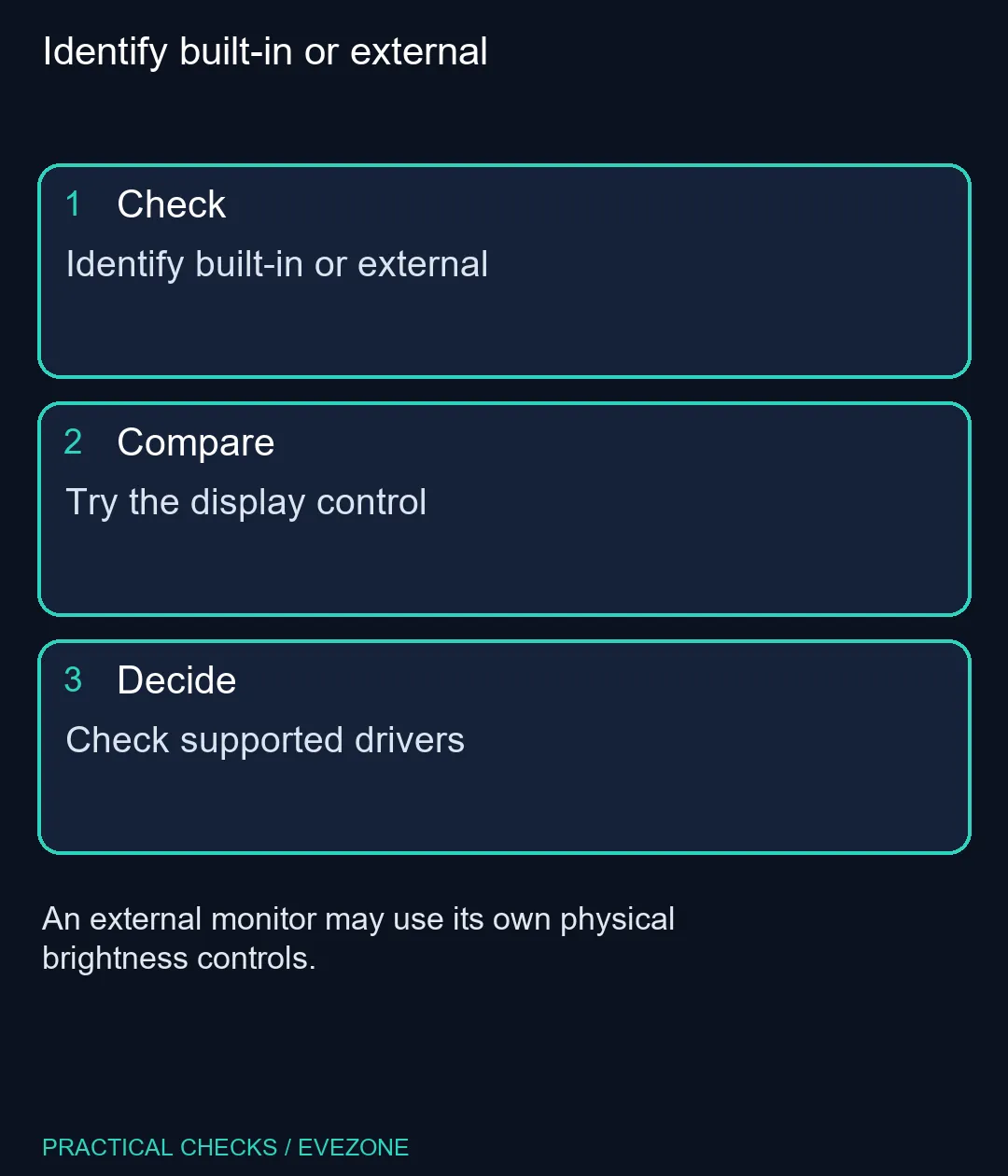
Open the display page in Windows and look for the brightness control. The location and available choices can differ by device. If there is an automatic brightness option, note its original state before testing a change so that you can put it back. Test one adjustment at a time and observe the screen rather than relying on the slider position alone.
Microsoft recommends Windows Update for hardware driver updates and also documents Device Manager. Save your work before an update and use the laptop or monitor maker's instructions for the exact model if a compatible driver is needed. Avoid an unknown driver download advertised as a universal repair. If a work or school machine is managed, involve its administrator before changing restricted settings.
If a screen stays unusably dark outside the normal Windows session or its own controls do not respond, that is useful information for a repair diagnosis. It still does not identify a failed part by itself. Record the model, the affected display and the tests already made before seeking help.
For a separate hardware comparison, the captured ASUS Vivobook Go 15 listing was R8,499. That is not the cost of fixing brightness. Browse all laptops on special or hp laptops if you are considering a replacement for other reasons; first check the settings and support route on the machine you already own.
Check Settings, System, Display for the built-in screen's supported brightness control.
No. A separate monitor may use buttons or its own on-screen menu for brightness.
Use Windows Update and the device maker's guidance for the exact hardware instead.
No. Available controls and drivers also need checking.
Not necessarily. Test the built-in and external displays separately.
No. It is a different laptop listed in the captured catalogue.
Identify built-in or external An external monitor may use its own physical brightness controls.
Check Settings, System, Display for the built-in screen's supported brightness control.
No. A separate monitor may use buttons or its own on-screen menu for brightness.
Use Windows Update and the device maker's guidance for the exact hardware instead.
No. Available controls and drivers also need checking.
Not necessarily. Test the built-in and external displays separately.
No. It is a different laptop listed in the captured catalogue.
Windows printer offline: Cancel a queued document only after confirming it is safe to discard.
Read more
Outlook notifications not working: A notification problem does not necessarily mean that mail is missing.
Read more
Windows screen saver not working: A screen saver and display sleep are separate idle behaviours.
Read more
Windows File Explorer tabs not showing: Tabs depend on the Windows version and installed feature updates.
Read more
Windows touchpad scroll not working: A settings or driver issue is not proof that the touchpad has failed.
Read more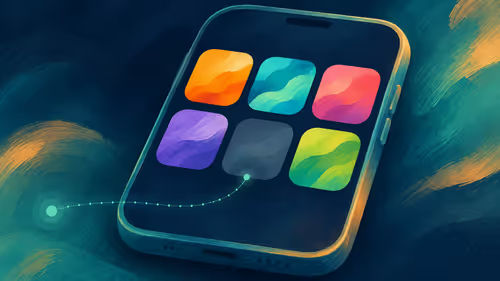
Why some apps are not working on my iPhone: Deleting an app can remove data stored inside it.
Read more
Chrome secure DNS: Encrypted DNS is not a VPN and does not guarantee a working connection. Check browser DNS mode.

AMD Adrenalin 26.11.1: A fixed-issue entry is not proof that every system has the same cause. Record GPU and driver version.

Montech KING 95 3D: Standard and PRO are different packages; fan positions are not included fans. Identify standard or PRO.

Chrome Safety Check reviews browser warnings for updates, saved passwords, extensions and permissions. Act on the precise finding while keeping connection security separate from claims about a website being trustworthy.
Chrome secure DNS: Encrypted DNS is not a VPN and does not guarantee a working connection. Check browser DNS mode.
Chrome Safety Check reviews browser warnings for updates, saved passwords, extensions and permissions. Act on the precise finding while keeping connection security separate from claims about a website being trustworthy.
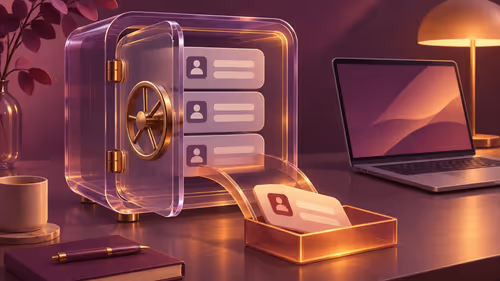
Chrome delete saved passwords removes a stored login through Google Password Manager. Match the site and username, confirm another working sign-in method and use the individual action instead of deleting every saved credential.
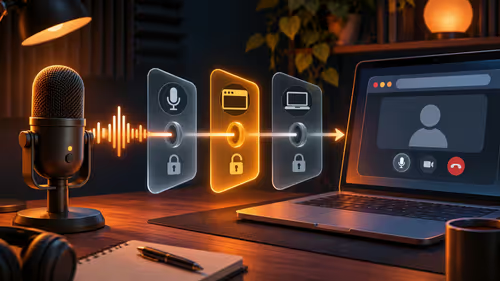
Chrome microphone not working needs separate checks for the selected input, site permission and operating system access. Test the trusted call site after one change before replacing a microphone or granting broader recording permissions.
A dynamic mic uses a moving coil and needs no power, while an electret is a condenser type with a built-in polarised element and a small preamp. Dynamics handle loud sources and noisy rooms. Electrets are small, cheap and common in headsets and laptops.
A Shure MV7 needs a stand or arm that fits its yoke thread and carries its weight. Match the thread, then pick a low-profile arm if you want the mic above a monitor. Check Shure's manual for the exact thread before you buy.
To go live on TikTok, tap the plus button, swipe to LIVE and start, once your account is eligible. TikTok sets its own follower and age rules. A phone mount and mic help most, and a PC needs TikTok's LIVE Studio.
If Windows cannot see a USB microphone, try another port and cable, check Settings, Privacy and security, Microphone, then open Sound settings and make sure it is enabled as the input. A Blue Yeti should appear without extra drivers. Avoid unpowered hubs.