Building a new PC in South Africa? With monster GPUs like the RTX 40-series demanding serious power, your choice of Power Supply Unit (PSU) is more critical than ever. You've likely heard whispers of new standards, and now the ATX 3.1 PSU standard is officially here. But what does it actually mean for your build, your wallet, and your peace of mind? Let's plug in and find out why this update matters. ⚡
Understanding the ATX 3.1 PSU Standard
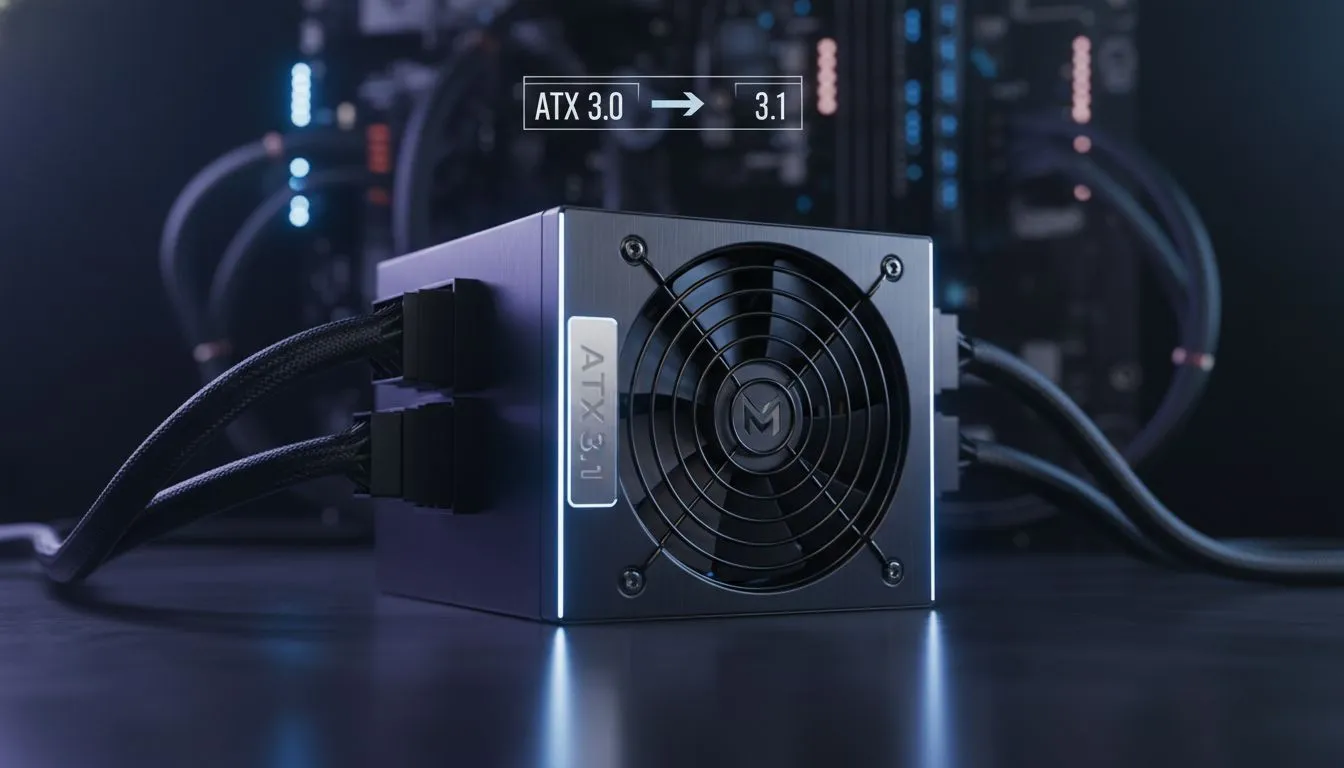
Think of the ATX 3.1 PSU standard as the latest set of rules for PSU manufacturers. It’s not a complete revolution but a smart refinement of the previous ATX 3.0 spec. Its main job? To ensure new power supplies can handle the massive, split-second power spikes (called "transient loads") from modern graphics cards.
When your GPU suddenly goes from idle to full throttle during an intense gaming moment, it demands a huge amount of power instantly. ATX 3.1 ensures your PSU can deliver that power without flinching, leading to a more stable and reliable system. It’s all about creating a stronger foundation for the powerful components we love.
Key Upgrades in the ATX 3.1 Specification
So, what's actually different? While the changes are subtle, they are focused on safety and reliability. The ATX 3.1 PSU standard introduces two key improvements that directly benefit PC builders.
The New 12V-2x6 Connector: A Safer Power-Up
Remember the chatter about the 12VHPWR connector? The new 12V-2x6 connector is its direct successor, designed to fix its predecessor's main flaw. It features slightly shorter sense pins, which is a clever bit of engineering. This means your graphics card will not power on unless the cable is fully and securely plugged in. This simple mechanical change drastically reduces the risk of a poor connection, offering much-needed peace of mind. 🔧
Tighter Specs for Better Performance
The update also refines some technical requirements, like how quickly a PSU must provide power when it's switched on. While this might sound minor, it contributes to overall system stability. Top-tier brands are already adopting these changes, ensuring their latest models meet the strict new requirements. You can see this in many of the latest Corsair power supplies hitting the market, which are built for next-gen performance.
Why the ATX 3.1 PSU Standard Matters for Your Next Build
Okay, let's get to the real question: do you need an ATX 3.1 PSU for your next build?
If you're building a high-end rig with a new NVIDIA RTX 40-series card (or whatever comes next), the answer is a definite yes. It's the best way to ensure maximum safety, stability, and future-proofing for your expensive new components.
For mid-range builds or those not using the new power connector, an ATX 3.0 PSU is still a fantastic and perfectly safe choice. The good news is that the industry is moving forward together. It's not just the premium brands; value-focused manufacturers are also bringing ATX 3.1 and 3.0 compliant units to the table, like the options you'll find from trusted brands like GAMDIAS.
PSU Wattage Wisdom 💡
Always choose a PSU with a slightly higher wattage than your build technically needs. If your components add up to 650W, an 850W PSU is a great choice. This gives you headroom for future upgrades and allows the PSU to run cooler and more efficiently in its optimal power range, which can even save you a few Rands on your electricity bill over time.
The Verdict: Is an ATX 3.1 PSU Worth It in South Africa?
Ultimately, the ATX 3.1 PSU standard is a positive step forward. It’s an intelligent update that makes high-performance PC building safer and more reliable. While it might not be an essential upgrade for every single person right now, it is the clear choice for anyone investing in a new, powerful gaming PC. ✨
A quality PSU is a long-term investment in your entire system's health. Whether you choose a unit based on the ATX 3.0 or the newer 3.1 standard, always prioritise a good efficiency rating. Choosing from a range of 80 PLUS certified power supplies ensures you're getting clean power and not wasting electricity.
Ready to Power Up Your Build?
The ATX 3.1 PSU standard is all about building a stable, safe, and future-proof rig. Don't let your power supply be an afterthought. Explore our wide range of certified power supplies and find the perfect heart for your new PC today.