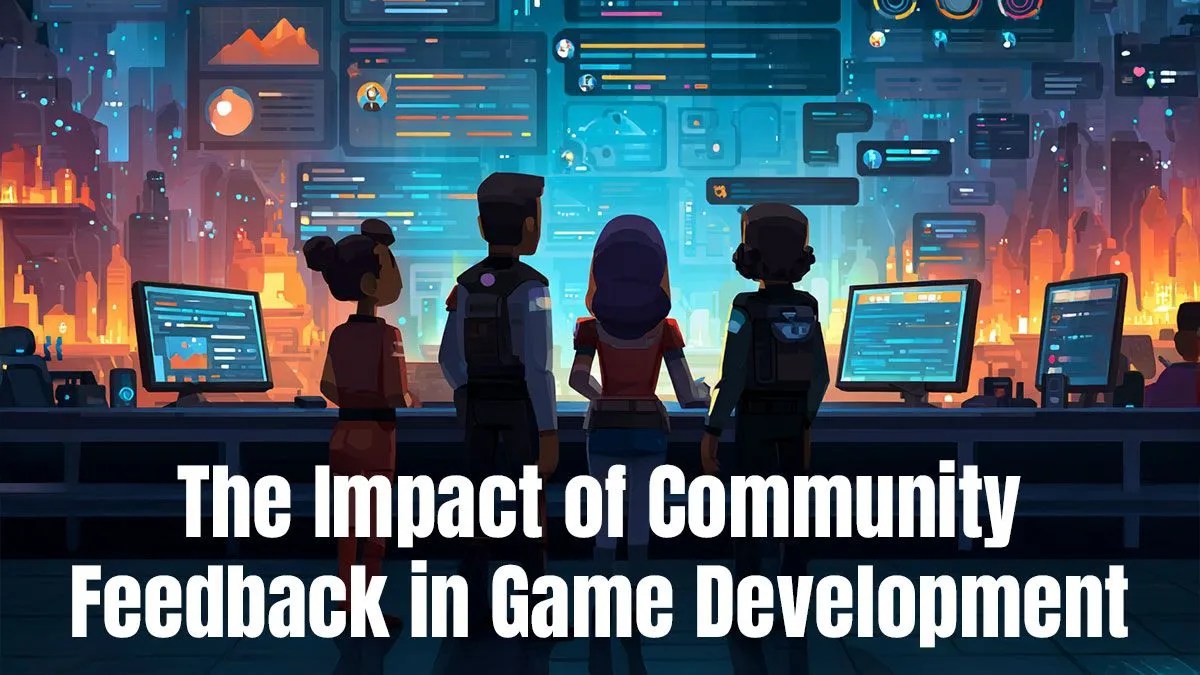
Ever screamed at your screen, wishing the developers could hear your brilliant idea to fix that broken mechanic? Good news, they probably can. In today's hyper-connected world, the wall between gamer and creator is crumbling. How community feedback transforms game development is no longer a hopeful fantasy; it's a core pillar of modern game design, turning player passion into tangible, in-game reality. Let's dive into how your voice is shaping the games you love. 🚀
From Forum Rants to Direct Development Channels
Remember the old days? Your best hope for influencing a game was a strongly worded letter to a magazine or a post on a clunky, forgotten forum. Feedback was slow, scattered, and often felt like shouting into the void.
Today, the landscape is completely different. The rise of live-service games and early access platforms like Steam has created a constant, flowing dialogue. Developers now have dedicated Discord servers, active subreddits, and in-game reporting tools. This shift means player feedback in game design isn't just an afterthought; it’s a real-time resource that studios use to patch, polish, and perfect their creations. This direct line of communication is crucial for a game's long-term health and success.
How Community Feedback Transforms Game Development in Practice
So, how does a suggestion from a gamer in Gauteng actually end up as a feature in a global blockbuster? It happens in several key ways, moving from raw data to deployed code. The process shows how gamer influence on games has become a structured part of the industry.
Balancing, Bugs, and Quality of Life
No internal QA team, no matter how skilled, can match the collective power of millions of players. When a new patch drops, the community becomes a massive, unofficial testing ground.
- Balance Issues: Is a new weapon too overpowered? Is a certain character's ability useless? Players will discover and report these imbalances within hours, providing invaluable data that helps developers deploy hotfixes.
- Bug Squashing 🐛: From game-breaking glitches to minor visual bugs, the community is the first line of defence. Detailed reports, complete with video clips, help devs pinpoint and crush bugs far quicker than they could alone.
- Quality-of-Life (QoL) Tweaks: Sometimes it’s the small things. Players might suggest a streamlined inventory UI, a "sell all junk" button, or better colour-blind options. These small, community-driven improvements make a massive difference to the daily playing experience.
Make Your Feedback Count
Want developers to notice your suggestions? Be constructive, not just critical. Instead of saying "This gun is trash," try explaining why: "The recoil on the new rifle feels too high compared to its damage output, making it unviable in mid-range fights." Specifics are always more helpful!
Shaping New Content and Features
Beyond just fixing what's broken, player feedback actively builds what's next. The most successful developers treat their community as a creative partner.
Think about the incredible journey of Baldur's Gate 3. Its lengthy Early Access period was a masterclass in community-driven development. Larian Studios constantly polled players, analysed feedback on new acts and classes, and tweaked everything from dialogue options to combat encounters based on what the community was saying. This collaborative process is a huge reason why the final game felt so polished and deeply satisfying. It’s a prime example of how players shape games from the ground up. ✨
The Challenge of Listening to Everyone
Of course, using community feedback isn't always straightforward. Developers have the tough job of separating constructive criticism from the general noise of the internet. A vocal minority on Reddit or Twitter might not represent the feelings of the silent majority of players.
This is where data analytics comes in. Studios will often weigh passionate forum threads against hard in-game data. Are players complaining about a certain mission being too hard, but the data shows a 95% completion rate? The devs might conclude that the difficulty is actually in a good spot. It’s this blend of qualitative feedback and quantitative data that truly shows how community feedback transforms game development in a sustainable way.
Ready to Experience Games Shaped by Players?
These constantly evolving, community-driven worlds demand a rig that can keep up with every patch and graphical update. Ensure you're playing without compromise by exploring our range of powerful Gaming PCs at Evetech.