Ever found yourself fumbling in the dark behind your desk just to plug in a simple thumb drive? We have all been there. While we often obsess over GPUs and CPUs, the front panel is the part of your PC you actually interact with daily. Understanding front I/O ports explained: what to look for beyond USB is essential for a seamless desktop experience in South Africa. 🔧
Why Front Panel Connectivity Matters for Gamers
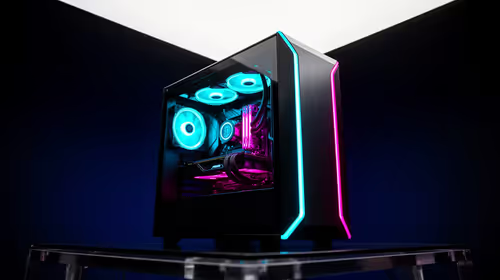
Your chassis is more than just a box for your components. It is your primary interface for peripherals. High-quality computer cases provide easy access to high-speed data and audio without requiring a torch and a flexible spine. When you are mid-raid or rushing to finish a project, that front-facing port is a lifesaver.
The Rise of Type-C and High-Speed Data
Most modern cases offer standard USB Type-A ports, but the real value lies in USB-C. Many premium options, like Fractal Design PC cases, now feature dedicated USB 3.2 Gen 2 Type-C ports. These allow for blistering transfer speeds and easy charging for your phone or modern peripherals. If your motherboard supports it, having this port on the front panel is a massive convenience.
Internal Header Check ⚡
Before buying a case with a front USB-C port, check if your motherboard has a 'Type-E' internal header. Without this specific connection on your board, that fancy front-panel port will remain non-functional. It is a common mistake that can lead to a very frustrating build day.
Beyond Data: Audio and Control Buttons
It is not just about USB. The front I/O panel often houses your audio jacks. You will generally see two configurations: a single combined 3.5mm jack or separate headphone and microphone ports. If you use a dedicated gaming headset with a splitter, ensure your case matches your gear.
Additionally, many brands like Gamdias gaming cases integrate dedicated LED or RGB toggle buttons directly into the I/O. This allows you to cycle through your favourite colours without needing to open bloated software on your Windows desktop. 🌈
Finding Value Without Compromise
You do not need to spend a fortune to get decent front-panel access. There are fantastic gaming cases under R1500 that still offer USB 3.0 and sturdy power buttons. When shopping in this price bracket, look for "dust boots" or covers. These small rubber inserts keep our South African dust out of your ports... extending the life of your hardware.
Looking for the Reset Button
It sounds old-school, but a dedicated reset button is still vital for enthusiasts. When an overclock fails or a driver crashes, a physical reset button saves you from reaching for the power cable. Some modern cases have replaced this with a dedicated RGB button... so check the specs if you prefer the classic functionality. 🚀
Ready to Find Your Perfect Match?
Choosing the right case is about more than just looks... it is about how you use your PC every day. From high-speed USB-C to integrated RGB controls, we have the perfect chassis for your next build. Explore our massive range of computer cases and find the perfect machine to conquer your world.