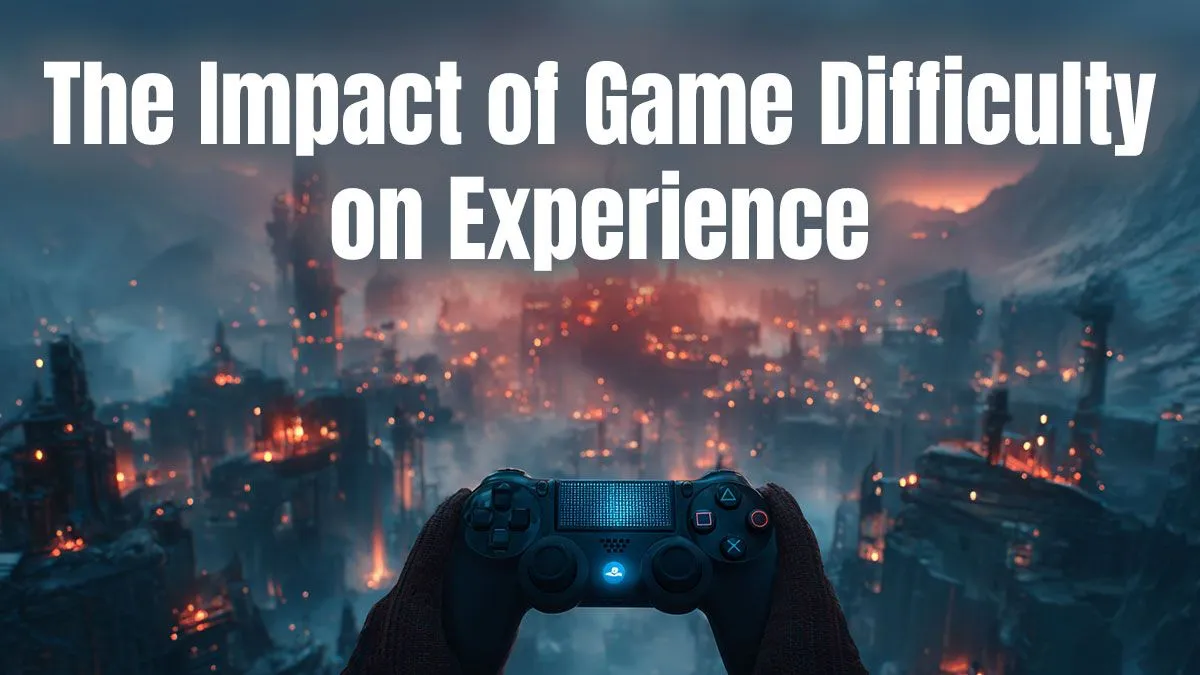
Ever stared at the difficulty screen, finger hovering between 'Story' and 'Nightmare'? It's a bigger choice than you think. In South Africa, where our gaming time is precious, getting it wrong can ruin a weekend. The game difficulty impact on experience isn't just about bragging rights; it's about tailoring your digital escape to perfection. Are you here for the plot, the punishment, or something in between? Let's dive in. 🧠
Understanding the Psychology of Your Choice
Choosing the right game difficulty is a deeply personal decision that shapes your entire playthrough. It’s the difference between a relaxing power fantasy and a controller-gripping test of will. Developers spend countless hours balancing these settings to cater to different players, because they know how difficulty affects gaming engagement on a fundamental level.
Think of it as finding your "flow state." Too easy, and you get bored, scrolling through your phone during cutscenes. Too hard, and you get frustrated, risking burnout on a game you were excited to play. The perfect difficulty setting keeps you challenged but capable, absorbed in the world and its mechanics.
The Story Seeker vs. The Challenge Chaser
Are you playing The Witcher 3 for its incredible narrative or to prove you can beat a griffin on Death March? There's no wrong answer.
- Story Seekers: You're here for the characters, the world-building, and the emotional journey. For you, combat is a means to an end, not the main event. 'Easy' or 'Story' mode is your best friend, ensuring nothing gets in the way of the next plot twist.
- Challenge Chasers: You live for the thrill of overcoming impossible odds. For you, the story is the reward for mastering complex game mechanics. The brutal learning curve of a game like Elden Ring or Sekiro is the entire point. The struggle makes the final victory that much sweeter. ⚔️
Most of us fall somewhere in the middle, defaulting to 'Normal' to get what developers consider the "intended" experience. But don't be afraid to experiment.
Tip: There's No Shame in Switching
Stuck on a boss for hours? Don't let pride ruin your fun. Most modern games let you lower the difficulty mid-playthrough. Experience the story, then crank it back up later if you feel like it. It's your game, your rules!
How Hardware Creates Unintentional Difficulty
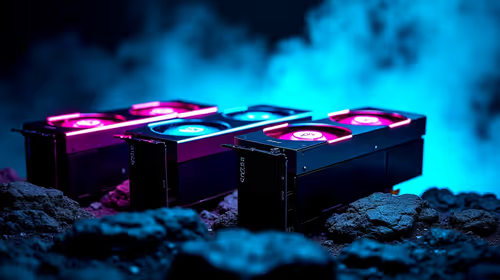
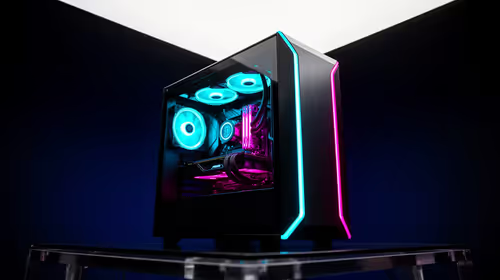
Here’s something many gamers overlook: your PC can create its own difficulty setting, and not in a good way. The most carefully balanced game difficulty impact on experience can be completely undermined by poor performance.
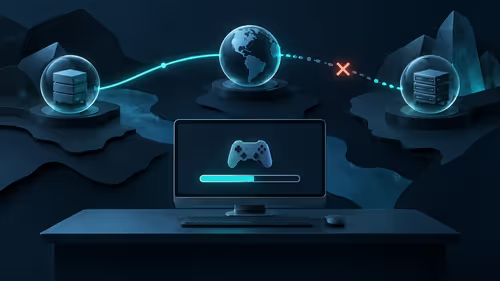
Imagine lining up a perfect headshot, only for a massive frame drop to throw off your aim. Or trying to dodge a boss's attack, but input lag means your character reacts a split-second too late. This isn't the challenge the developers intended; it's an artificial barrier created by hardware that can't keep up. Stuttering, screen tearing, and low FPS don't make a game harder... they just make it worse.
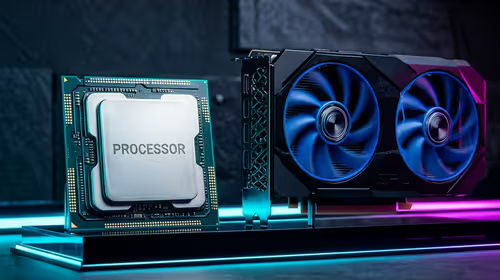
A smooth, responsive system ensures that your skill is the only thing being tested. When your PC can consistently deliver high frame rates, every dodge, parry, and shot feels instant and accurate. This allows you to truly engage with the game on its own terms, whether you're playing on easy or the hardest setting available. 🚀
Ready for the Real Challenge?
Don't let a struggling PC dictate your gaming experience. Ensure the only difficulty you face is the one you choose by gearing up with components that deliver flawless performance. Shop now at Evetech for the power to conquer any world.