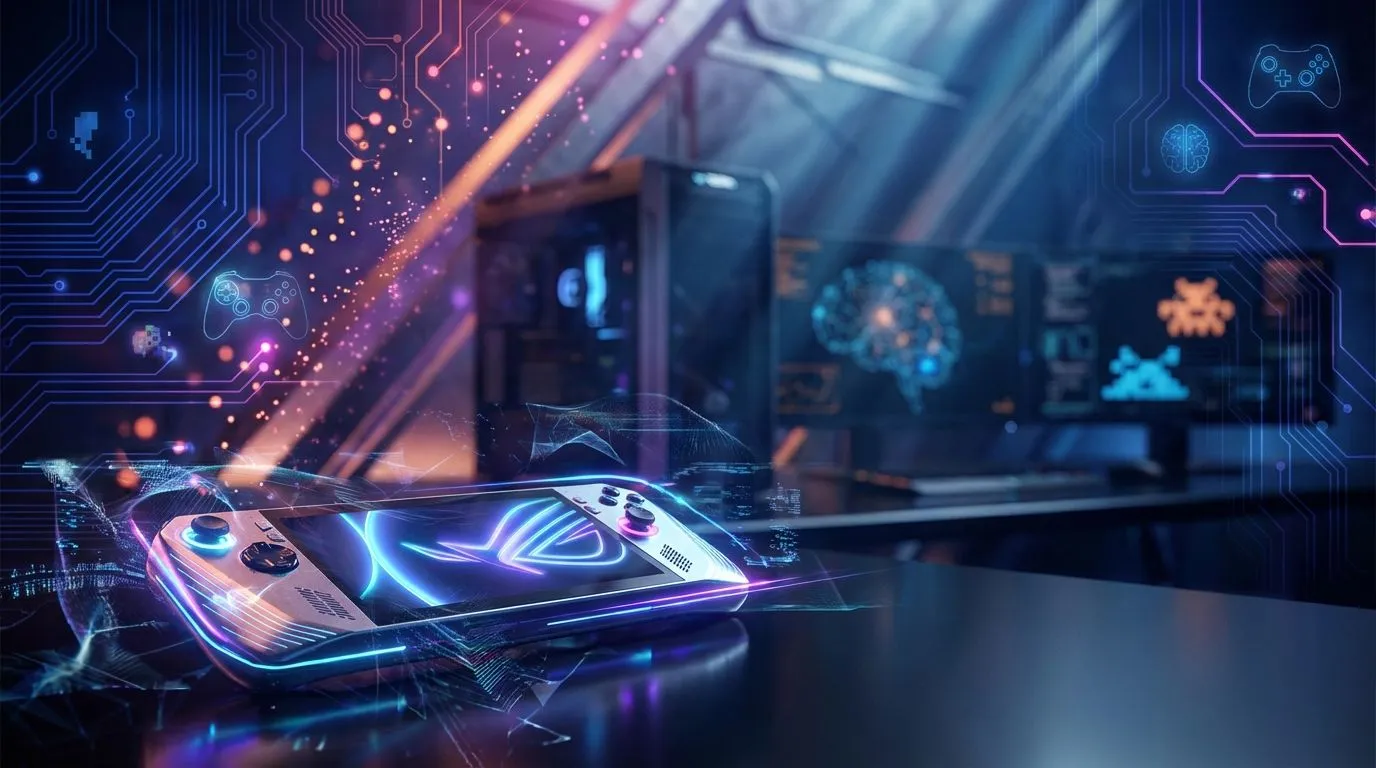
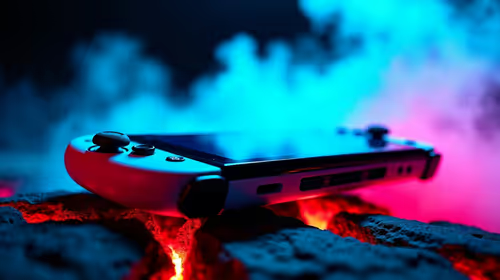
Imagine this: you’re smashing a boss in Elden Ring on the go, then you get home, plug one cable into a dock, and your handheld console transforms into your desktop PC. The dream, right? 🚀 With devices like the Steam Deck and ROG Ally, this is no longer science fiction. But can using a handheld console as a PC truly replace your trusty desktop rig for work, study, and play here in South Africa? Let's break it down.
The All-in-One Dream: How It Works
The magic behind using a handheld console as a PC lies in its architecture. These devices aren't just for games; they run sophisticated operating systems like SteamOS (a version of Linux) or even full-fat Windows 11. By connecting the handheld to a USB-C dock, you can instantly output to a monitor while connecting a keyboard, mouse, and other peripherals.
In seconds, your gaming device has a proper desktop interface. You can browse the web, answer emails, and watch YouTube on a big screen. For light tasks and media consumption, it feels futuristic and incredibly efficient. The appeal is obvious: one device to rule them all. But what happens when you push it a little harder?
The Reality Check: Performance and Productivity
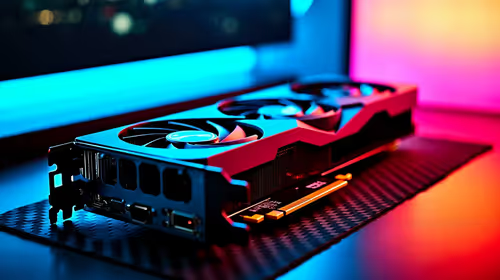
Let's be honest: the custom AMD APUs in these handhelds are engineering marvels, but they have limits. They are designed to run games at 720p or 1080p resolutions, optimising power consumption for a small screen. When you blow that up to a 1440p monitor and start juggling multiple applications, you’ll feel the strain.
Running Discord, a dozen Chrome tabs, and Spotify while trying to work on a spreadsheet can make the system feel sluggish. For serious creative work like video editing or 3D rendering, a handheld simply lacks the dedicated CPU and GPU horsepower. If your workflow demands real multitasking power, browsing the best gaming laptop deals will reveal machines with dedicated graphics cards and processors built for heavy lifting.
Optimise Your Handheld Desktop 🔧
If you're using a Windows-based handheld like the ROG Ally as a PC, disable non-essential startup programs via the Task Manager. This frees up precious RAM and CPU cycles, making the desktop experience noticeably smoother. Also, ensure your power plan is set to 'High Performance' when docked for maximum responsiveness.
Software and Compatibility Hurdles
Another major consideration is the software ecosystem. If your handheld runs SteamOS, you'll be using Proton to run many Windows games and applications. While it's incredibly effective for thousands of titles, it's not flawless. Key anti-cheat software for games like Valorant or Destiny 2 won't work, and some niche productivity apps may refuse to launch.
Even on a Windows-based handheld, the experience isn't always perfect. Drivers can be finicky, and the small, power-efficient hardware might struggle with demanding professional software from Adobe or Autodesk. While you can run these programs, the performance won't compare to a purpose-built machine.
The South African Context: Is It a Practical Choice? ✨
Here in South Africa, value for money is everything. A high-end handheld console can cost over R15,000, and that's before you buy a good dock, monitor, and peripherals. For a similar total investment, you could get a powerful entry-level laptop that offers a more complete and powerful package right out of the box.
During an unexpected outage, a handheld's built-in battery is a huge plus... but a laptop offers the same benefit, often with a longer battery life for productivity tasks and a built-in keyboard and screen. Whether you're looking at powerful and efficient Intel laptops on special or the excellent multitasking capabilities of modern AMD laptops on special, you're getting a device designed from the ground up for both work and play.
The Verdict: A Capable Companion, Not a Full Replacement
So, can a handheld console as a PC replace your desktop? For most people, the answer is no... not completely.
It's an absolutely brilliant secondary device or a primary computer for users with very light needs—browsing, media, and of course, gaming. The convenience is unmatched. However, for students, professionals, creators, and serious multitaskers, the performance compromises are too significant. For a primary machine that delivers power and versatility without breaking the bank, exploring the latest laptop specials for sale in South Africa is still the most practical and powerful choice.
Ready to Find Your Perfect Match?
The handheld vs laptop debate is compelling, but for a true all-in-one solution with more power and versatility, a dedicated laptop often wins out. Explore our massive range of laptop specials and find the perfect machine to conquer your world.