How to Choose a PSU: Rail Stability & Efficiency
Ever had your gaming rig stutter, or worse, crash mid-raid? 😬 In South Africa, where power interruptions and unpredictable power can be tough on electronics, understanding your PC’s heart — the Power Supply Unit (PSU) — is vital. This isn’t just about raw wattage; it's about smart power delivery. If you’re looking to upgrade or build a new system, knowing how to choose a PSU focusing on core metrics like rail stability and efficiency, ensures your investment is safe and performs at its peak.
Why PSU Rail Stability Matters for Your Gaming Rig
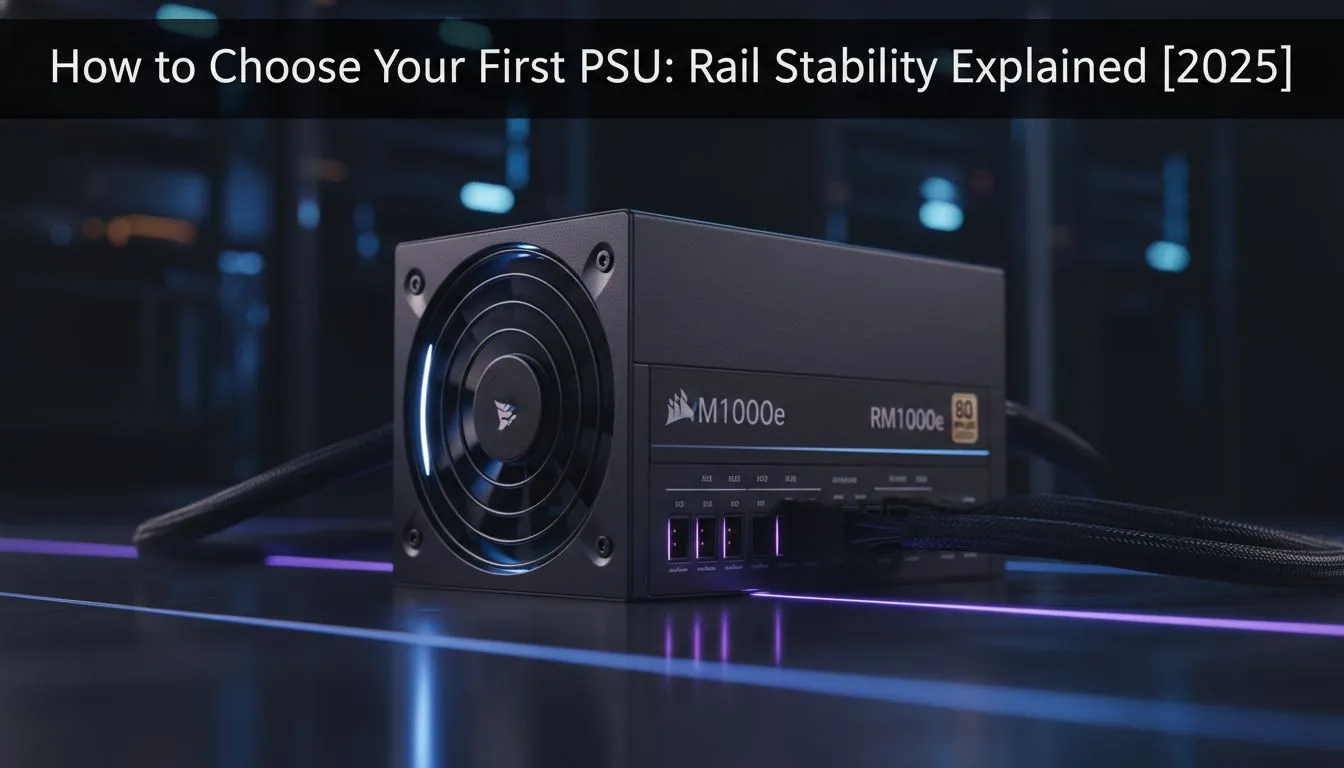
Your PSU’s rails are essentially the electrical highways feeding power to every component. The 12V rail, especially, is crucial for your hungry CPU and GPU. Poor rail stability means inconsistent voltage, like a bumpy road for your electronics. This can lead to random reboots, system instability, and even long-term damage. A quality PSU maintains tight voltage regulation, delivering a consistent, clean current even under heavy load. This is non-negotiable for system longevity and smooth gameplay. When selecting a power supply, prioritise models known for excellent rail stability from trusted brands.
Decoding PSU Efficiency: Understanding the 80 PLUS Ratings
Efficiency gauges how much power your PSU pulls from the wall versus what it actually delivers to your components; the rest is wasted as heat. This is where the 80 PLUS certification steps in, assuring at least 80% efficiency across various loads. From Bronze to Titanium, higher tiers mean less wasted energy, lower heat generation, and often, quieter operation. For South African gamers, improved PSU efficiency means slightly lower electricity bills and a cooler, more durable system. Always check for that 80 PLUS badge when evaluating options. ⚡
Explore 80 PLUS certified power supplies
Don't Skimp on Wattage Calculation
Always calculate your system's peak wattage draw (CPU + GPU + other components) and add a 20-30% buffer. A 650W PSU is often sufficient for mid-range builds, but high-end rigs with powerful GPUs might need 850W or more for optimal system stability and future upgrades.
Beyond the Basics: Quality Components and Brands
Beyond just wattage and 80 PLUS ratings, look into the internal components. Good capacitors, robust protections (like OVP, UVP, OPP), and a solid warranty are hallmarks of a reliable unit. Trusted tech reviews often delve into ripple voltage and load regulation — the real technical indicators of a power supply's internal quality. Brands like Corsair offer a wide range of power supplies and even robust contenders like Gamdias offer reliable power supply units across various segments. Investing in a known, quality manufacturer pays dividends in system reliability.
Future-Proofing Your Investment: Making a Smart PSU Choice
A quality PSU is a long-term investment. Planning a GPU upgrade down the line? A well-chosen unit with ample headroom and excellent voltage regulation means you won't need to replace your PSU again. This saves money and effort. Remember, a cheap, unstable power supply is a risk to your entire expensive rig. Make a smart PSU choice now for peace of mind and enduring performance. 🚀
Power Up Your Performance
Don't let a subpar PSU bottleneck your gaming potential. Make an informed choice for superior power stability and efficiency that keeps your rig running smoothly, even through the toughest challenges. Shop the best PSUs at Evetech for performance that leaves lag in the dust.