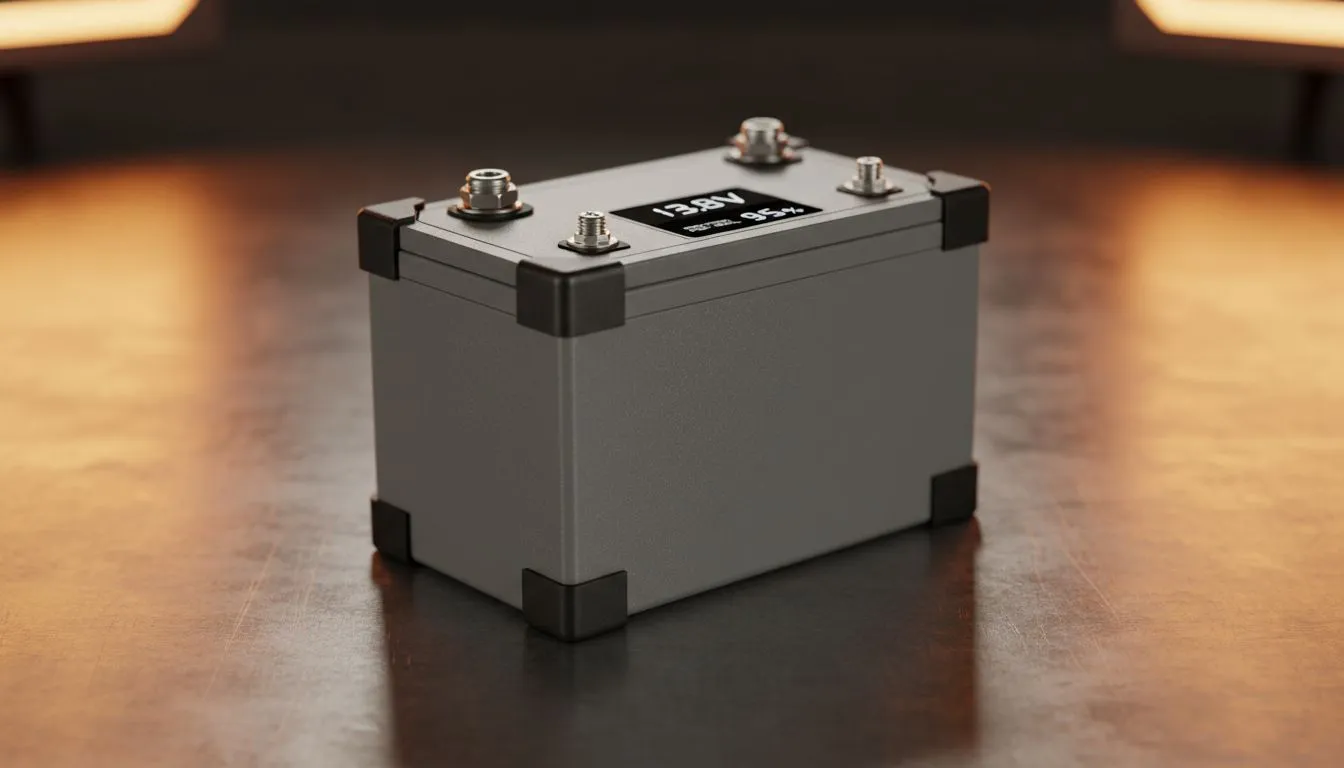
Tired of your backup power fading just as the Stage 4 schedule hits? But these units aren't "set and forget". Proper LiFePO4 battery maintenance: Extend unit life is the difference between a five-year lifespan and a costly replacement. Let's dive into how you can keep your setup running through the darkest nights. ⚡
Keep It Cool in the South African Heat
Temperature is the silent killer of any energy storage system. While LiFePO4 is safer than older lithium-ion tech, it still hates extreme heat. If your backup unit sits in a sun-drenched corner of your home office, you're shortening its life.
Avoid leaving small units in hot cars or cramped cupboards. If you are looking for entry-level protection, even affordable power banks under R500 need breathing room. Airflow is your best friend when the ambient temperature climbs above 30 degrees... especially during those brutal February heatwaves.
Master the Charging Sweet Spot
You might think keeping your battery at 100% is the safest bet. Actually, LiFePO4 cells prefer staying between 20% and 80% for daily use. Constantly pushing the battery to its absolute limit creates internal stress.
If you use reliable Promate gear for your mobile devices, try to unplug once you hit that 80% mark. This simple habit can double the number of charge cycles your unit can handle. It’s a small change that yields massive long-term savings. 🔧
The 80% Rule ⚡
To maximise the cycle life of your LiFePO4 cells, try to avoid keeping them at 100% charge for weeks on end. If you know an unexpected outage is suspended for a while, discharging the unit to roughly 50% for storage is the smartest move you can make.
Storage and Long-Term Care
Planning a holiday? Don't leave your battery completely flat. A fully discharged LiFePO4 battery can fall into a "sleep mode" where it refuses to take a charge again. Always store your portable power bank range with at least a 50% charge.
Check your gear every three months. Give it a quick top-up if it has dipped below 40%. This prevents the voltage from dropping too low... which is the most common cause of "dead" units. For those with mid-range power banks under R1200, this routine maintenance ensures your investment stays healthy for years. ✨
Why Quality Maintenance Matters
LiFePO4 technology is an investment in your productivity. By following a basic maintenance routine, you ensure that your gaming sessions and work calls aren't cut short. It isn't just about saving money... it's about having power when the rest of the neighbourhood goes dark. 🚀
Ready to Power Through the Dark?
Don't let the next blackout catch you off guard. Whether you need a small backup for your phone or a beast for your router, we have the tech to keep you connected. Browse our full range of power banks and secure your energy independence today.