Everyday Reliability
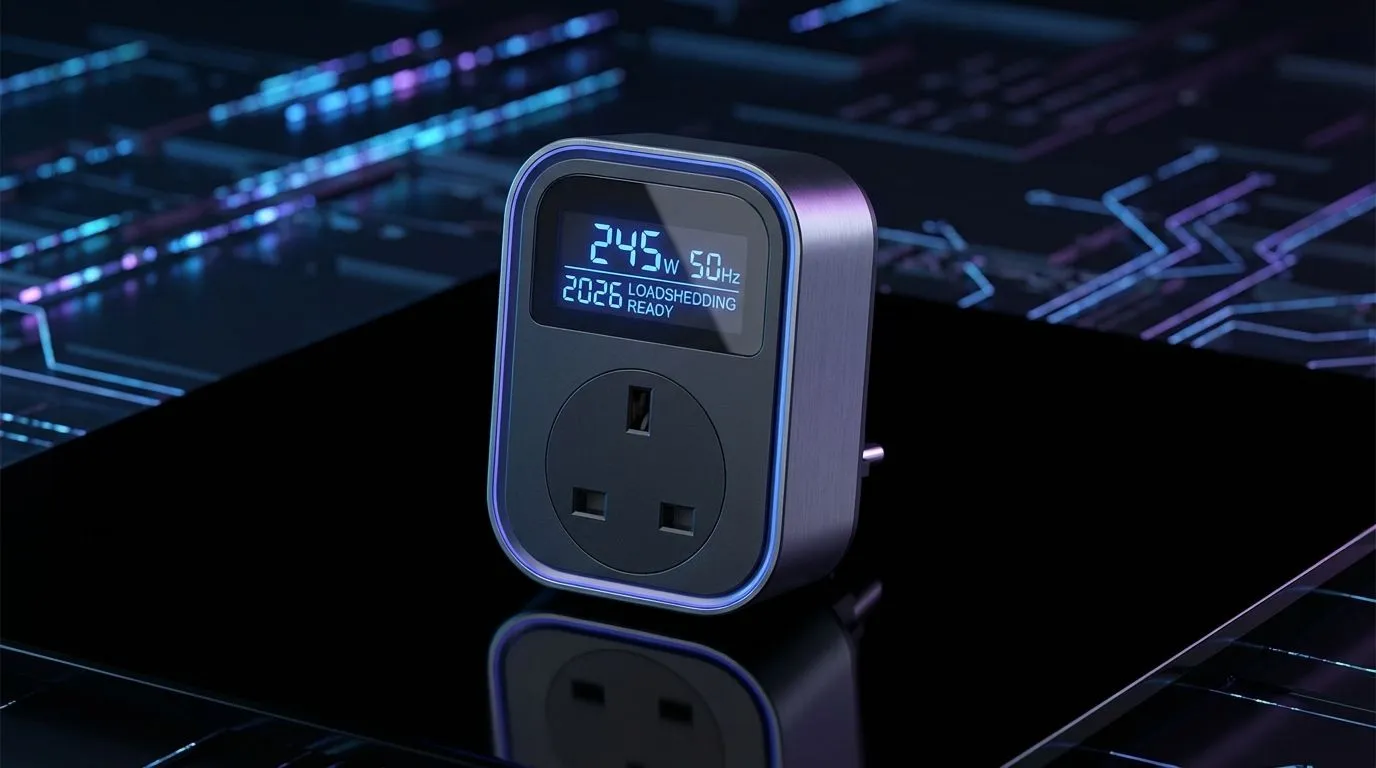
South African gamers know the drill—when an unexpected outage occurs, every watt counts ⚡. Choosing a monitor with efficient power consumption can save you valuable uptime and reduce your electricity usage. In 2026, being savvy about your monitor’s energy needs means more gaming and less downtime. Whether you prefer flat screens or sleek curved monitors, knowing how much power your display consumes is key to surviving those dark hours.
How Monitor Types Affect Energy Use
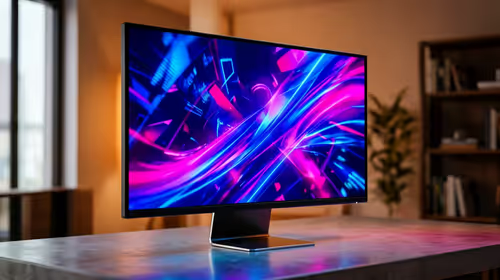
Flat-screen monitors generally consume less power compared to curved ones due to simpler backlighting and design elements. For instance, Evetech offers a wide range of flat monitors that balance efficiency and visual clarity. Curved monitors, while immersive, tend to draw a bit more juice because of their larger surface area and specialised panels. Understanding this trade-off can help you optimise your setup for both experience and electricity savings.
Panel Types and Power Efficiency
When it comes to panel technology, IPS panels are popular for their colour accuracy and viewing angles but typically consume slightly more power than TN or VA panels. If colour fidelity is essential for your gaming or creative work, consider options like the IPS monitors available at Evetech here which combine visual quality with efficient design.
Reduce Brightness to Cut Power Usage
Lowering your monitor’s brightness by 20% can reduce energy consumption without impacting visibility much. It’s a simple tweak that pays off during an unexpected outage.
Refresh Rate and Adaptive Sync Impact on Power Draw
High refresh rates give smoother gameplay but come at an energy cost. Monitors with ultra-fast refresh rates (170Hz to 240Hz) require more power to update visuals rapidly. Evetech’s 170Hz–240Hz monitors offer top-tier performance but balancing speed with power efficiency can extend your playtime during power cuts.
Adaptive sync technologies like FreeSync, G-Sync, and Adaptive Sync also influence power consumption due to synchronising frame rates and reducing screen tearing. You can explore monitors with FreeSync, G-Sync, or Adaptive Sync support, depending on your GPU brand and power priorities.
Micro-story: Gaming Through the Blackout
One of our Evetech customers shared how switching from a curved, high-refresh-rate monitor to a flat IPS with FreeSync boosted his gaming uptime during an unexpected outage. The power savings meant he could enjoy longer sessions without interruptions from power cuts—and his gameplay stayed smooth, too. Small changes like these can make a real difference when electricity is not guaranteed.
Practical Tips to Manage Monitor Power Use
- Adjust sleep mode settings to turn your monitor off quickly when not in use.
- Use power-saving presets from your monitor’s menu to optimise energy use.
- Unplug external devices connected to your monitor when idle to avoid phantom power drain.
- Consider monitors designed for efficiency—Evetech’s variety covers most budgets and needs.
Choosing a monitor with mindful power consumption can reduce your reliance on backup power sources during an unexpected outage and trim your electricity bill.
Ready to Improve Your Display?
Ready to upgrade your setup with energy-efficient monitors? Discover your perfect balance of power and performance—Shop now at Evetech for performance that leaves lag in the dust.