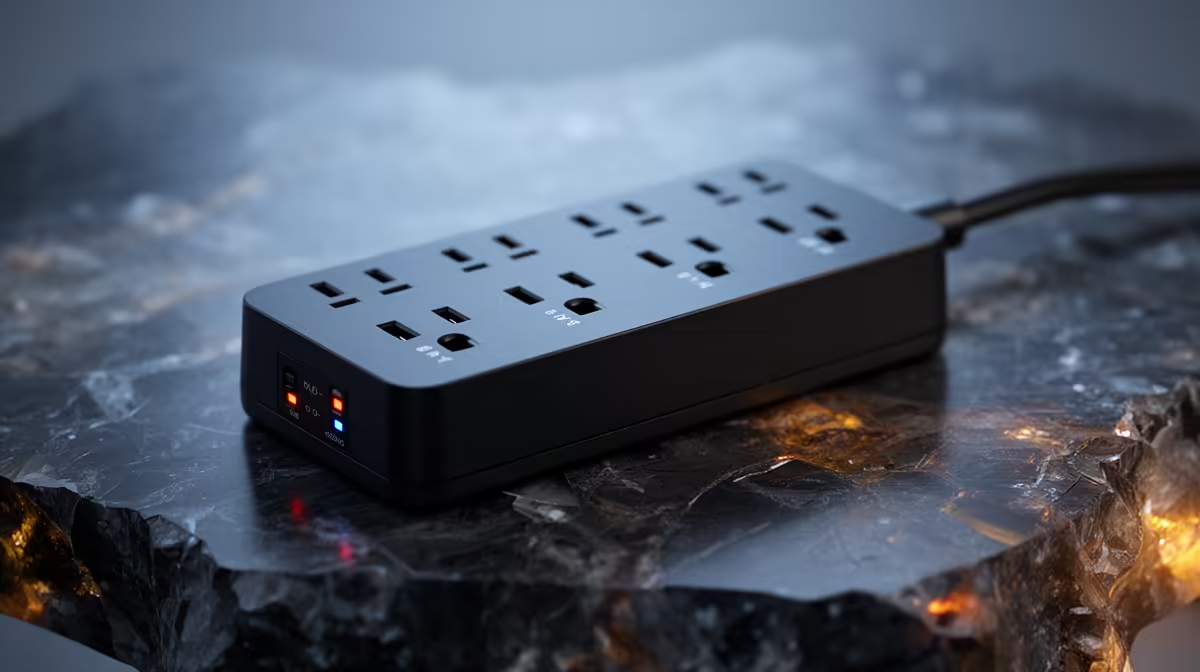
A surge-protected power strip for 3D rendering should be selected from the complete workstation load, certified protection details and safe socket layout. It cannot provide battery runtime, and a large title allowance does not turn a strip into protection against every electrical event.
Inventory every plug and rating
List the PC, monitors, router, storage and any powered speakers, recording each manufacturer rating. Decide which devices need a shared strip and which high-draw equipment requires a dedicated outlet. Inspect the wall socket, cable route and ventilation. Recurring trips, heat or looseness need qualified attention before installation.
The supplied product evidence does not price a surge-protected strip, so no exact model can be placed under the stated budget. Compare candidates on certified load rating, surge standard and energy rating, indicator behaviour, socket spacing, cable length, breaker, warranty and replacement guidance after an event. Avoid vague protection claims.
Keep render files and source assets in versioned independent backups. Never daisy-chain strips, run a cable under rugs or exceed the outlet and strip ratings. A UPS sized from measured load is a separate decision when safe shutdown or runtime is required.
Choose the strip when its documented limits cover the mapped workstation and installation. Rendering performance still depends on the PC, not the number of protected sockets.
Wiring a rendering desk safely? > Browse Evetech power gear while verifying surge strips separately.