Chair materials work in layers: upholstery controls immediate contact, foam manages pressure and hardware shapes how the body reaches the desk. Gaming chair fabric, cold-foam and support should therefore be tested as one daily system without assigning any layer an unsupported lifespan.
Quick Answer
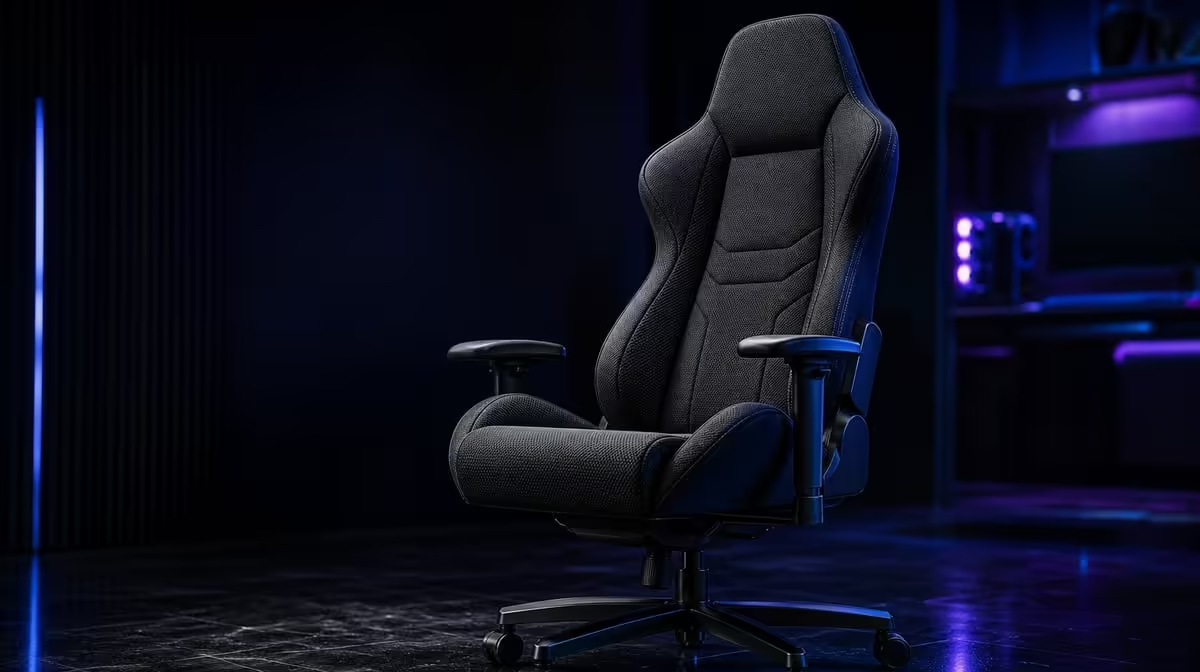
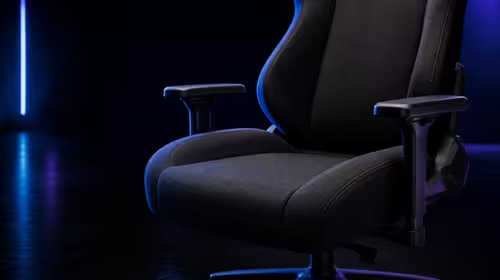
The R7,899 HERO TX places premium TX fabric over comfortable cold-foam, then adds a memory headrest and enlarged 4D armrests. Buyers should assess textile feel, seated pressure and upper-body contact separately before deciding whether the complete material-and-support package fits their routine.
🧵 Start at the fabric surface
Use the chair in normal clothing and room conditions. Notice grip, warmth and how easily the body changes position after the first contact impression fades.
Textile upholstery usually asks for moisture-aware cleaning. Lift loose dust, test suitable care discreetly and avoid saturation.
Compare the HERO TX through Evetech's noblechairs chair range.
Keep climate claims modest
Fabric may feel less sealed than some surfaces, but it does not cool the room. Clothing, ventilation and movement remain decisive.
Run a warm-session trial where the chair will actually live.
Accept the ownership routine
Plan spot care and drying before purchase. A preferred textile that receives unsuitable cleaning is not a practical choice.
Keep fabric appearance separate from the cushion beneath.
🪑 Judge the cold-foam under load
Sit fully back and use the chair through a representative task. Record broad support, edge pressure and ease of repositioning.
The HERO TX uses comfortable cold-foam. Judge it through direct fit, sustained support and repeat checks over time.
Replace the hand squeeze
Full-body contact differs from pressing the seat. Sit, stand and return under the same desk conditions.
Compare real chairs for the same duration rather than comparing material names.
Include the 150kg maximum
Confirm the limit first, then test fit. It does not describe proportions, firmness or future cushion wear.
Respect supported load without stretching it into another claim.
💪 Add arm and head contact
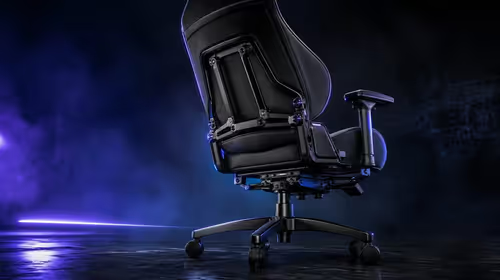
Move the enlarged 4D pads towards naturally bent forearms. Keep shoulders low and controls close enough for broad back contact.
Use the memory headrest during reclined moments where it meets the head without changing the chin angle.
Explore the broader South African gaming-chair category when another support package fits better.
Test task profiles
Keyboard, mouse and controller positions can need different pad reach and angle. Save distinct profiles rather than accepting a poor compromise.
Return to the seat after every upper-body adjustment and check pressure again.
Include stainless-steel levers correctly
Noblechairs specifies premium stainless steel for these levers. Use them as intended and stop rather than force an unfamiliar control.
That component detail does not prove overall chair longevity.
📅 Validate the complete stack
Use the chair across work, gaming and reclined viewing. Note surface, cushion, arms and head separately at several intervals.
Take movement breaks and see whether the saved fit is easy to recover.
For another view of what competes near this budget, browse Evetech's in-demand chairs. Treat the live page as the source for purchase-day availability.
Remove one layer
Imagine a different fabric, cushion or fixed arm support. Record what changes in the real task.
The features whose removal harms daily fit carry the value.
Avoid service-year claims
Materials, construction, load, care and frequency influence wear. No single label establishes an exact life.
Judge present support and any stated warranty through their own evidence.
Preserve a fit record
Write the room, clothing, task duration, armrest profile and headrest use. Shared users should keep separate notes.
This makes later comparisons specific without pretending comfort is universal.
Run a two-hour material sequence
Begin with focused desk work, change to controller play and finish with reclined viewing. Record the fabric contact and cushion pressure at each transition. The upper-body supports should be adjusted only when the task changes.
This sequence reveals whether the material stack works across the chair's real roles. One comfortable opening position cannot answer the whole day.
Compare after the chair has been empty
Leave the chair unused for a while, then return in the same clothing and room. Note the first contact and the next twenty minutes separately.
The fabric and foam may shape different parts of the experience. Keep those observations distinct instead of using one general comfort label.
Inspect how the torso moves
Lean forward to type, sit back to read and turn towards another screen. Notice whether textile grip helps the user return to centre or makes movement feel restricted.
This is a preference test, not a quality claim. Another person can reasonably choose a different surface behaviour.
Review pressure after arm changes
Lower the pads, support the forearms and check whether body weight spreads differently through the seat. An upper-body adjustment can alter cushion perception.
Return to the original profile and compare. This prevents cold-foam from being blamed for a posture created by the desk.
Add a care-and-use agreement
Shared users should know the approved fabric method, spill response and saved support profiles. Store a clean absorbent cloth nearby.
The material package is more practical when everyone understands both adjustment and care, rather than treating those as separate ownership problems.
Decide from repeated recovery
Stand several times during the trial and observe whether the chair helps the user find broad seat, arm and back contact again. Include the memory headrest only during a natural lean-back.
Recovery after movement gives the material stack a concrete daily job and keeps stillness out of the comfort definition.
Compare a fixed-arm alternative
Use the same desk task on a chair with simpler arm support. Notice whether the user reaches, lifts a shoulder or loses back contact.
This isolates the value of the HERO TX pads without crediting the fabric or foam for an arm-position improvement.
Review material after cleaning
Once an approved spot-care method has dried fully, repeat the normal clothing and movement check. Residue or remaining moisture can distort surface feel.
Record the care result separately from the original upholstery preference.
Finish with a blind task score
Hide chair names and compare pressure, surface, arm support, head contact, care and exact prices. Choose the outcome first.
The HERO TX material package has a stronger case when the R7,899 column still wins after branding is removed.
Revisit after a desk change
Move the chair closer to the permanent controls and repeat seated pressure, forearm contact and textile movement. A different reach can change every material observation.
Keep the monitor and task stable while the chair-to-desk relationship is corrected.
Review the 150kg limit with shared users
Confirm the requirement for each person, then preserve separate material and adjustment notes. The same capacity fact cannot make their fit identical.
The complete stack succeeds when every intended user has a safe, practical profile.
Frequently Asked Questions
What role does fabric play in a gaming chair?
It shapes immediate contact feel and the cleaning routine.
What does cold-foam contribute beneath the covering?
It forms the pressure-supporting cushion.
Which material combination appears on the HERO TX?
Premium TX fabric covers comfortable cold-foam.
How does the memory headrest fit into material comfort?
It adds a separate contact point during natural recline.
Can material names predict an exact service life?
No. Use, construction and care introduce many variables.
Ready to compare a chair from surface through support?
Browse Evetech's gaming chairs with your contact, pressure and adjustment notes kept separately.