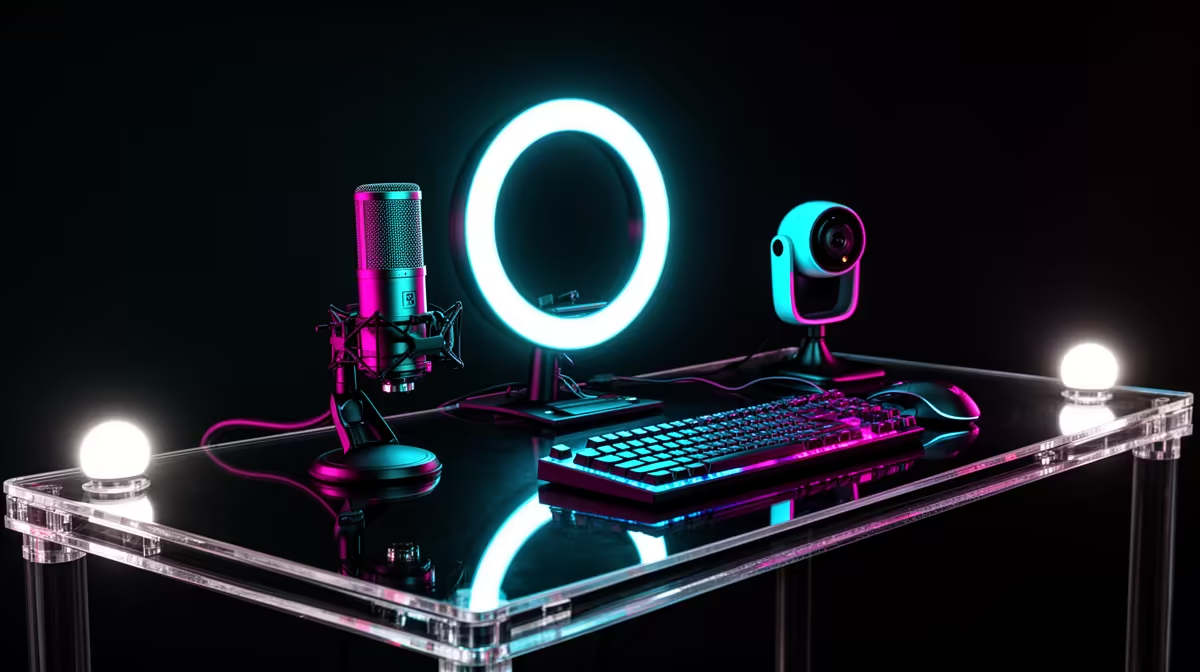
A South African streaming kit should climb through problems, not product prestige. Around R3,500, solve clear speech and a usable picture. Around R7,500, control the light and move the microphone closer. Around R15,000, improve room rejection, monitoring and mounting. These are complete-basket envelopes. Price each named product from the current page before choosing a rung.
Quick Answer
At the first tier, put most of the money into a suitable USB microphone, then add a basic webcam and one soft light. At the middle tier, improve microphone placement, camera quality and key-light control. At the top tier, choose a strong audio chain and room treatment before a premium camera. Viewers forgive an ordinary picture faster than tiring or distant sound.
R3,500: make speech easy to hear
The first stream needs a microphone close to your mouth, a camera that holds exposure and enough front light to stop the webcam raising noise. A USB microphone keeps the chain short because the computer handles the connection without a separate audio interface.
Choose the microphone around the room. A cardioid dynamic mic can reject more room sound when used close, though it may need more gain. A condenser can capture detailed speech and keyboard noise, room echo and traffic with equal enthusiasm. Pattern and placement matter more than the word studio.
Use the streaming essentials range to compare exact connection, polar pattern, stand and monitoring features. Do not use the category's lowest price as a microphone floor because adaptors and pop filters may sit below complete mics.
A basic webcam can be enough once it sees light. As of July 2026, the Logitech Brio 100 Full HD webcam was listed at R589 by Evetech. That dated named-product anchor does not promise the same figure for every camera or a later date.
R7,500: control the room
The middle tier should reduce variables. Add a boom arm that holds the microphone a hand span from your mouth without crossing the keyboard. Add a soft key light that can sit above eye line and about 30 to 45 degrees from the face. Upgrade the camera after those positions work.
The microphone may remain USB. Better capsule design, headphone monitoring, gain control and a stable mount can matter more than moving to XLR. If XLR is chosen, include the audio interface and cable in the same basket. A microphone without enough clean gain is not an upgrade.
For the camera, check 1080p frame-rate modes, exposure control, field of view and low-light behaviour. Autofocus is useful when you show products to the lens, while fixed focus can be stable for a seated frame.
The webcam range offers the right comparison. Open the exact model because security cameras and conference devices can share broad camera categories while serving different jobs.
R15,000: build an audio system
At the upper rung, spend for a controlled signal rather than a larger microphone. A good dynamic or broadcast-style mic, suitable interface, quiet gain, shock mount and boom arm can form the core. Closed-back headphones provide monitoring without speaker spill.
Room treatment deserves a line. Soft furnishings, curtains and absorption placed at reflection points can reduce echo. Thin decorative foam will not stop traffic or a noisy PC. Move the microphone closer, turn the gain down and place the PC away from its rear pickup area before buying panels.
Camera and lighting still need balance. One large soft source can look better than several small harsh lights. Add a fill only when shadows are too deep. A background light should separate you from the wall, not turn the scene into a colour contest.
The budget split should follow the room
In a quiet carpeted room, the microphone may need less corrective hardware. In a tiled room beside a road, audio can consume most of the upper tier. In a dark room with a good headset mic, lighting and camera can lead.
Record thirty seconds before buying anything. Speak at normal level, type, click the mouse and let the PC fans rise. Listen on headphones and a phone speaker. Decide whether distance, echo, fan noise or image grain is the first problem.
Build two groups from that recording:
- Signal: microphone, mount, interface where needed and monitoring.
- Picture: webcam, key light and background control.
Two groups stop the basket being diluted by capture decks, mixers and decorative accessories before speech and exposure are fixed.
USB versus XLR at each rung
USB is the efficient start. One cable carries audio and power, and many microphones include gain and headphone monitoring. The drawback is that upgrading one part can mean replacing the microphone's built-in electronics too.
XLR separates microphone and interface. It creates more choice and makes later changes easier, but adds cables, gain requirements and desk space. It belongs in the R15,000 tier only when the room, voice and workflow justify it. XLR branding does not make a poor placement sound professional.
Lighting beats webcam specification
A webcam raises gain in a dark room, creating noise and soft detail. Put a diffused light near the face and lock exposure where the software allows it. Avoid a bright window behind you unless you can balance it.
Set white balance to a fixed value after the lights settle. Auto white balance can change skin tone when a screen or game scene changes. Keep the shutter and frame rate appropriate to South African mains-powered lighting so flicker does not appear; use the camera's supported anti-flicker setting and test it.
PC and USB planning
Connect the microphone and camera directly for the first test. A weak hub can create audio dropouts or camera resets. If a hub is required, use a powered model rated for the devices and keep the microphone on a stable port.
Encoding performance sits outside this kit ladder. Test the streaming software, game and overlays together. Hardware encoding can reduce CPU load where the graphics card supports it. A beautiful camera is no help when the stream drops frames.
Frequently Asked Questions
Should a R3,500 kit prioritise the microphone?
Yes. Clear close-mic speech carries the stream, while a basic camera can improve with good light.
Does R7,500 require an XLR microphone?
No. A good USB mic, stable arm and controlled room can be the better complete system.
Where should the R15,000 tier spend the extra money?
Put it into the audio chain, room rejection, monitoring and soft lighting before chasing camera resolution.
Build one streaming tier around the loudest flaw in a test recording, pricing named microphones, cameras and lights as a complete current basket.