Quick Answer
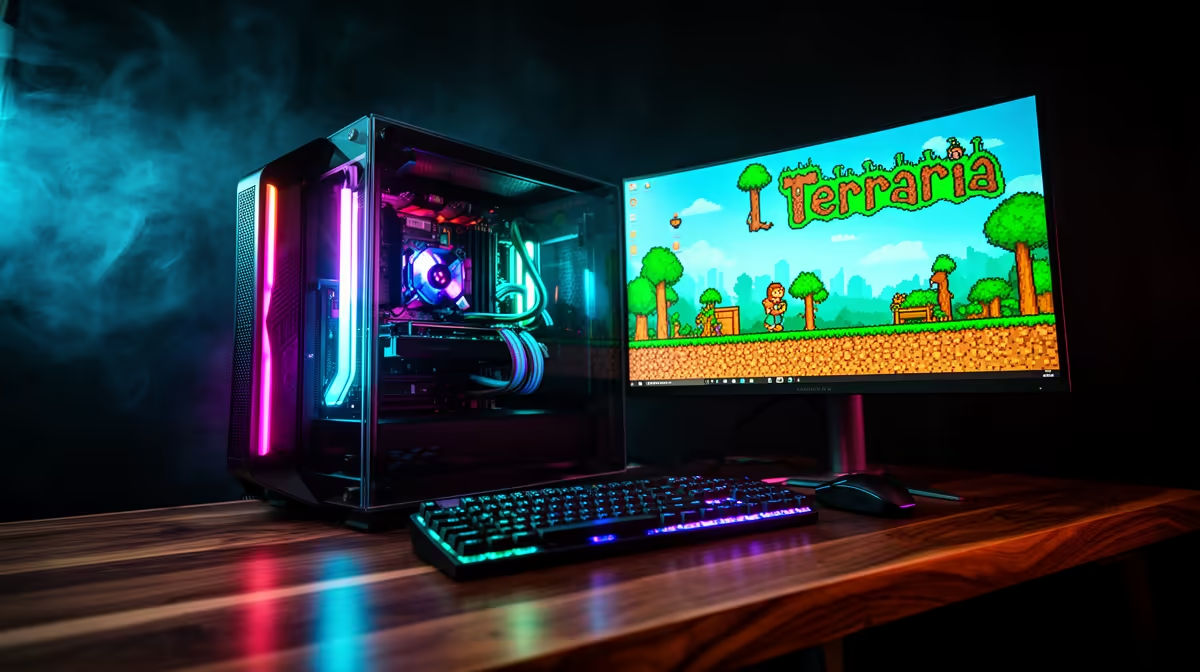
A modded Terraria setup needs very little: 8GB-16GB RAM, integrated or entry graphics, and any SSD. Even with Calamity and large modpacks, Terraria runs above 60fps on a build around R10,000-R12,000 at Evetech, since its 2D engine barely uses a GPU and leans on the CPU only for late-game lighting.
RAM, VRAM and Storage Explained for Modded Terraria
Terraria is one of the lightest games to mod. 8GB RAM runs it; 16GB is comfortable headroom for big modpacks like Calamity plus Thorium. VRAM is a non-issue, as the 2D engine uses almost no graphics card. Storage matters only for load times, so any SATA or NVMe SSD is fine. The genuine consideration is CPU single-thread speed for heavy multiplayer lighting and liquid simulation in the late game. A 1TB NVMe SSD is the single most cost-effective addition here, cutting load stutter that even strong CPUs and GPUs cannot mask.
A Sensible SA Build for Modded Terraria
A Ryzen 5 9600X with 16GB DDR5-6000 and integrated graphics or a budget RTX 5060 (around R7,000-R9,000) runs the largest Terraria modpacks above 60fps. Keep the game on any SSD for quick loads. Put saved budget toward a comfortable display and peripherals, since the hardware demand stays minimal no matter how many content mods you stack through tModLoader.
FAQ
How much RAM does modded Terraria need?
8GB runs it, and 16GB gives comfortable headroom for big modpacks like Calamity plus Thorium. RAM matters more than VRAM here.
Does modded Terraria use the GPU much?
Barely. The 2D engine uses almost no graphics card, so integrated graphics or an entry card runs even large modpacks above 60fps.
What hardware limits modded Terraria?
CPU single-thread speed during heavy late-game multiplayer lighting and liquids. A modern mid-range chip handles the biggest modpacks smoothly.
barely uses a GPU. A balanced Evetech build with a Ryzen 5 9600X and 16GB DDR5-6000 runs the biggest modpacks above 60fps with budget to spare.