A TPM 2.0 check is worthwhile for a gamer who needs to confirm Windows compatibility or meet security requirements used by a game or anti-cheat system. It is a diagnostic step, not a performance upgrade. Use official operating-system, motherboard and game guidance before changing firmware.
Verify the current gaming PC
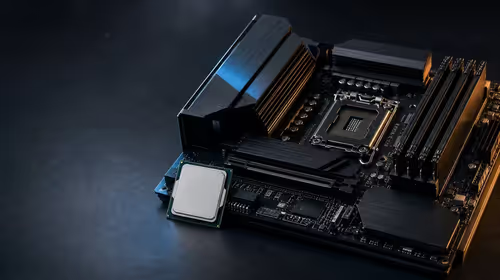
Open Windows security-processor or TPM management information and record status and specification version. Also note motherboard model, firmware mode, Secure Boot state, Windows edition and processor eligibility. Do not clear the TPM casually because encrypted data and sign-in credentials may depend on stored keys. Preserve recovery keys and game saves first.
Keep compatibility separate from frame rate
A valid TPM result does not improve graphics performance or network latency. The Lenovo LOQ at R9,500 provides verified Core i5-12600HX, RTX 3050, 8GB memory and 512GB storage for supported gaming, but game requirements, memory and display still need review. Avoid unsupported bypasses that can break updates or anti-cheat. If firmware changes are required, follow the exact motherboard instructions and restore one saved game or profile afterward. A clean check ends with supported Windows, documented settings and a recovery plan.
Check the game publisher security page after major updates because anti-cheat requirements can change independently of Windows eligibility. Preserve a screenshot of the last working state.
Checking gaming-PC compatibility? > Give Evetech the games, current parts, Windows version and display target.