Quick Answer
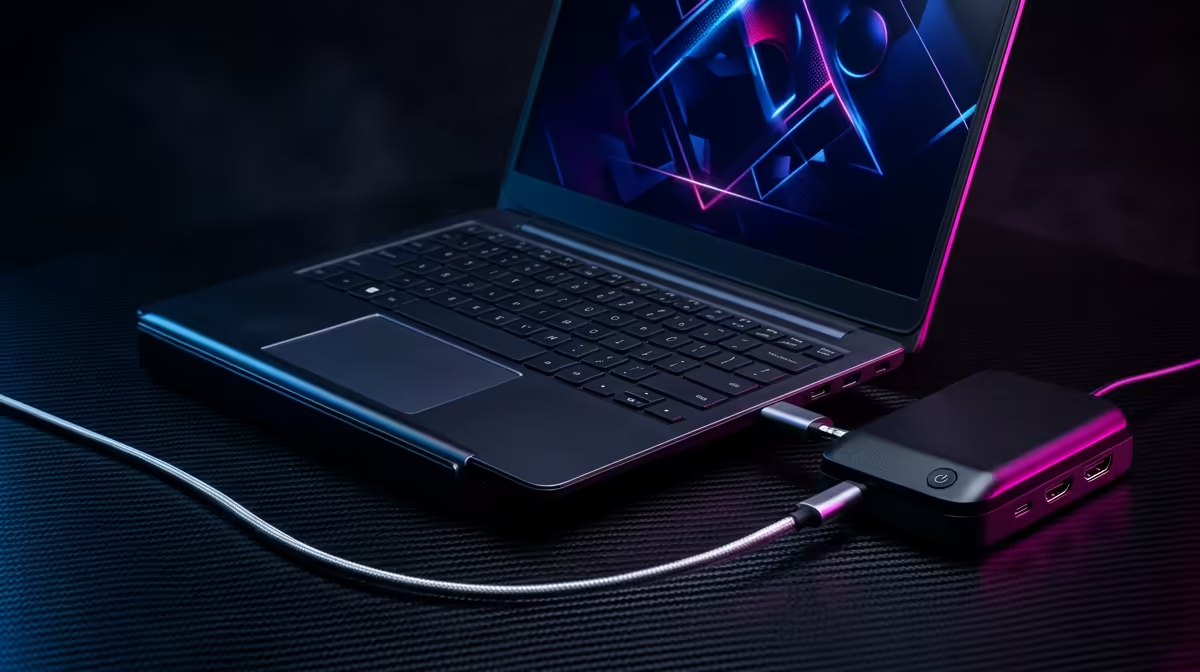
The easiest docking station upgrade for podcasting from home is adding a dedicated USB audio interface or a dock with a clean audio input, around R900-R2,500, so your microphone bypasses the laptop's noisy built-in audio. It plugs in over USB and instantly improves recording quality, which is the single biggest easy win for home podcasting.
Why the audio input is the easy win
Podcasting lives or dies on audio quality, and a laptop's built-in audio or a basic dock's audio passthrough often adds noise and lacks proper gain control. The easiest upgrade is routing your microphone through a dedicated USB audio interface or a dock with a quality audio input, which gives cleaner signal, proper gain, and often a headphone monitor output. It plugs in over USB with minimal setup and immediately lifts recording clarity above the laptop's onboard sound.
This is a targeted, low-effort upgrade with an outsized impact on the finished podcast, far more than adding more video ports or storage to your dock.
Getting it right for podcasting
Choose an interface or dock audio input with adjustable gain and a headphone output so you can monitor as you record. Pair it with a good cardioid microphone placed close, and set gain so your voice peaks healthily without clipping. Keep the recording on a stable USB connection to avoid dropouts, and record locally rather than over a flaky network for the cleanest result.
FAQ
What is the easiest dock upgrade for podcasting?
Adding a USB audio interface or a dock with a clean audio input, so your mic bypasses the laptop's noisy onboard audio. It plugs in over USB and instantly improves recording quality.
Why not use the laptop's built-in audio for podcasting?
Built-in audio and basic passthrough often add noise and lack proper gain control, hurting recording quality. A dedicated interface gives cleaner signal, adjustable gain and a monitor output.
What else helps home podcast audio?
A good cardioid microphone placed close, gain set to avoid clipping, headphone monitoring, and recording locally on a stable connection. These keep the finished podcast clean and consistent.
For home podcasting, add a USB audio interface or a dock with a clean audio input and monitor output, so your mic bypasses the laptop's noisy onboard audio for instantly better sound.