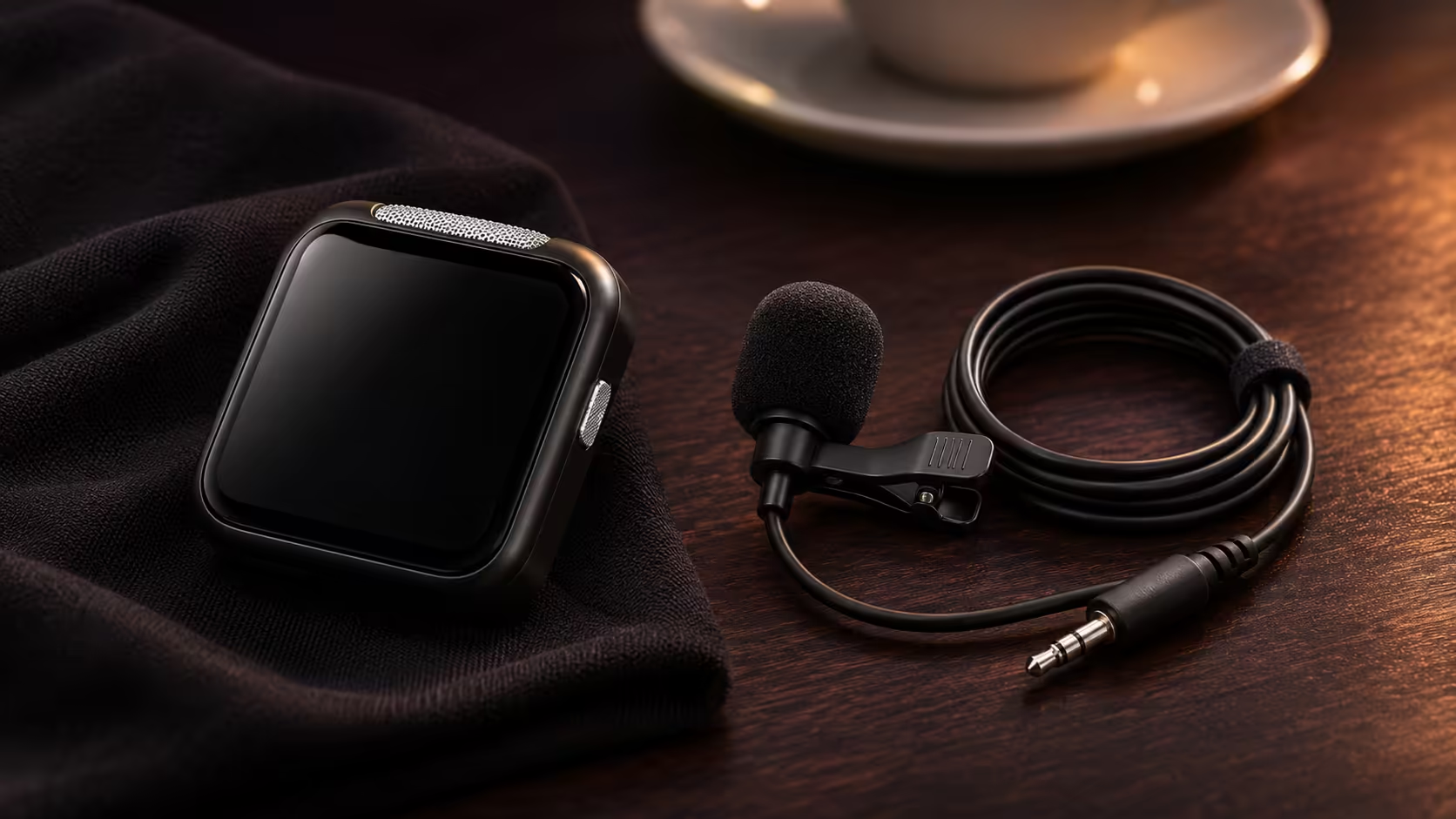
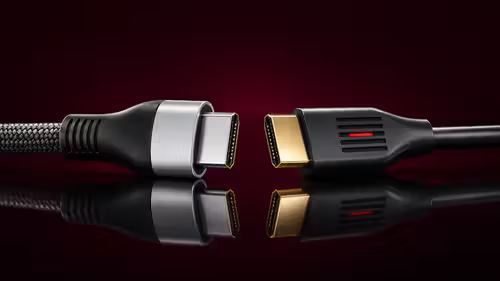
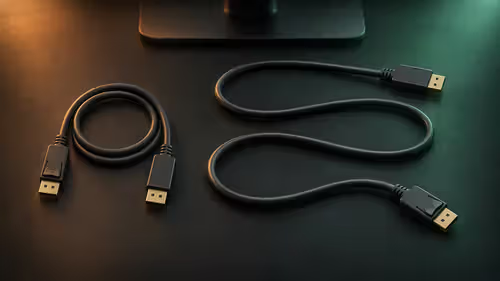
At a fixed desk, a wire can run neatly from the speaker to the recorder. On a walk-and-talk, the same wire changes how a person can move. To choose a wireless or wired lapel mic, decide which fact is harder to work around in the planned shot: movement away from the camera, or additional gear to charge and monitor.
Quick Answer
Choose wireless when freer movement or a wider shot matters, and consider wired when the person can stay within a safe cable run. The Promate Sonex provides two mics and a 2.4GHz receiver, with under 20ms link latency and a quoted range of up to 130m unobstructed. The better video setup is the one that records the intended shot with clear audio and a connection you have tested.
🎥 Decide how much the speaker will move
For a seated lecture or desk video, a wired lav can run behind the chair or along equipment that stays put. Plan enough slack for normal body movement, and keep the cable clear of feet, doors and things that get picked up during the take. Check the correct input for your camera or phone, since older and newer equipment can use different connector arrangements.
A presenter moving down a Cape Town street, walking through an exhibition hall or sharing a frame with a second person has more freedom with wireless. You can keep the microphone near each person's voice without tying their movements to where the phone is mounted. With the Sonex, the two transmitters send to one receiver, which you attach to the recording device using the supported arrangement.
Compare Evetech microphone kits by the number of speakers and source devices you plan to use. A short wire may be enough for one person in a close shot. With two people walking, you may need separate mics and a receiver that can capture both. Confirm whether your workflow needs separate editable audio channels before you buy.
🔋 Compare the checks you need to do before recording
A wired mic avoids the radio path between transmitter and receiver. Some wired models use power from the input or their own supply, so check the mic and recorder requirements before relying on a particular cable. Inspect socket fit and route the wire in a way that keeps clothing and furniture from making noise against it.
With wireless, check transmitter and receiver power, the paired connection and the selected audio input. The Sonex case can top up mics between takes, which helps when you can schedule breaks. For a longer fixed recording, check the uninterrupted rating before deciding whether you can leave the same mic running for the full conversation. Put the case where you can reach it when swapping people.
Set up the equipment in filming order. With a wired kit that could mean checking the mic on the subject then securing its cable. With a wireless kit it can mean attaching both transmitters, checking both connections, then playing back a short test to verify the sound got into the file. Create a repeatable sequence you can use again after moving rooms.
📡 Check distance and timing in the actual scene
Promate's Sonex range is specified for an open, unobstructed path. In a busy room or crowded location, test the walk the subject will take and listen for interruptions when people or objects cross between the receiver and transmitter. If you hear a dropout, shorten the route or change where the receiver is supported.
With either type, record a visible clap and listen to the saved clip. A wired connection omits the particular radio delay of a wireless link, but the camera and app still contribute to audio and video timing. The Sonex quotes under 20ms for its own link. A practice take gives you the full result from the camera through the editor.
Listen back for sound from clothing and the camera set-up too. A wire can brush against a collar, and a wireless transmitter can still rub against fabric. In both cases, start near the speaker's voice and get the mic opening clear. Leave room for the mic connection when choosing a phone stand or other streaming equipment.
🎙️ Choose for the part of the shoot you cannot repeat
If you record a conversation in a fixed room, make cleanliness and consistency the priority. A wired mic routed safely can be a simple way to achieve that. If you are filming two people who need to stand up or walk, check the wireless rig in the final positions and mark a place for the receiver.
Keep a fallback in mind for crucial dialogue. For a short location clip, you may be able to move the recorder nearer to the person and use a different mic. For a one-off talk, check a secondary recording if you have arranged one and capture a test with the actual room and equipment. Small checks beforehand are easier than trying to pull an important word out of a dropped signal.
Before choosing between two recordings, match their playback level and listen to the same sentence from the subject. A louder clip can seem clearer at first even when it picked up more room noise. Check intelligibility first and review the background immediately after each phrase. Compare the handling noise during movement as well as the parts recorded while the subject is still.
Write down which layout worked for each part of the shoot. A wired setup for a seated introduction can coexist with a wireless setup for a walk-through. Decide how you will move between them without reconnecting gear during an important line.
Frequently Asked Questions
Does wired automatically mean the voice sounds better?
Mic placement and the recording input make a large difference. Compare the actual result from both mics at the same distance and gain settings.
Is wireless always preferable for a moving subject?
It can make the shot easier when a cable cannot follow safely. Check that the receiver keeps a clear and stable link throughout the movement.
Can I record two people with the Sonex?
It includes two transmitters and one receiver. Check the host device and how your app records the two voices.
What is the most useful test before a video interview?
Play back a short practice answer from the real seating or walking positions, with every connection in its final arrangement.
Choosing sound for a fixed or moving shot?
Compare wired and wireless lav kits by connection and recording requirements at Evetech.