Stuttering gameplay and ugly screen tearing can ruin a perfect headshot. If you're building or upgrading a rig in South Africa, you've hit the big question: FreeSync vs G-Sync? This isn't just tech jargon; it's the secret to buttery-smooth visuals. Choosing the right adaptive sync tech for your monitor is crucial. Let's break down the FreeSync vs G-Sync South Africa debate, so you can spend your rands wisely and get the performance you deserve. 🚀
Understanding the Core Problem: Screen Tearing & Stutter
Ever been in a fast-paced shooter and seen the image look like it's been sliced in half? That's screen tearing. It happens when your graphics card (GPU) sends out frames at a different rate than your monitor can display them. The result is a jarring visual glitch that breaks immersion. Adaptive sync technology solves this by allowing the monitor to dynamically change its refresh rate to match the GPU's output, frame by frame.
This synchronisation creates a seamless, fluid experience, which is why it's a non-negotiable feature for modern gaming across all the incredible PC monitors on the market.
AMD FreeSync: The Open-Standard Champion
AMD's FreeSync is the more common and budget-friendly option. It's built on an open standard called VESA Adaptive-Sync, which means any monitor manufacturer can implement it without paying licensing fees to AMD. This competition is great for consumers in South Africa.
Key Advantages of FreeSync:
- Affordability: Because it's an open standard, FreeSync monitors are generally cheaper than their G-Sync counterparts. It's why you’ll often find them in the best PC monitor deals.
- Wider Selection: Almost every monitor brand offers a wide range of FreeSync models.
- Cross-Compatibility: While designed for AMD GPUs, many FreeSync monitors now work with NVIDIA cards under the "G-Sync Compatible" banner (more on that below).
The main thing to watch out for is the tier system: FreeSync, FreeSync Premium, and FreeSync Premium Pro. Each level offers a better guaranteed experience, with features like Low Framerate Compensation (LFC) being a must-have.
Pro Tip: Get G-Sync Benefits on a Budget 💸
If you have an NVIDIA graphics card, don't immediately rule out a FreeSync monitor! NVIDIA maintains an official list of "G-Sync Compatible" displays. These are FreeSync monitors that have been tested and certified to provide a quality, tear-free variable refresh rate experience with GeForce GPUs. You get a smooth experience without the 'G-Sync tax'.
NVIDIA G-Sync: The Premium, Hardware-Driven Solution
NVIDIA's G-Sync is the proprietary, premium alternative. To earn the G-Sync badge, a monitor must have a dedicated hardware module installed that communicates directly with the NVIDIA GPU. This module, combined with a strict certification process, ensures a consistently excellent and reliable performance. ✨
Key Advantages of G-Sync:
- Guaranteed Quality: The strict testing and hardware requirement mean if a monitor has G-Sync, you know it performs flawlessly. There's no performance lottery.
- Superior Performance (Historically): G-Sync often has a wider and more reliable variable refresh rate (VRR) range, especially at very low frame rates.
- Advanced Features: Tiers like G-Sync Ultimate are certified for incredible HDR performance, making them a perfect match for premium panels, including many high-end 5K & 4K monitors, where visual fidelity is paramount.
The downside? That dedicated hardware and certification process add to the cost, making G-Sync monitors more expensive.
FreeSync vs G-Sync South Africa: The Deciding Factors
So, when the dust settles, which one is right for your rig? The G-Sync vs FreeSync choice for most South African gamers comes down to two things: your GPU and your budget.
- If you're on a budget or have an AMD GPU: AMD FreeSync is the clear winner. The value for money is unbeatable, and the performance from FreeSync Premium and Premium Pro models is fantastic.
- If you have a high-end NVIDIA GPU and want the absolute best: G-Sync is your answer. It's a premium investment for a guaranteed premium experience, eliminating any guesswork.
Ultimately, both technologies do an excellent job of eliminating screen tearing. You can compare models side-by-side across our full range of all gaming monitors to see the difference in pricing and features for yourself.
More Than Just Sync: Other Monitor Features to Consider 🔧
While the FreeSync vs G-Sync debate is important, don't forget the other specs that make a great gaming monitor. Consider the resolution (1080p, 1440p, or 4K), the refresh rate (144Hz is the sweet spot for many), and the panel type (IPS for colour, VA for contrast).
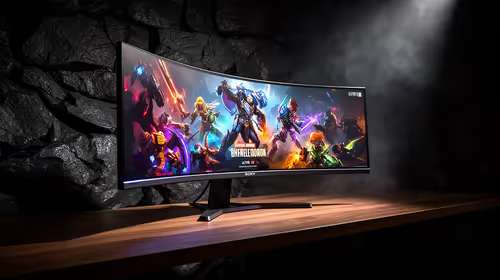
You might also look at immersive curved monitors that wrap the action around you, or even handy portable monitors for LANs or a second screen for your streaming setup. Once you've chosen, don't forget essential monitor accessories like a quality VESA mount to perfect your battle station.
Ready to Banish Screen Tear for Good? The FreeSync vs G-Sync debate comes down to your GPU and your budget. Whether you're Team Red or Team Green, the perfect smooth-gaming display is waiting for you. Explore our massive range of gaming monitors and find the perfect screen to conquer your world.