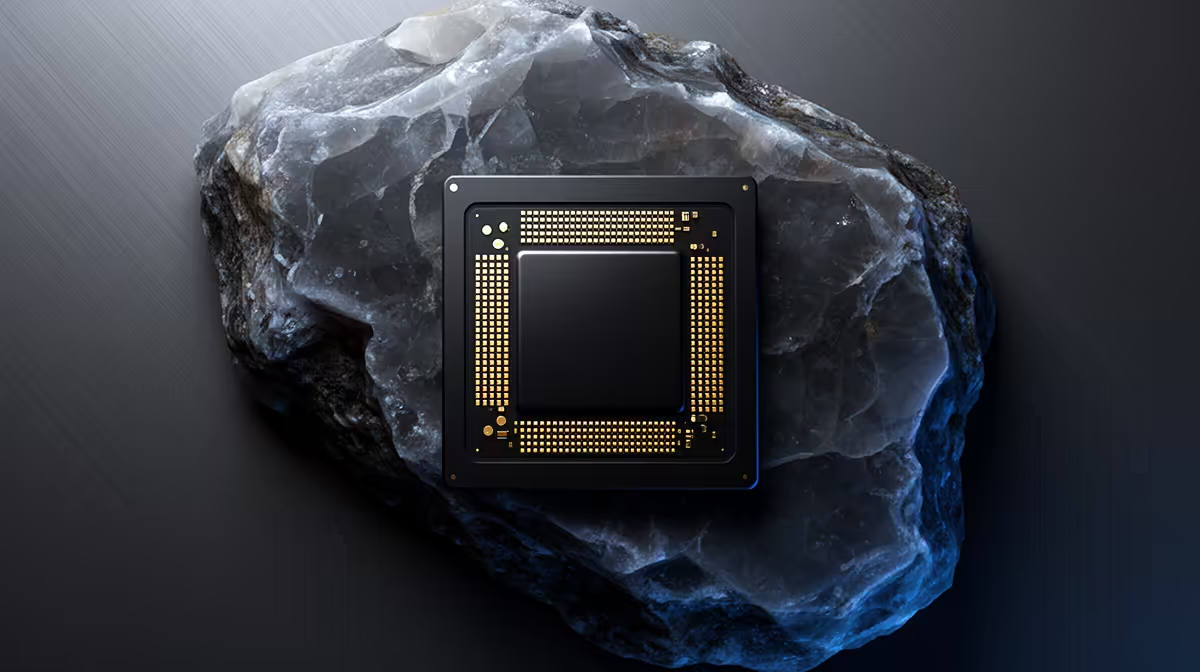
Intel 14th gen compared for 4K gaming
Quick Answer
For 4K gaming the Core i5-14400F at R4,299 is the value pick across the Intel 14th gen range. The Core i7-14700K at R9,999 is the step up for multitasking and content work.
The Intel 14th gen ladder
- Core i5-14400F R4,299, 10 cores.
- Core i5-14600K R6,499, 14 cores.
- Core i7-14700K R9,999, 20 cores.
- Core i9-14900K R13,999, 24 cores.
Choosing for 4K gaming
For 4K gaming, raw core count past 8 rarely adds frames; cache and clocks matter more. The Core i5-14600K at R6,499 is enough for most gamers, while the Core i7-14700K at R9,999 suits anyone who also renders or streams. Factor in cooler and board cost before deciding.
Where the real value sits
Treat the launch price as a starting point, not the floor, since mid-cycle the same part often eases a little once newer stock lands. If you are not in a hurry, watching for a dip over a few weeks can save real money. If you need it now, buy the best current value and do not agonise over a possible future discount that may never come.
FAQ
Which Intel chip is best for 4K gaming?
The Core i5-14600K at R6,499 gives the best balance of price and frames. It has 14 cores for everyday play. Step up only for heavy multitasking.
Is the flagship Core i9-14900K worth it for 4K gaming?
For pure 4K gaming the Core i9-14900K at R13,999 is overkill; the value sits a tier down. Buy it only if you also do production work. Otherwise bank the saving on a better GPU.
How many cores do I need for 4K gaming?
Six to eight modern cores cover 4K gaming well. The Core i5-14600K with 14 cores is plenty. More cores help productivity, not frame rates.
Narrow Intel 14th gen for 4K gaming down to a single buy and verify the exact spec on the product page. Compare the shortlist on the Evetech category page and check stock before you commit.
As a final sanity check, write down your target resolution or use case, your hard budget in rand, and the one spec that matters most to you, then test each shortlisted pick against those three lines. It keeps the decision objective and stops a flashy spec sheet from pulling you off budget.