


Quick Answer
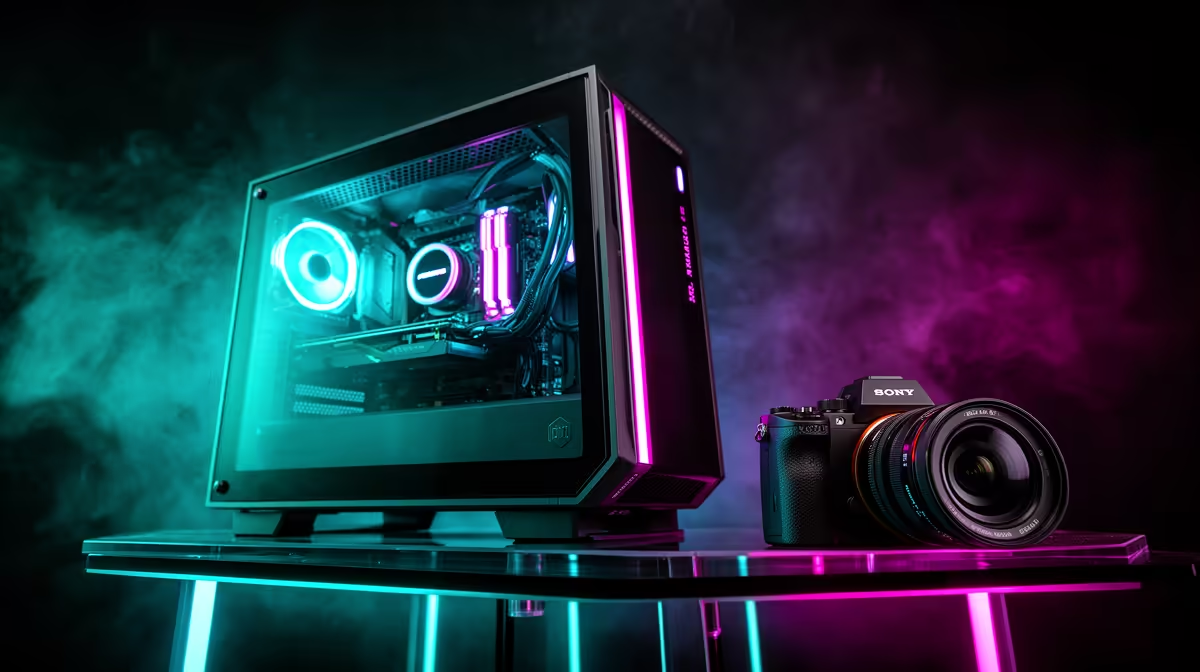
A panoramic PC case wraps two or three sides of the chassis in full-height tempered glass, giving an unobstructed 180 to 270-degree view of the interior. These cases are built for showcase rigs where the visual impact of the hardware is part of the experience, and they pair RGB components with intentional cable management to turn the build into a display piece.
What Makes a Case Truly Panoramic 🔭
A standard windowed case has a single side panel in tempered glass. A panoramic design extends that glass to the front panel and sometimes the top, creating a continuous visual field. The structural framework shifts from solid steel panels to slim aluminium extrusions or steel corner pillars that hold the glass without blocking sightlines. Most panoramic cases use 4mm tempered safety glass on the side and 3mm glass on the front, with magnetic or tool-free latches for quick removal. Prices for genuine panoramic designs start around R2,800 and reach R8,000 for premium aluminium-frame versions stocked locally.
Key Features to Understand Before Buying 💡
Vertical GPU mount support is one of the most important features in a panoramic case. Mounting the GPU vertically rotates the cooler to face the side glass, making it the visual centrepiece of the build. Most panoramic cases include a riser cable slot or bundle a PCIe 4.0 x16 riser cable to enable this. Integrated fan hubs with addressable RGB headers let a single controller synchronise all case fans through one ARGB header, eliminating individual cable clutter. Front-panel I/O on panoramic cases usually includes two USB Type-A ports, one USB 3.2 Gen 2 Type-C port, and a combined audio jack, with ports positioned at the top or bottom edge to preserve the unbroken glass visual.
Thermal Tradeoffs of an All-Glass Design 🌡️
Panoramic cases sacrifice some airflow efficiency for aesthetics. Solid mesh front panels move more air than a glass front panel, and many panoramic designs limit front intake to small side gaps or bottom vents. In South Africa where ambient temps in Gauteng can hit 35 degrees Celsius in summer, this matters. Buyers planning high-TDP builds with an RTX 5080 or above paired with a 9800X3D should choose a panoramic case that still offers a removable front panel or side intake vents. Cases from Lian Li, Corsair, and NZXT stocked at Evetech have largely addressed this with hybrid front panels that provide both glass aesthetics and dedicated intake channels.
Use ARGB Fans Facing the Glass ⚡
For the strongest visual impact in a panoramic case, install ARGB fans so their lit face points toward the glass panel rather than the interior. Intake fans at the front and bottom should face inward with the RGB ring visible through the glass, while exhaust fans at the rear and top can be standard fans since they face away from view.
FAQ
Is tempered glass better than acrylic for a panoramic case?
Tempered glass is scratch-resistant, stays optically clear over time, and handles heat without warping. Acrylic panels are cheaper and lighter but scratch easily and can yellow under prolonged UV exposure. For a long-term showcase build, tempered glass is the better investment.
Can I use a panoramic case with a large tower air cooler?
Yes, but cooler height becomes a visual concern. A 170mm tower cooler like the Thermalright Assassin X 120 R SE fits within standard clearance specs and is fully visible through the side glass, often becoming a visual highlight with a contrasting colour scheme.
How do I keep fingerprints off the glass?
Use a microfibre cloth lightly dampened with isopropyl alcohol at 70% concentration. Avoid paper towels as they scratch glass over time. Cleaning both sides of each panel every two to four weeks keeps the showcase look fresh.
Building a showcase rig? Evetech carries a curated range of panoramic and full-view gaming cases in both black and white finishes, ready to turn your next build into a genuine display piece. Visit Evetech to browse available designs.











