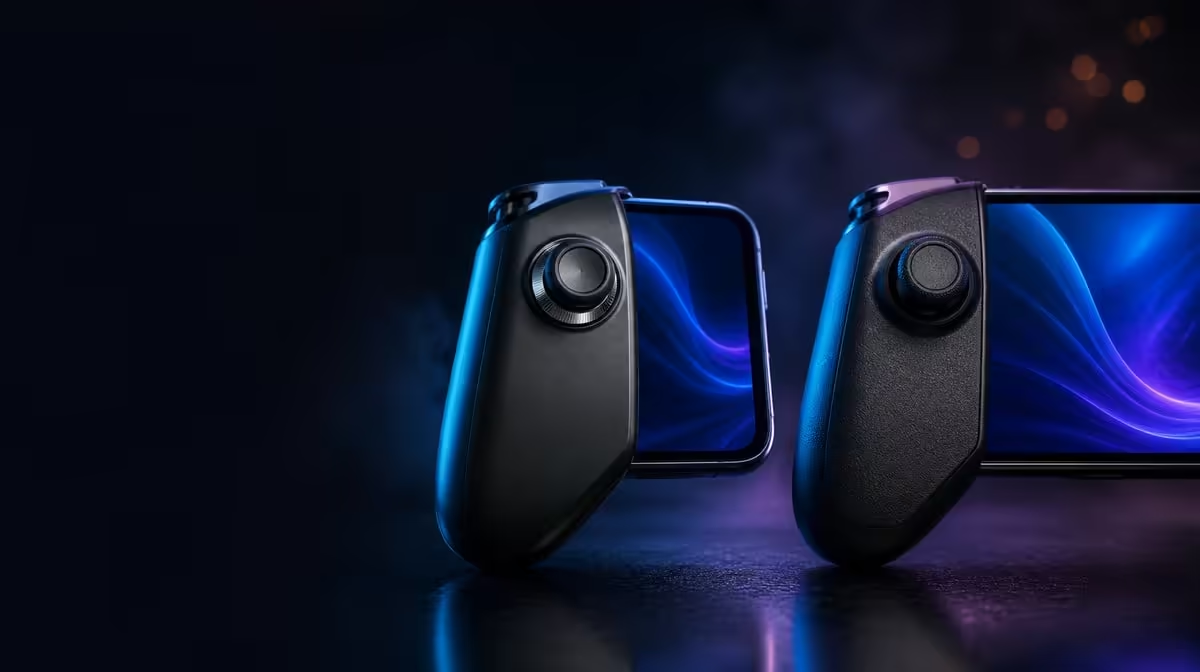
Stick life is less about a label than the part that measures movement. Hall Effect versus analog sticks is fundamentally a comparison between magnetic position sensing and a traditional rubbing contact track. The R1,199 GameSir X3 Pro uses Hall sticks to avoid that particular wear surface, although springs, housings, calibration and player handling still shape long-term accuracy.
Quick Answer
Hall Effect sticks can retain consistent sensing for longer because their position reading does not depend on a potentiometer track wearing under repeated movement. At R1,199, the X3 Pro applies that anti-drift approach, but it cannot make every mechanical part immune to dirt, impact or age.
🧲 Where the sensing methods differ
A conventional analog stick commonly converts movement through a contact-based position mechanism. Thousands of direction changes can wear the track or change the contact, eventually showing up as movement when the stick should be neutral. Hall sensing measures a magnetic field instead, removing that rubbing electrical contact from the measurement.
That distinction targets one recognised path to drift. It does not remove the physical stick cap, return spring, pivot, surrounding plastic or circuit connections. A damaged mechanism can still feel loose or fail to centre even if the magnetic sensor itself has no rubbing track.
The current gaming controller range gives South African buyers a place to compare control layouts alongside sensing terms. Read the whole feature set rather than treating "Hall" as a complete durability score.
🎯 Accuracy is more than drift resistance
A stick can remain centred yet feel wrong because the deadzone is too large, the response curve is unfamiliar or sensitivity is unsuitable for the game. Conversely, a small offset may be hidden by software while the player loses fine movement near neutral. Test raw centre, full circles and slow directional changes before altering a profile.
Traditional sticks can deliver years of accurate use when built well and handled carefully. Hall designs offer a meaningful advantage against contact wear, not a guarantee that every Hall controller outlasts every analog one. The X3 Pro combines its sticks with micro-switch triggers and gyro, which also affect the control experience at R1,199.
🧼 Habits that protect either design
Store the controller where dust cannot settle around the stick bases, avoid pressing the shafts against their outer stops and transport it without heavy objects resting on the caps. Clean only the accessible exterior with power disconnected. These habits protect the mechanical structure shared by both technologies.
Retest neutral input every few weeks if accurate competitive control matters. Use the same test screen and deadzone, because changing both the tool and settings defeats the comparison. Evetech's gaming accessories area can help complete a protective mobile kit, while the popular accessory collection offers a second view of current choices.
Longer life should also be separated from better feel. An analog stick may have a response curve a player knows well, while a Hall design may need sensitivity adjustment before it feels natural. Run the same slow-aim drill on both and keep the deadzone visible in the notes. Preference during the first hour is not the same measure as stability over years.
If a centre offset appears, repeat the check after reconnecting and after restoring the documented calibration. A fault that follows the controller across unchanged conditions deserves attention; one that appears only in a single game profile may be software-specific. This distinction prevents a large deadzone from becoming the default response to every symptom.
The X3 Pro also includes detachable replaceable components. That may contribute to ownership value where the exact supported piece and correct method are known, but it does not alter the stick sensor's basic service-life argument.
Track feel as well as raw readings. A return spring can become looser without creating immediate centre movement, and a worn cap may change thumb control while the sensor remains accurate. Note resistance, noise and smoothness during the same monthly check.
Service life is therefore a system result. Hall sensing removes a meaningful electrical wear point, careful storage protects the mechanical path, and unchanged tests reveal whether either is changing. The R1,199 X3 Pro is strongest when all three ideas are kept together rather than reducing durability to one sensor word.
Frequently Asked Questions
Which wear mechanism does Hall sensing avoid?
It avoids relying on a rubbing potentiometer track to read stick position. Magnetic measurement removes that specific electrical contact point.
Do Hall sticks remain perfect forever?
No. Calibration can change, debris can enter the mechanism and physical parts may be damaged even though the sensor uses magnets.
How should long-term consistency be checked?
Record a neutral-input test and a slow circular sweep under unchanged settings. Repeating those checks makes gradual changes easier to spot.
What does the Hall-equipped X3 Pro cost?
The GameSir X3 Pro is R1,199, combining magnetic sticks with a cooled stretchable mobile layout.
Ready to compare stick technology with the whole controller?
Visit Evetech's controller category and weigh sensing, fit and supported features together before choosing.