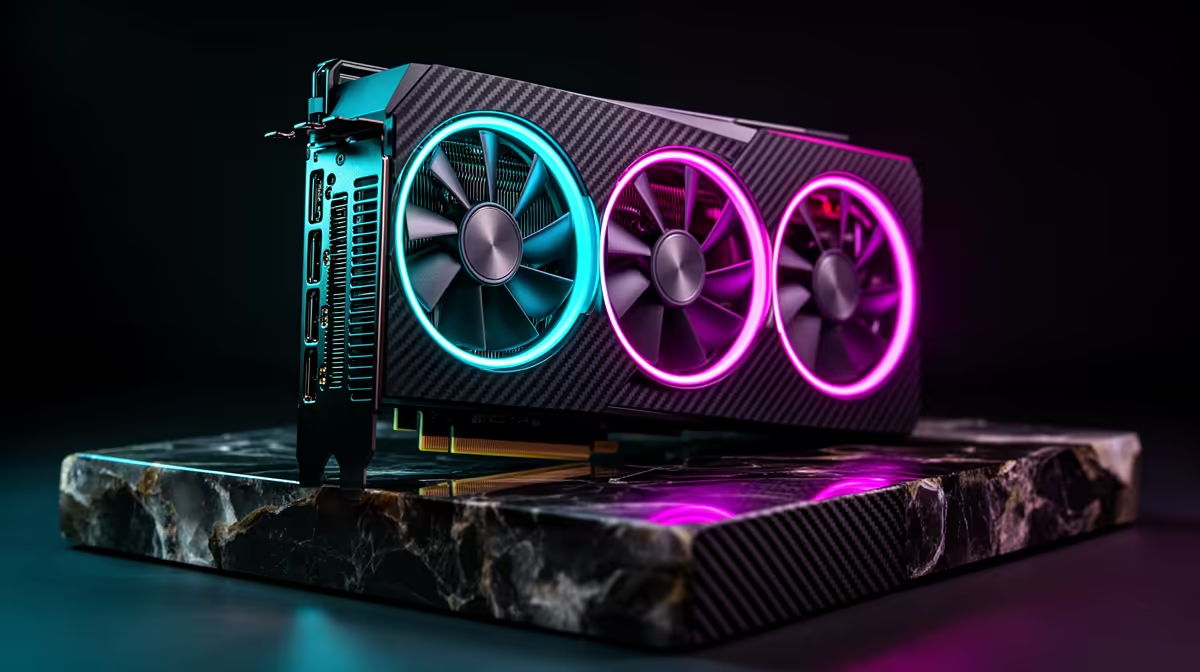
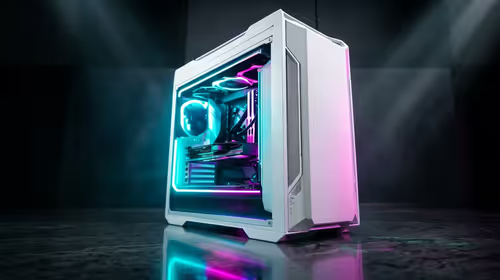
When frame pacing issues creeps into a RTX 5090 build, the smart move is to isolate the cause before spending a cent.
Quick Answer
Start by locking your RTX 5090 build to one test scene, then confirm refresh rate, frame cap, and the latest stable drivers. An RTX 5090 flagship card pushes past R65,000, so a top build can reach R110,000. Measure frame timing before and after each change so the fix is evidence-based.
Check Display Mode And Frame Targets
Confirm the panel is running its rated refresh, that resolution matches your intended target, and that any frame cap is deliberate. Verify VRR is on, choose fullscreen or borderless on purpose, and make sure the RTX 5090 build is not silently falling back to a lower mode. With 4K 144 fps sorted at the source, frame pacing issues often eases before you touch anything else.
Watch Thermals And Power Behaviour
Log temperatures during your scene and confirm the system is on a high-performance power profile, not a battery-saver or eco mode. Heat throttling and conservative power limits make frame timing sag on an otherwise healthy RTX 5090 build. Targeting 575 W board power as a reference keeps your expectations grounded while you tune airflow and limits.
Pin down the limit before you upgrade your RTX 5090 build.
Once your notes show whether frame timing is held back by drivers, display mode, thermals, or load, browse the matching Evetech graphics card shortlist with confidence.
Tune One Setting At A Time
Change a single option, re-run the identical scene, and write down the frame timing result before touching the next one. Bundling changes hides which one helped and which hurt. This disciplined loop turns frame pacing issues on a RTX 5090 build from a guessing game into a short, repeatable diagnosis.
FAQ
Does a RTX 5090 build need a specific power profile to perform?
Yes. Set Windows and any vendor utility to high performance, not eco or balanced, so frame timing is not capped to save energy. Then confirm temperatures stay in range during your test scene.
Should I lower resolution or settings first on a RTX 5090 build?
Test the load pattern first. If the GPU is pinned, drop resolution scale or heavy effects; if the CPU is pinned, settings changes help less. Targeting 32 GB VRAM as a reference keeps tuning realistic.
Will updating drivers actually reduce frame pacing issues?
Often yes, because a clean, current driver fixes scheduling and compatibility quirks behind frame pacing issues. Install the latest stable release, reboot once, and retest the same scene. If a new driver caused it, roll back to the prior version.
Save Time
Lock the in-game preset and resolution first; only then touch one tuning option so you can attribute any gain correctly.