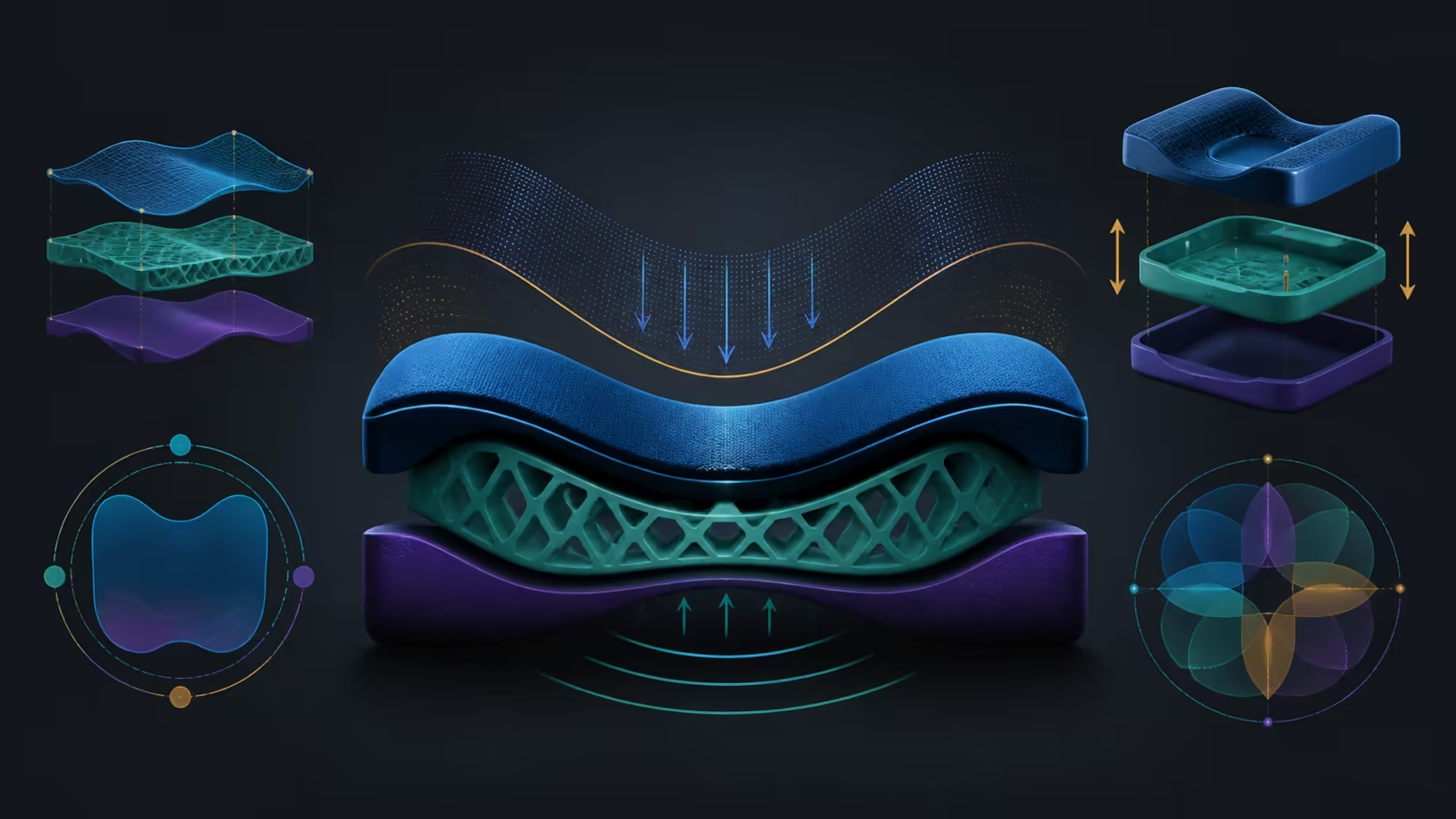
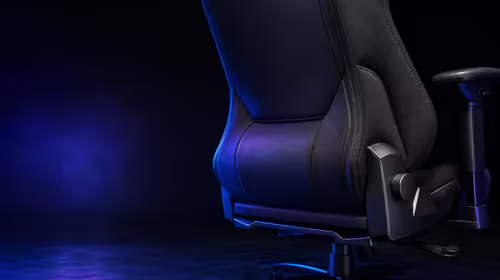
A thicker cushion can change desk height and support contact as much as it changes the feeling under the user. A 10cm high-density foam seat cushion should be assessed as part of the full chair, not added as an isolated comfort fix. The HBADA X7 has a ventilated seat, while a 10cm foam construction belongs to another exact candidate.
Quick Answer
The X7 does not use a 10cm high-density foam cushion; it uses ventilated DuPont Performance Polymers with three fan levels and a 100,000-cycle wear rating.
To reduce seat pressure with a 10cm high-density foam cushion, verify that its firmness, shape and added height suit the user and preserve safe desk alignment. The R14,999 HBADA X7 has a ventilated seat cushion, while 10cm thickness and high-density foam are separate product requirements. Test pressure over time and stop if numbness or pain develops.
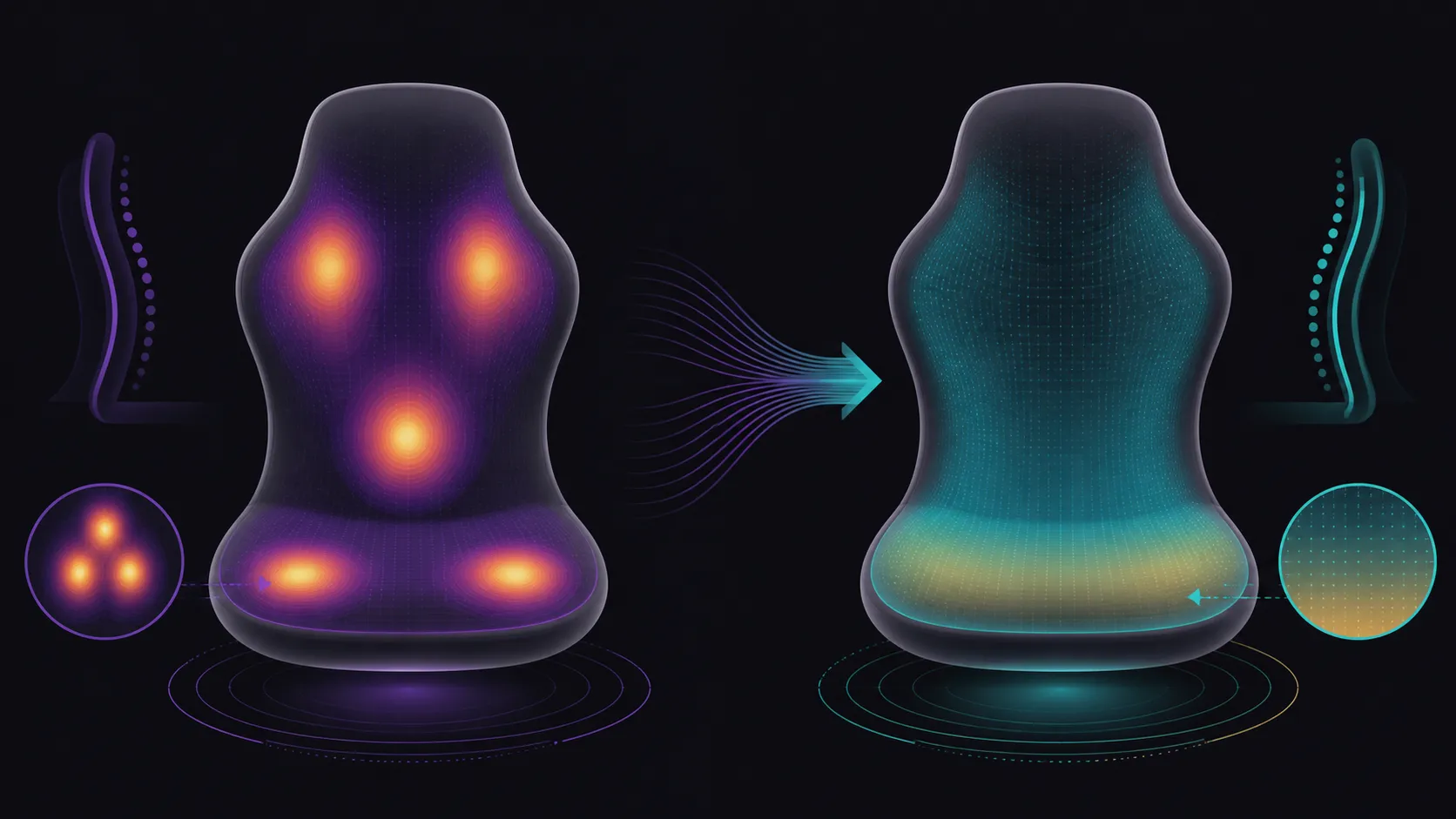
🧭 Predict what extra height changes
Adding cushion thickness raises the user relative to the floor, armrests, desk and lumbar support. Check whether both feet remain supported and whether the front edge presses behind the knees. The correct height may require a different chair or desk adjustment.
Do not assign 10cm foam to the X7. Its seat is ventilated, which can be compared across HBADA office chairs on Evetech without treating airflow as evidence of density, upholstery or internal layers.
🧭 Run a pressure diary instead of a squeeze test
A hand squeeze cannot reproduce body weight, sitting duration or the chair's edge shape. Use a normal work task, note the first pressure point and record how often the user shifts. Stand and move at planned intervals, then repeat under similar conditions.
Density alone does not guarantee pressure relief, and thicker is not automatically better. Shape, firmness and fit determine whether the load feels distributed or concentrated. Persistent numbness, pain or weakness is a reason to stop and obtain appropriate professional guidance.
🧭 Compare with a ventilated design fairly
Keep desk height, task and room conditions stable. Score the foam candidate for pressure and geometry, then score the ventilated seat for airflow and its own comfort. Do not award either one unmeasured properties belonging to the other.
Choose exact comparison models through Evetech's office-chair category. Verify seat measurements, construction and rated capacity where those details affect fit; the X7's massage, heat and automated lumbar features belong in separate rows.
Recheck controls after cushion height changes
A thick foam cushion can place armrests, support and head position lower relative to the body. Test whether the user can still reach every intended control without twisting. If adjustment range is exhausted, the cushion and chair may be an unsuitable combination even when pressure feels improved.
Remove the added cushion and restore the original setup before comparing a ventilated seat. This creates two complete seating systems rather than stacking features. Record foot support, desk reach and pressure for each one under the same task duration.
Do not trim, compress or modify a cushion to force the geometry to work. Select an exact construction that fits the chair and user. If 10cm is a fixed requirement, document why that thickness matters and reject candidates that cannot verify it instead of assigning the number to the X7.
For this chair, reduce seat pressure by setting height and foot support correctly, then choose the lowest useful airflow level and take regular movement breaks. A separate 10cm foam accessory would alter seated height and desk alignment, so it should not be treated as an equivalent X7 feature.
Frequently Asked Questions
Can a thicker cushion alter chair fit?
Yes. It can raise the user's relationship to the floor, desk and lumbar support, so the whole setup needs to be realigned.
Does higher density guarantee less pressure?
No. Density, firmness, shape and body fit interact. A timed sitting assessment is more useful than the label alone.
What cushion feature does the HBADA X7 use?
The X7 seat manages airflow through ventilation. Keep a 10cm high-density foam requirement with another exact candidate.
Is 10cm thickness suitable for every user?
No. Added height and pressure response vary with the user, chair and desk. Verify foot support and seat-edge comfort.
When is professional input appropriate?
Seek suitable advice when pain, numbness or weakness persists or worsens. Do not continue using a cushion that causes concerning symptoms.
How does the R14,999 X7 enter a foam-cushion comparison?
Use it as a ventilated-seat alternative and test airflow, pressure and desk alignment under equal tasks. Do not call its cushion 10cm or high-density foam. Keep automated lumbar, massage and heat outside the seat-construction result. Compare the complete seating geometry.
Preserve the exact foam candidate name beside every pressure observation when the complete seating geometries are compared.
Ready to compare cushion geometry with real sitting pressure?
Explore Evetech office chairs using a timed test, desk alignment and exact seat construction.