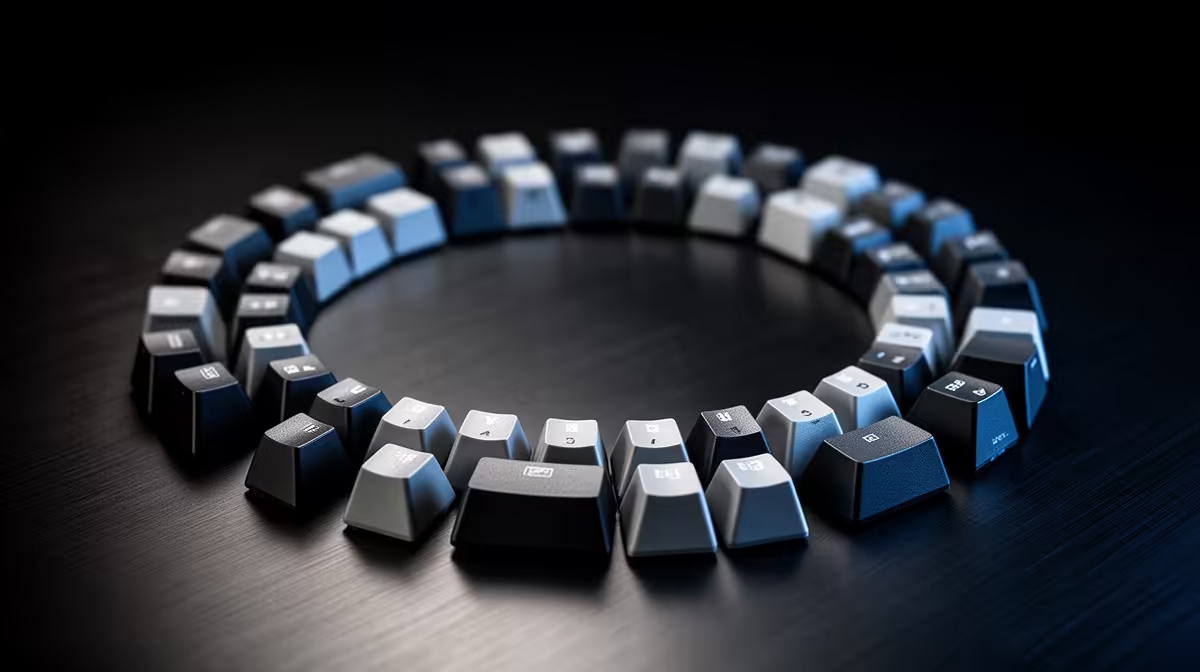
Keycaps change the height, angle and fingertip shape you meet on each row. Understanding keyboard keycap profiles makes OEM, Cherry, XDA and SA easier to compare for comfort, accuracy and switch clearance.
Quick Answer
Keycap profile describes the height, top shape and row-to-row sculpting of a set. OEM is a common medium-height sculpted profile. Cherry is also sculpted and tends to sit lower. XDA uses broad, uniform rows, while SA is known for tall caps and spherical tops, though SA sets can use different row arrangements. Profile changes reach, typing angle, sound and appearance. It does not change a switch's electrical actuation. Check fit with your keyboard, switches and layout before buying caps.
Sculpted and uniform rows feel different
A sculpted set gives each row a different height or angle to form a curve under your fingers. OEM and Cherry follow this idea with different dimensions. Returning to the home row can feel natural once your hands learn the shape.
Uniform profiles use the same shape across rows. XDA is a familiar example. Keys can move between rows without a profile mismatch, which helps unusual layouts, but the broad flat tops feel less guided to some typists.
OEM and Cherry are close, not identical
OEM is common on complete mechanical keyboards and stands taller than many Cherry-profile sets. Cherry profile lowers the overall height and uses its own row sculpting.
Exact dimensions vary between makers, and labels are not a substitute for a diagram. North-facing switch housings can interfere with some Cherry-profile keycaps on some switch designs, changing the sound or bottom-out feel. Check the board and switch combination.
XDA and SA sit at opposite visual ends
XDA has large, shallow dishes and a uniform height. It offers a clean grid and can make rearranged layouts easier. The wide top may feel less precise if you are used to narrow sculpted caps.
SA is tall with deep spherical dishes and a strong retro look. Height can increase wrist extension on a tall case, so try it with your normal chair, desk and wrist position. Some SA kits use sculpted rows and others use a uniform arrangement.
Compatibility goes beyond the stem
Many mechanical caps use a cross-shaped MX-style stem, but that does not guarantee a complete fit. Check spacebar length, Shift sizes, Enter shape and the bottom row. Low-profile and proprietary switches may need their own caps.
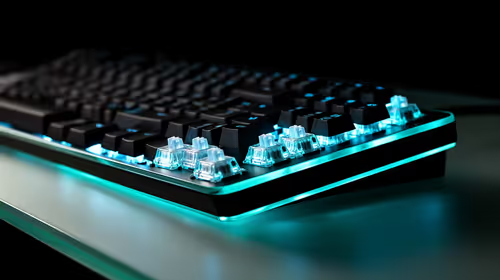
Backlighting matters too. Opaque legends, shine-through legends and side printing produce different results. Thick caps can change sound, while material and internal shape add their own effect.
Compare gaming keyboard deals to see complete boards and their stated profiles. The keyboard best sellers help you compare current layouts.
FAQ
Is Cherry profile flat?
No. It is a lower sculpted profile with different shapes across its rows.
Can XDA caps move between rows?
Their uniform shape allows it, provided each key size and legend still suit the new position.
Do taller keycaps make a keyboard slower?
They do not alter electrical actuation. Height can change finger movement, comfort and how the keystroke feels.
Compare keyboard profiles by row shape, wrist comfort and compatibility with your exact layout.