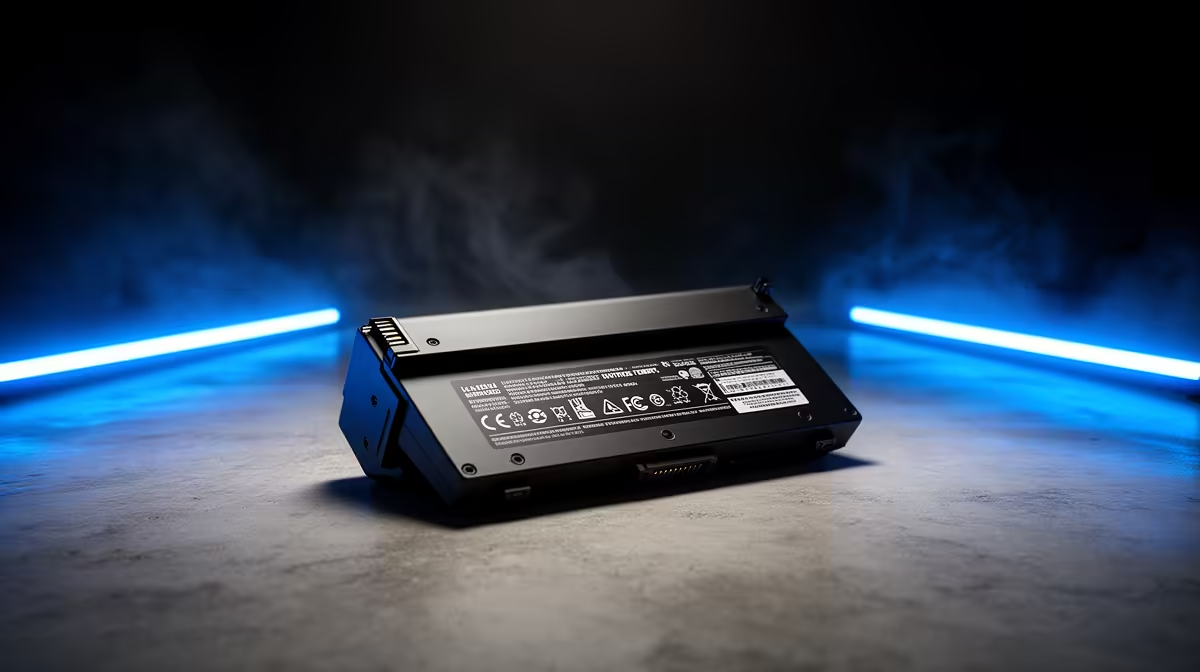
Lithium batteries turn an ordinary accessory parcel into regulated dangerous-goods transport. Importing battery-powered gaming gear needs carrier acceptance, correct declarations and current air or postal rules before the seller dispatches it.
Quick Answer
Gaming accessories with lithium cells can face stricter packing, labelling and transport conditions, especially by air. A small built-in cell in a mouse, controller or headset still needs to be declared correctly. The effect on delivery depends on the battery, whether it is installed or loose, the carrier and the route. Ask the seller for battery details and approved shipping method before dispatch.
Compare the item with a named alternative in Evetech's current best-seller selection. A full-system buyer can check the popular gaming PC range for a domestic reference. Local fulfilment avoids an international air leg, though normal delivery terms still apply.
Identify the battery before checkout
Ask whether the cell is lithium-ion or lithium-metal, installed in equipment, packed with it or shipped alone. Get the battery rating, number of cells and model-specific transport information. A product photo showing a USB cable does not tell you enough.
Laptops, wireless peripherals, handhelds and portable power products can follow different carrier rules. One allowed mouse does not prove that a spare battery or power bank can travel in the same parcel.
Do not hide the cell
Never ask the sender to declare a battery-powered product as an unpowered accessory. Correct descriptions allow the carrier to use the right packaging and handling. A false declaration can delay, return or expose the shipment to further action.
Check whether the seller uses the postal system, express air carrier, road route or a combination. Ask if the parcel needs a dangerous-goods service and whether your South African postcode is covered. Get any added handling and delivery estimate in writing.
Transport rules are international as well as route-specific. Current carrier terms and aviation or postal guidance are the authority; this article cannot give one delay estimate for every battery product.
Inspect on arrival
Do not use a device with a swollen battery, split case, chemical smell, excessive heat or obvious impact damage. Keep it away from flammable material, follow the maker's safety instructions and contact the authorised claim route. Do not puncture, compress or post a damaged cell back without approved handling.
Photograph the unopened carton if it is crushed or wet. Save the battery declaration, tracking and delivery condition in case the carrier needs to investigate.
Plan returns before purchase. A carrier that accepts a new battery product may refuse a damaged or swollen one on the way back. Ask the seller how a fault is assessed from South Africa and who arranges any compliant return. Never place a suspect battery into ordinary post because an automated return label was generated.
FAQ
Does a tiny mouse battery count?
It can still fall within lithium transport requirements. The exact treatment depends on the cell and how it is packed.
Can the seller declare it differently to avoid delay?
No. The declaration must describe the real product and battery. Use a carrier service that accepts it.
How many days will battery handling add?
There is no reliable universal number. Ask the carrier for the named product, origin, service and destination.
Get the exact battery specification, confirm an approved carrier route, and reject any plan that depends on disguising the cell.