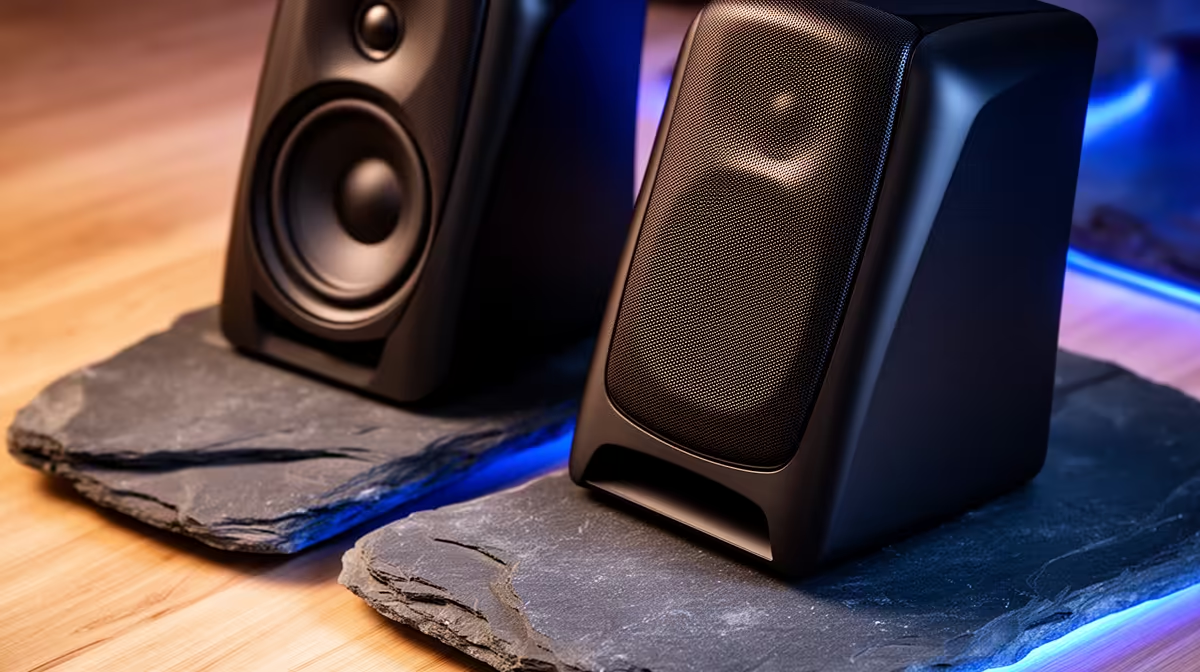
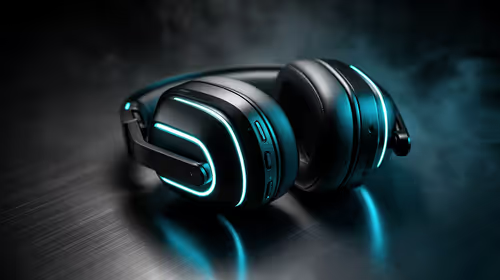
Bookshelf speakers are worthwhile for casual Valorant sessions or shared viewing, but competitive players often need the isolation and positional detail of a headset. Room reflections, household noise and microphone echo can obscure footsteps and communication. Choose speakers for a broader listening role rather than a competitive advantage.
Compare verified speaker options
The verified Logitech Z407 costs R1,404. Verify the available inputs, volume controls and placement options against the actual gaming room. Play a practice range, busy match replay and voice chat at normal volume. Position both speakers securely and at similar distances from the player. Check whether the game output remains stereo and whether the microphone captures speaker audio.
Keep competitive communication clear
Use a headset during ranked or team practice when open speakers create echo or disturb others. Set voice-chat input and game playback independently. Keep speaker cables away from chair wheels and use a reasonable volume in shared housing. A larger system can improve music and films, while the match test decides whether it helps play. Choose speakers when their whole-room value justifies them outside competitive sessions.
Record thirty seconds of team chat with the speakers active to reveal echo before the first live match.
Play a competitive round with voice chat active and listen for positional masking, because enjoyable music tuning can obscure footsteps or teammate instructions.
Choosing Valorant audio? > Compare Evetech speakers and headsets by positional detail, microphone isolation and room use.