Quick Answer
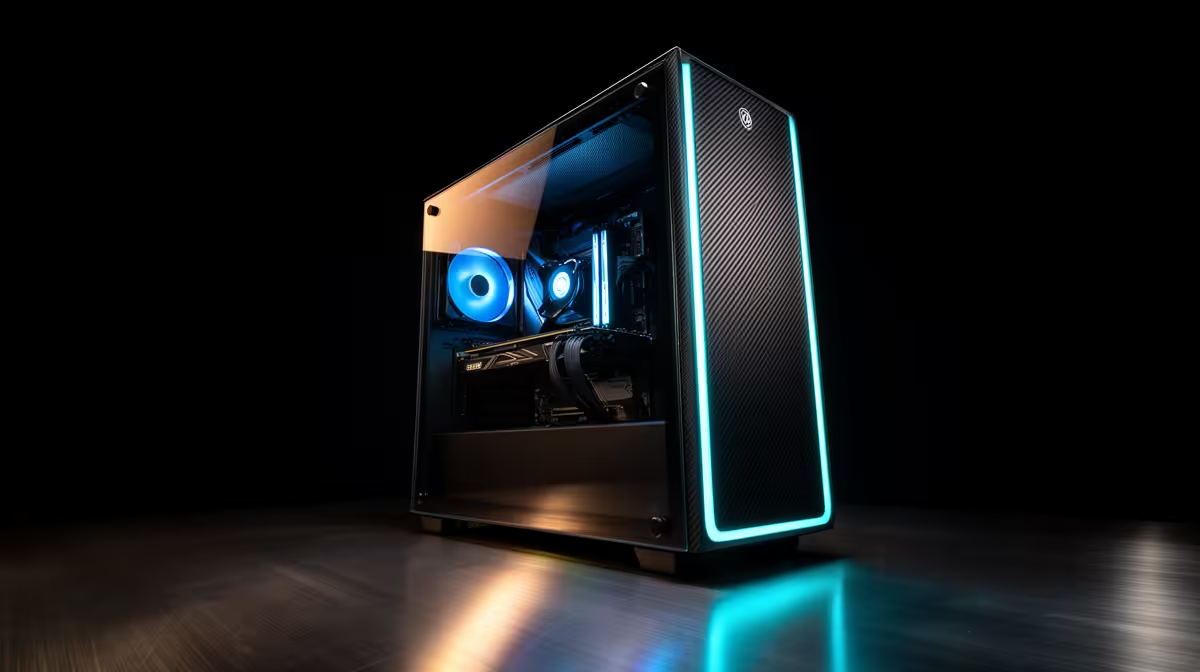
Tempered glass PC cases use safety glass side panels to showcase internal components while maintaining the same airflow as equivalent solid-panel cases, provided the front and top panels remain mesh or perforated. The glass provides no structural strength benefit over steel, but it is impact-resistant enough for normal use and protects internal components from dust and accidental contact just as effectively.
How Tempered Glass Is Made and Why It Is Used 🔬
Tempered glass is produced by heating standard glass to above 600 degrees Celsius, then rapidly cooling the surface. This compressive process increases impact resistance by four to five times and causes the glass to shatter into small blunt granules rather than sharp shards. PC case panels use 3mm to 4mm tempered glass, thick enough to resist flexing during handling. The transparency of clear tempered glass passes 90% or more of light, making ARGB fans, GPU lighting, RAM bars, and AIO block effects fully visible from outside. Tinted or smoked variants reduce transmitted light by 30% to 50%, creating a subdued aesthetic that suits setups where RGB intensity is considered excessive.
Airflow: Where Tempered Glass Helps and Hurts 🔧
A tempered glass side panel contributes zero airflow because it is solid. Standard airflow runs: cool air enters through front mesh or bottom vents, passes over components, and exits via rear and top exhausts. The side is irrelevant to this path. Where tempered glass creates a problem is when manufacturers replace the front bezel with glass for aesthetics while relying on side vents for intake. This restricts the intake area dramatically. Always confirm the front panel is mesh or perforated on a tempered glass case, especially for builds with RTX 5070 and above that exhaust 300W or more.
Build Protection and Durability in South Africa 💡
Tempered glass panels protect internal components from dust by sealing the side entry point. In SA conditions, particularly in drier inland areas like Pretoria or the Northern Cape, airborne dust is a significant factor in long-term component reliability. A sealed glass panel reduces lateral dust ingress, though front-mounted mesh panels still require regular filter cleaning. Practically, a glass side panel survives typical transport and minor bumps without issue. Panel replacement costs R150 to R400 for most mid-tower case models and panels are often sold separately by local retailers including Evetech.
Transport Tip for Glass Cases ⚡
When moving a tempered glass PC, remove the glass panel and wrap it separately in bubble wrap or a blanket. The panel is most vulnerable during transport when the case shifts in a vehicle. Most glass cases use thumbscrews or hinged latches for easy removal without tools, taking under 60 seconds.
FAQ
Can tempered glass side panels be replaced if cracked?
Yes. Replacement panels are available for most mainstream case brands. Standard sizes across brands sometimes overlap, so verify the panel dimensions and mounting hole pattern before ordering a replacement through local suppliers.
Do tempered glass cases weigh significantly more than steel cases?
Yes. A 4mm glass panel for a mid-tower adds approximately 1.5kg to 2.5kg over the equivalent steel panel. Total empty case weight for a tempered glass mid-tower runs between 7kg and 12kg, relevant if the case needs to be moved regularly.
Is tempered glass on the front panel as practical as on the side?
No. Front tempered glass panels block the large mesh area needed for effective GPU intake, reducing airflow significantly. Front glass panels are decorative choices that require careful fan curve management to compensate.
Want to showcase your RGB build with a quality glass case? Browse Evetech's tempered glass PC case range with options from entry-level mid-towers to premium ARGB-equipped models, all with local warranty.